What Is Glycemic Index? Low vs High GI Food List & Meal Plan
If you are trying to eat good carbs or avoid bad carbs, you’ve probably come across Glycemic Index (GI). While it sounds like something you’d hear in a medical drama like House, it’s actually simple. Let’s break it down.
What Is the Glycemic Index?
Glycemic Index (GI) measures how quickly foods with carbs raise your sugar levels. Two foods with the same amount of carbs can have different GI values. The smaller the GI number, the less the food raises your blood sugar.
GI runs from 0 to 100. Glucose has a GI of 100; we compare everything else to that. Also, carbs can be categorized according to their GI, which can be low, medium, or high:
Low GI = 1 to 55
Medium GI = 56 to 69
High GI = 70 to 100
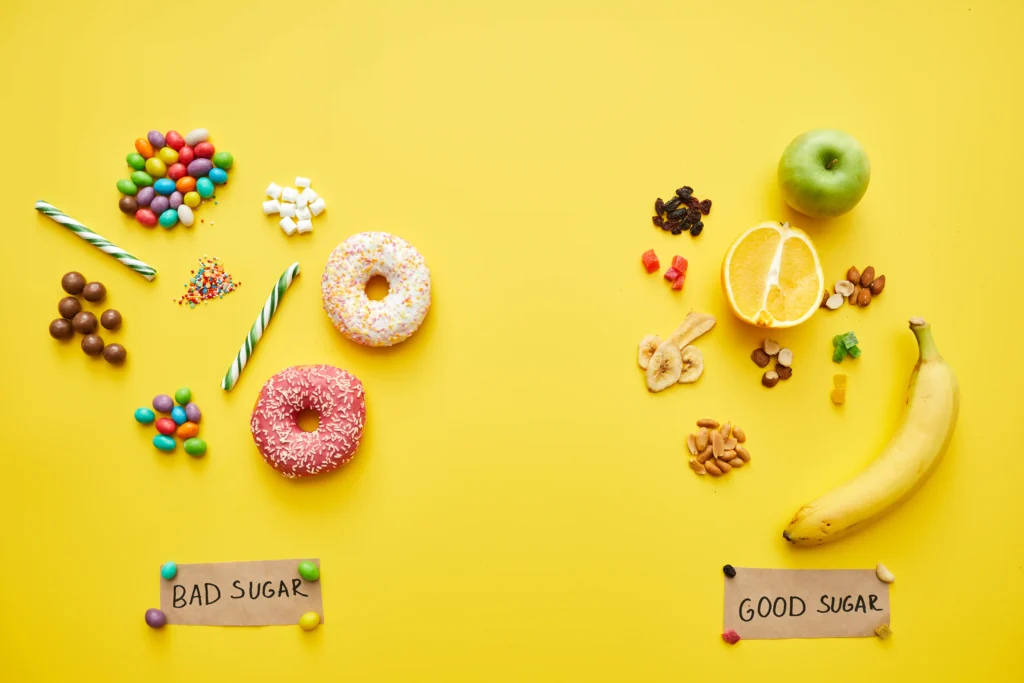
Some carbs spike your blood sugar faster than others because they are simple carbs, meaning they digest easily and change to glucose. However, foods like starchy vegetables and whole grains (good/complex/heathy carbs) digest slowly, giving you prolonged energy/glucose.
Why You Should Care about the Glycemic Index
One, your blood sugar controls your cravings. Then how much you eat. Your weight, and so on.
Second, studies show that high-GI foods are linked to obesity, type 2 diabetes, and even heart disease. On the other hand, low-GI foods keep you full longer, with fewer sugar crashes and more stable moods.
What Is Glycemic Load
Glycemic Load measures how much a specific carbohydrate will raise your blood sugar based on its quality (GI) and quantity (grams of carbs)in a typical serving.
Glycemic Load = GI × Carb content (in grams) per serving ÷ 100
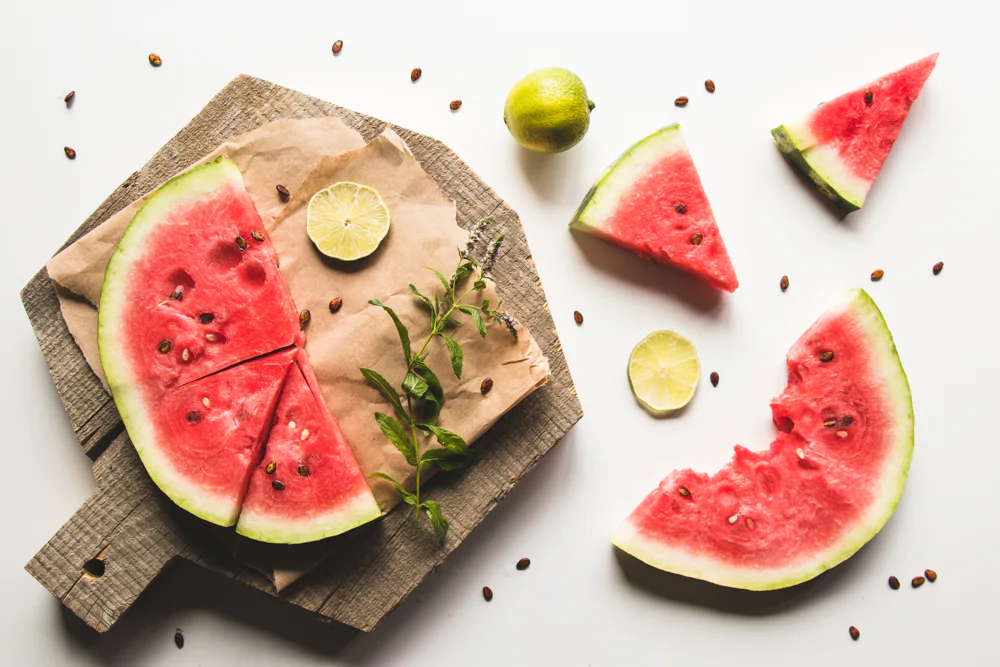
For example, a watermelon has a high GI of 72, but it’s mostly water and low in carbs, so the GL is just 4 for a typical serving. However, a baguette has a high GI of 95 and a lot of carbs, so the GL too is high, about 30+.
GL Classification:
Low GL: 0–10, blood sugar-friendly
Medium GL: 11–19, moderate impact
High GL: 20+, high blood sugar impact
Why Glycemic Load Matters
Glycemic load matters because using GI alone can be misleading. A food with a high GI can be harmless in small servings. GL puts GI in context.
Also, studies show that diets with a low glycemic load are associated with a lower risk of type 2 diabetes, reduced inflammation, improved weight management, and better cholesterol levels.
Low vs. High GI Foods: A Complete Food List
Low GI Foods
1. Vegetables:
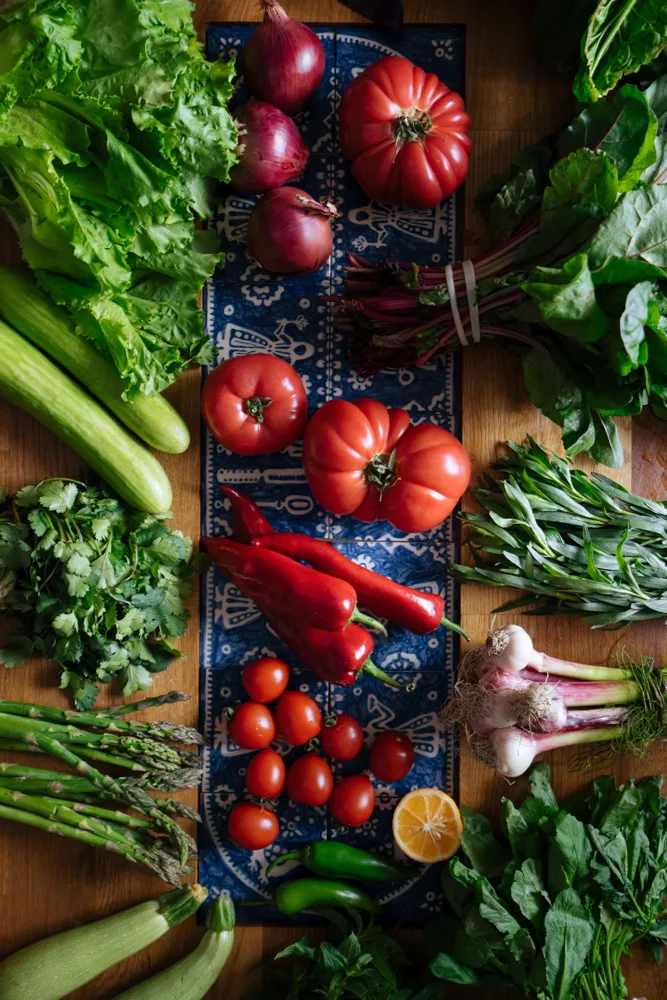
- Broccoli: 10
- Carrots (raw): 16
- Spinach: 15
- Zucchini: 15
- Sweet potato (boiled): 44
2. Fruits:
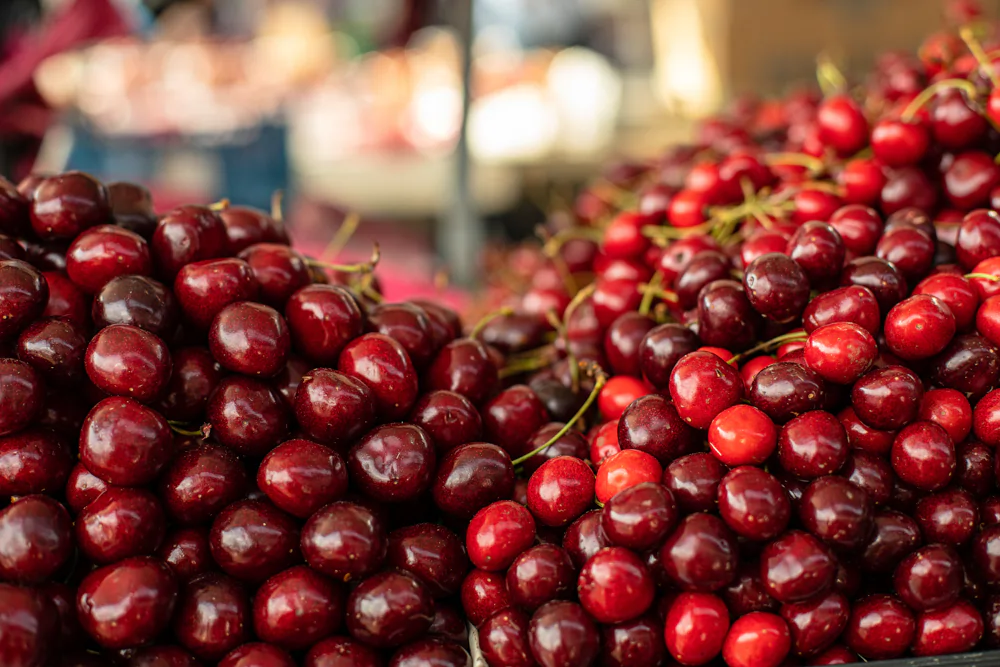
- Cherries: 22
- Grapefruit: 25
- Apples: 36
- Oranges: 40
- Pears: 38
- Plums: 40
- Berries (blueberries, strawberries): 25–40
3. Whole Grains & Legumes:
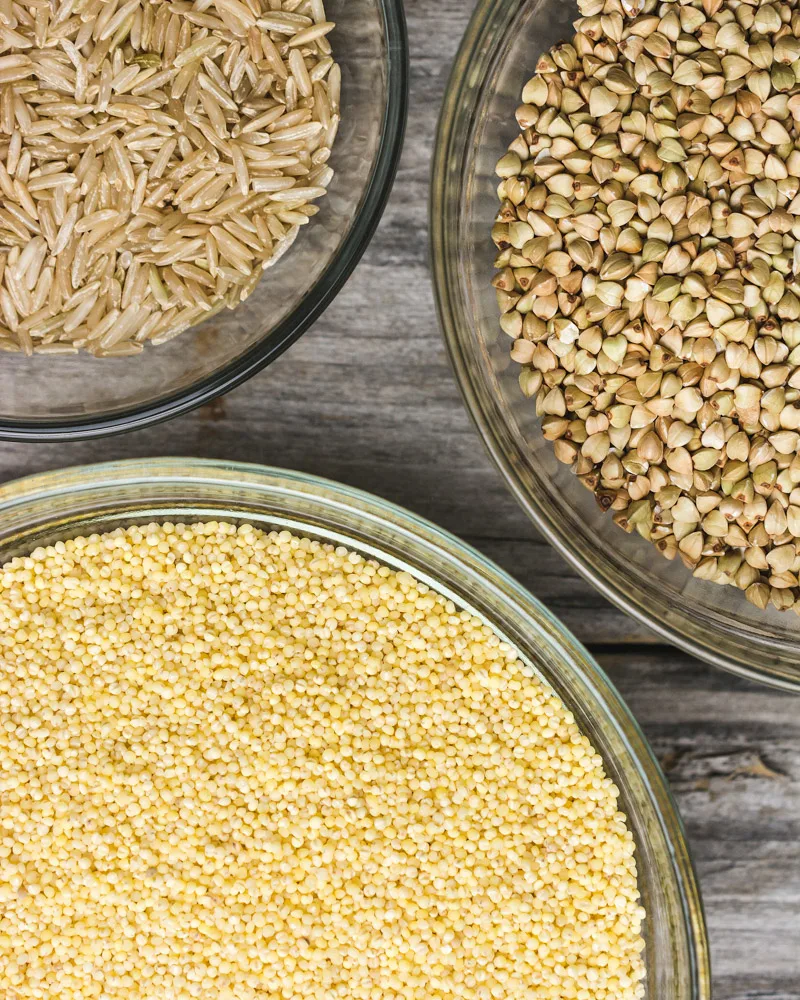
- Steel-cut oats: 42
- Quinoa: 53
- Barley: 28
- Lentils: 32
- Chickpeas: 33
- Black beans: 30
4. Breads & Pasta:
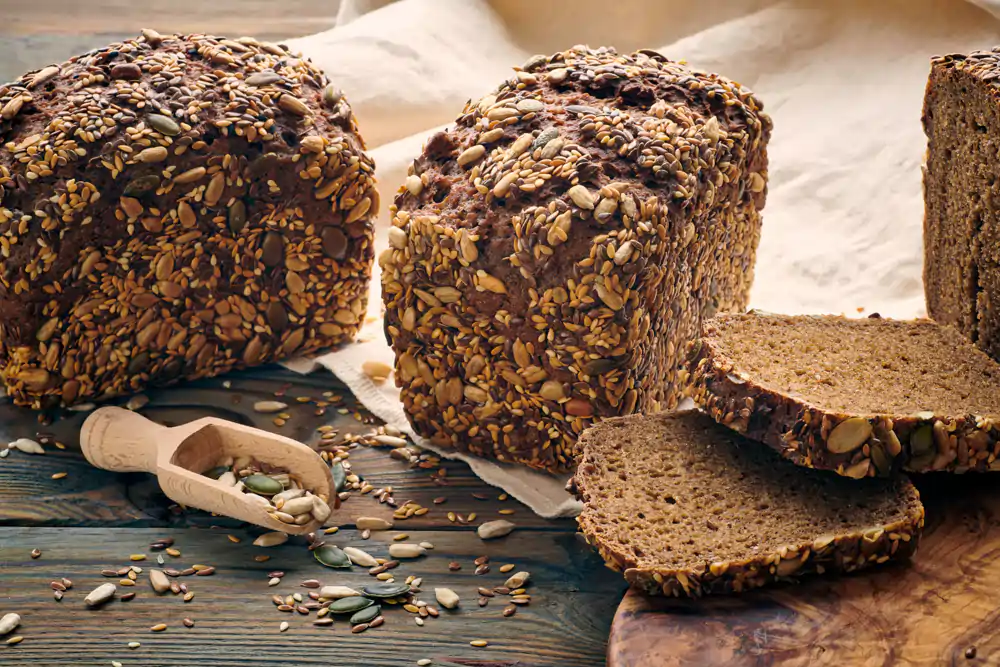
- Sourdough bread: 53
- Pasta (al dente): 40–50
- Whole grain pita: 51
- Sprouted grain bread: 45
5. Nuts & Dairy:
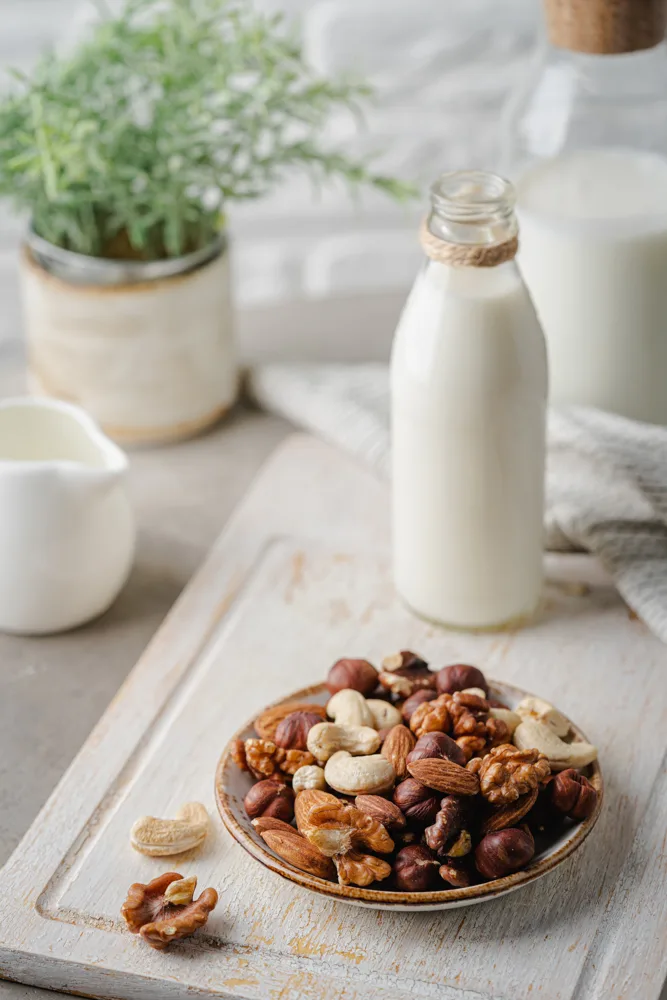
- Unsweetened almond milk: 25
- Greek yogurt (plain, low-fat): 33
- Milk: 30–34
- Peanuts: 13
- Walnuts: 15
High GI Foods (70+)
These are the “handle with care” foods. Not bad; just limit your consumption.
1. Refined Grains & Processed Carbs:
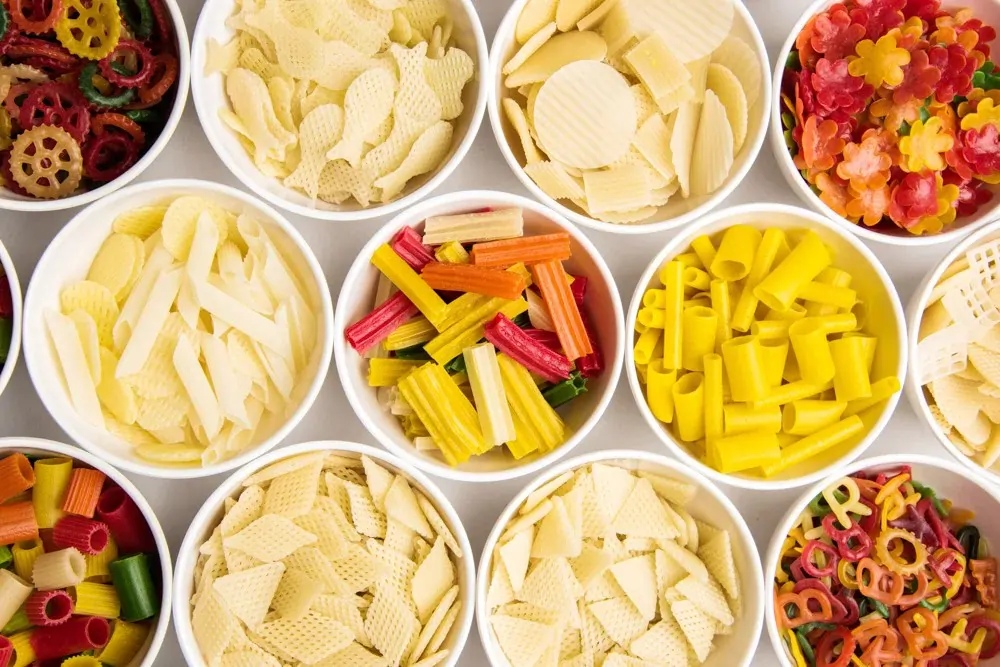
- White bread: 75
- White rice (jasmine): 89
- Instant oatmeal: 79
- Rice cakes: 82
- Cornflakes: 81
- Pretzels: 83
2. Sweets & Snacks:
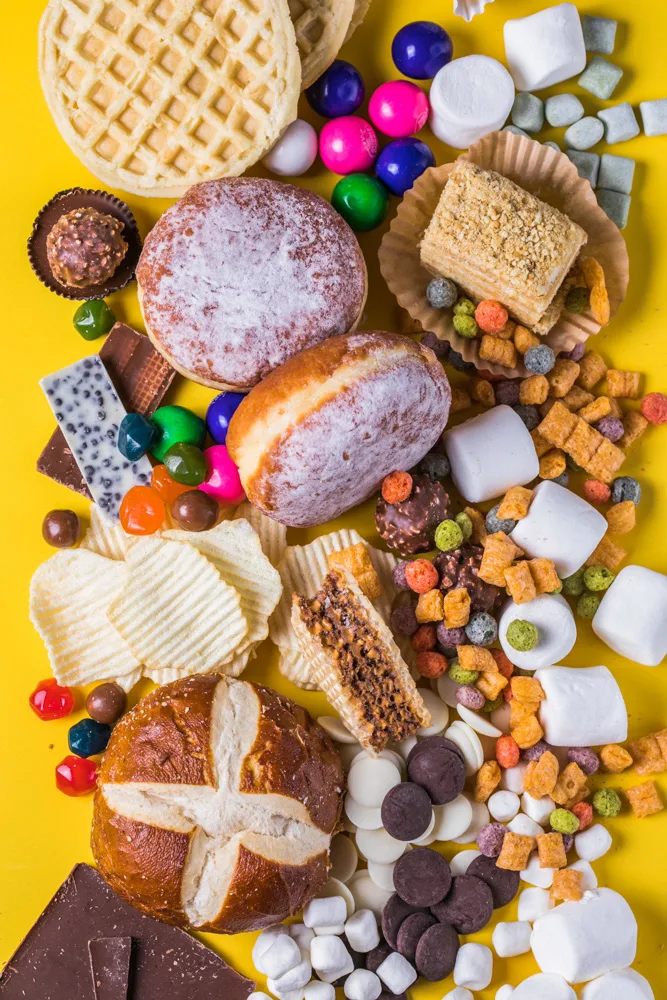
- Donuts: 76
- Glazed pastries: 75+
- Candy (gummy bears, jelly beans): 80+
- Regular soda: 63 (GI is high, but also liquid = fast absorption)
- Ice cream (low-fat): 62–87 (more sugar = higher GI)
3. Starches:
- Baked white potatoes: 85–111
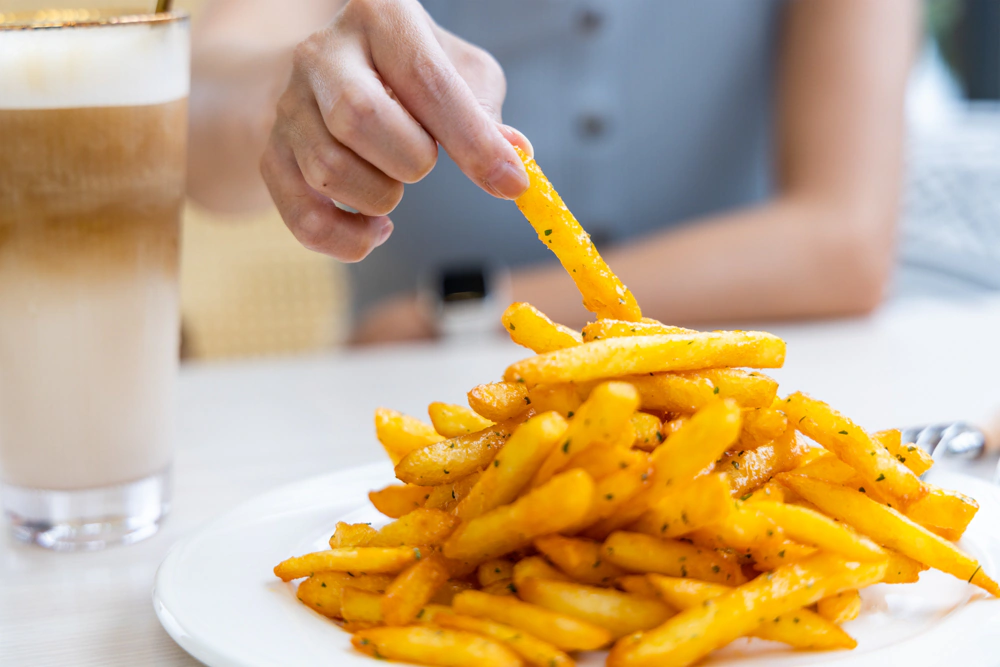
- French fries: 75
- Mashed potatoes (instant): 86
- Pumpkin (cooked): 75
Why Blood Sugar Management Should Be a Priority
Chances are that if you feel hungry, overdue for a snack, or just on an emotional rollercoaster by 3 PM, it might be about your blood sugar.
Blood sugar management isn’t just for people with diabetes. It’s for everyone. It affects your energy, mood, weight, brain power, and long-term health.
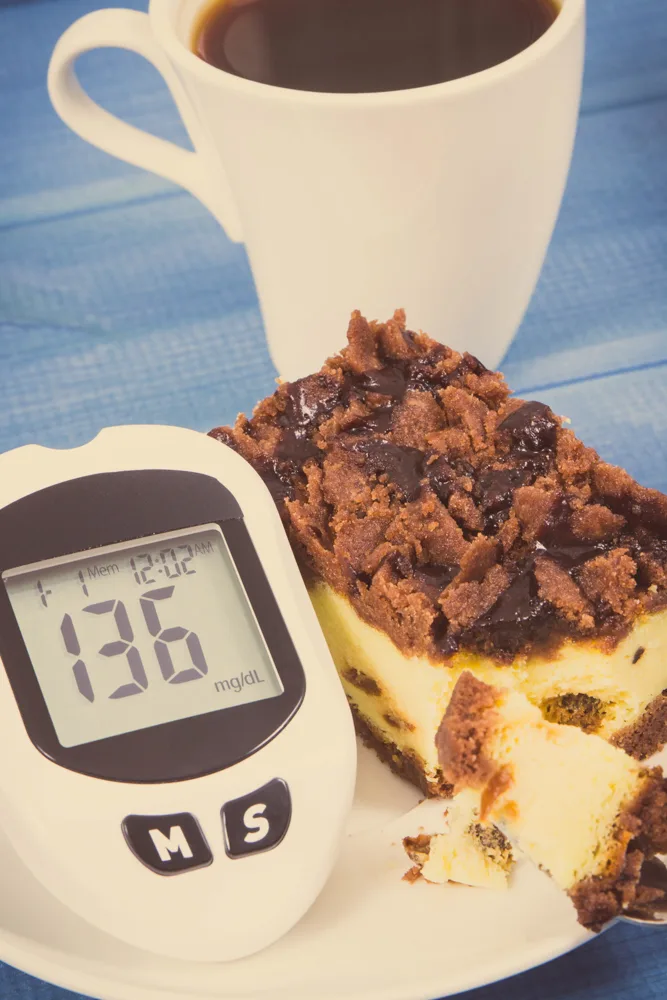
When your blood sugar is high, your body stores fat and inflames your system. And when it’s low, you feel cravings, moody, tired, and sometimes even dizzy.
Tip: You want that slow sugar release from complex carbs without spikes and crashes.
Long-term blood sugar instability leads to type 2 diabetes, obesity, heart disease, cognitive decline (like Alzheimer’s), hormonal imbalances, acne, fatigue, poor sleep, and anxiety.
In the US, 88 million adults have prediabetes, and 84% don’t even know it, according to the CDC.
Stabilizing your blood sugar is a simple way to improve your energy, moods, cravings, thinking, weight management, and reduce the risk of chronic illnesses.
What Affects the Glycemic Index of a Food
It’s not just about which food you eat. What has been done to it also affects how much it spikes your blood sugar!
What Affects the GI of Food?
1. Processing level
Processed and grinded foods have a higher GI.
For example, whole grains have slower digestion and lower GI. Contrastingly, instant oats or white bread digest faster, causing sugar spikes. Steel-cut oats have a GI of about 55, while instant oats can hit 83+!
2. Cooking
This happens in two ways:
Cooking foods for longer periods makes them digest faster. Overcooked food releases glucose faster.
Al dente (cooked until it’s tender but still firm when bitten) pasta has a lower GI (38) than soft-boiled mush (GI=64).
Tip: To lower the GI of foods (e.g. rice), cook it, chill it, then reheat it. Cooling forms resistant starch, which slows absorption!
Another way cooking affects GI is whether you boil or fry:
Boiling usually preserves more resistant starch, especially if you don’t overcook food. Although frying foods increases fat (which can lower the glycemic response), it usually removes water from food and adds refined oils with no nutrients. It also increases the calorie density, which affects insulin sensitivity over time.
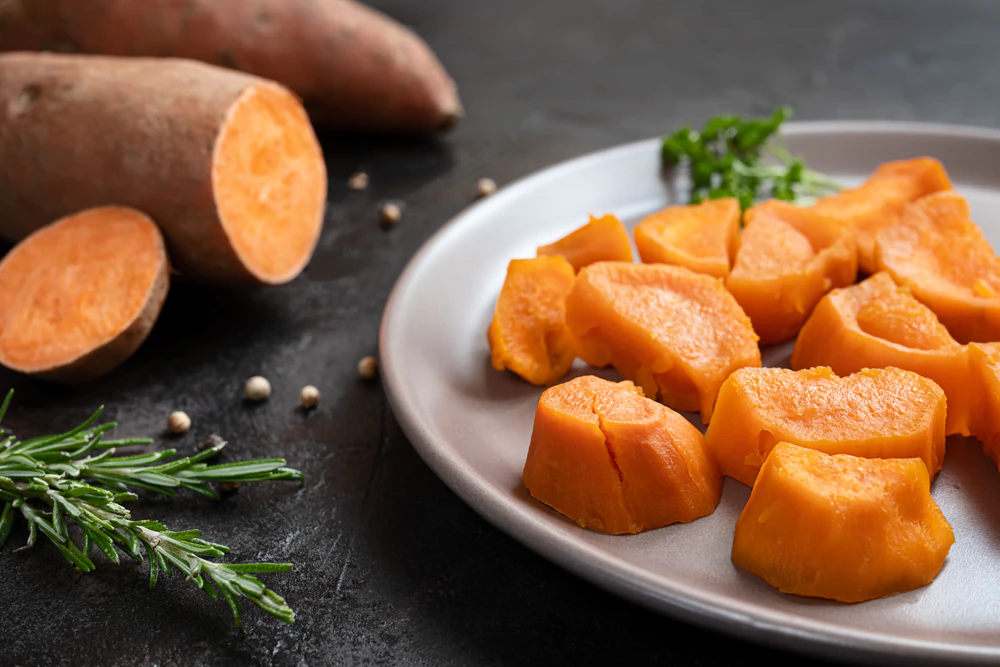
For example, boiled sweet potatoes have a lower GI (44–61) than roasted or baked ones (94)! Similarly, French fries have a GI of 75, versus a boiled potato at 50–60.
Hidden High GI Food Surprises:
Watermelon GI: 76 High GI but low GL due to water content. Moderation is key!
Parsnips GI: 97 Who knew this innocent veggie was packing sugar heat?
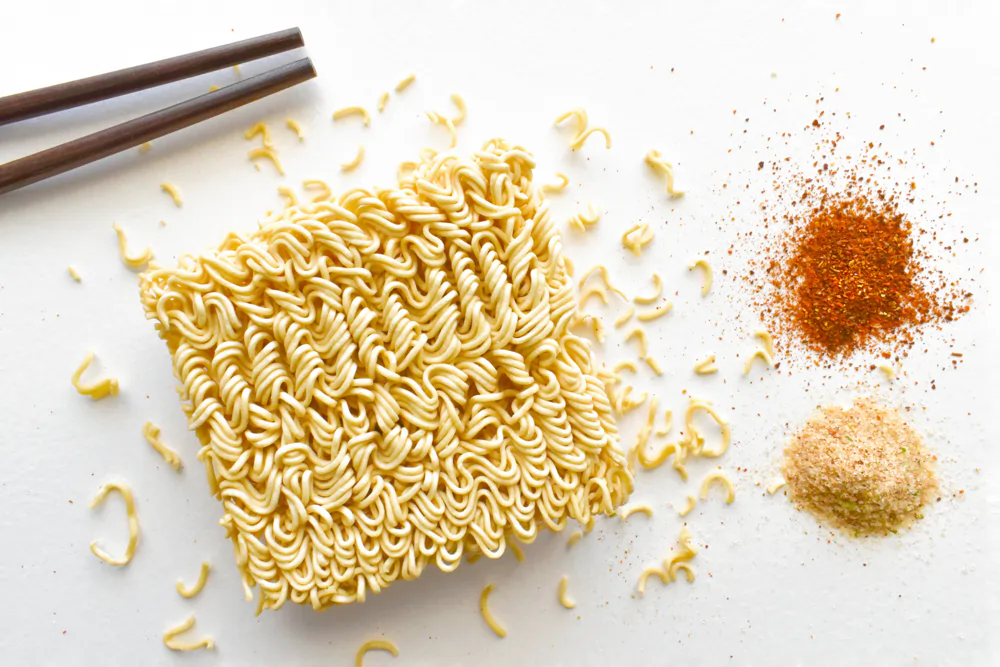
Instant noodles GI: 73 Processed and quick-digesting. Not good for your gut.
Glycemic Index For Women, Men, Fitness, and Health
Now that you know the basics of GI, how can you apply it to your body, goals, and lifestyle?
How Glycemic Index Affects Women
Hormone Sensitivity:
Women’s hormones influence insulin sensitivity, especially during the menstrual cycle, pregnancy, and menopause. Women are more insulin resistant during the luteal phase (post-ovulation), making low-GI choices more critical.
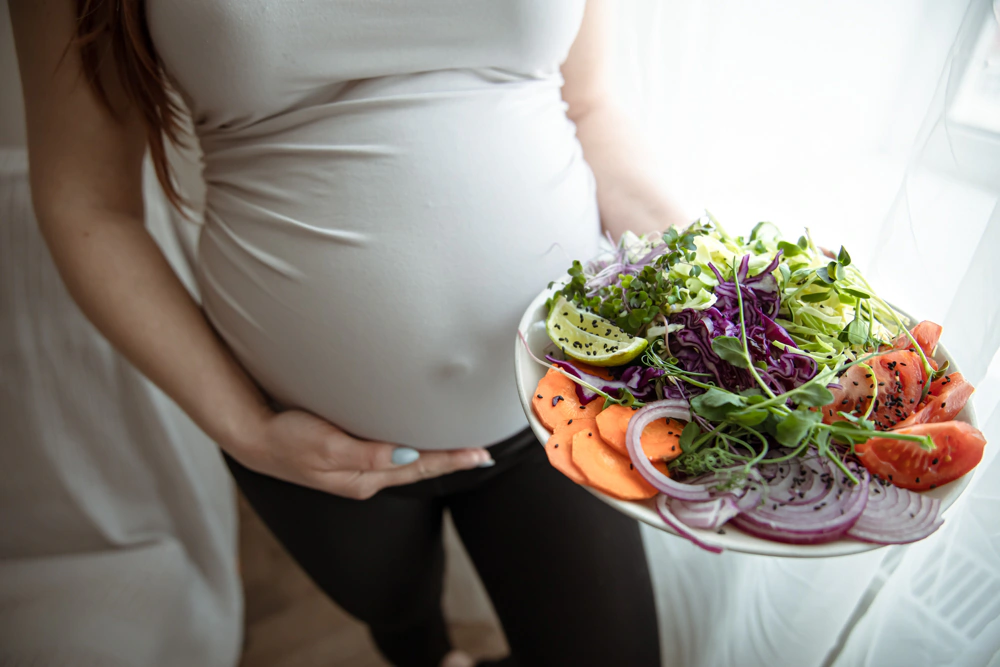
For women with PCOS, a low-GI diet can help improve insulin sensitivity and balance hormones naturally. Studies show that low-GI diets are more effective for weight loss and hormonal balance in women with PCOS compared to other diets.
Mood & Energy:
High GI foods lead to quick energy crashes, mood swings, fatigue, and cravings. But low-GI carbs help keep blood sugar steady and mood even.
How Glycemic Index Affects Men
Men generally have higher metabolic rates than women. This means their bodies can tolerate slightly higher GI foods post-exercise. After intense workouts, high GI carbs can help them replenish glycogen faster.
That being said, regular high-GI diets can lead to insulin resistance, weight gain, and increased risk of heart disease and type 2 diabetes, especially with sedentary lifestyles.
How Glycemic Index Affects Fitness
Fat Burning:
Stick with low to moderate GI carbs to maintain fat oxidation and avoid insulin spikes. Low GI carbs are better for long-term body composition and metabolic flexibility.
Building Muscle:
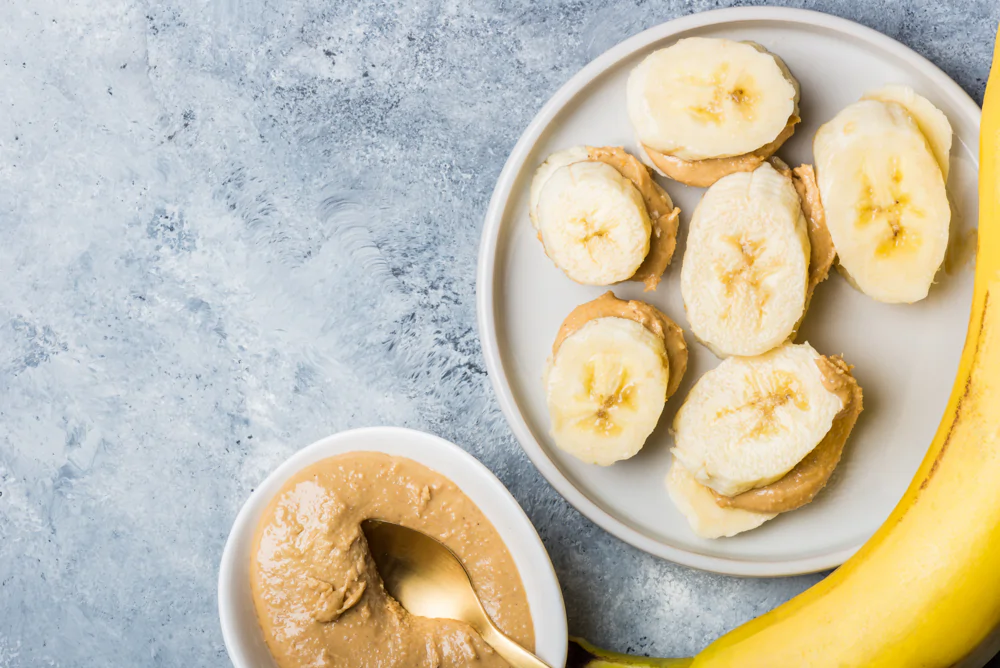
Choose a medium-GI carb + protein combo (e.g., banana + peanut butter) before a workout. After a workout, go with a high-GI carb like white rice or a sports drink, which helps restore glycogen fast.
Glycemic Index and Mental Health
“Keeping your blood sugar steady is one of the kindest things you can do for your brain.” – Dr. Uma Naidoo, nutritional psychiatrist & author of “This Is Your Brain on Food”
Research shows that blood sugar swings affect mood, concentration, and even anxiety levels. GI plays a big role here. High-GI diets are linked to mood instability, risk of depression, and poor focus.
Glycemic Index and Long-Term Health
Long-term high-GI diets are associated with increased risk of type 2 diabetes, higher cholesterol & triglycerides, greater risk of cardiovascular disease, and accelerated aging and inflammation.
Meanwhile, low-GI diets are tied to improved insulin sensitivity, better weight control, lower inflammation, and reduced risk of chronic disease.
Practical Strategies for Better Blood Sugar
So, what actions can you take? Here are a few things:
1. Follow the “Fab Four” Formula
Kelly LeVeque came up with this amazing sugar-balancing combo:
Protein + Fat + Fiber + Greens = Stable Blood Sugar
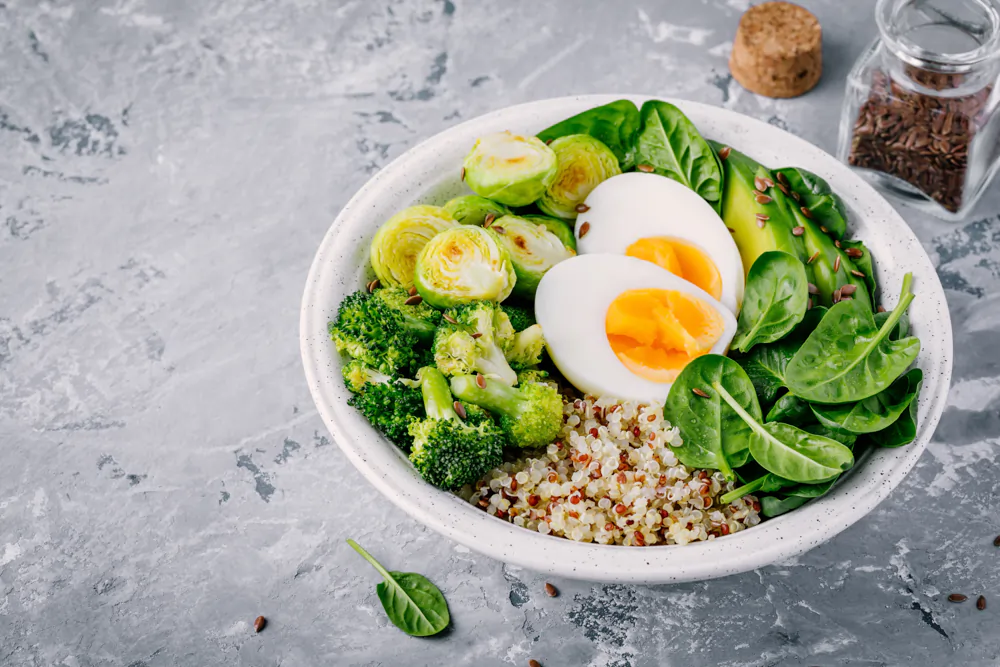
This works since proteins slow digestion, fat adds satiety and smooths blood sugar spikes, fiber slows carb absorption, and greens are packed with nutrients and low-GI magic.
2. Eat Your Food in the Right Order
I couldn’t believe it when I learned this was a thing! The order in which you eat food matters! Studies show eating veggies and protein before carbs can reduce post-meal glucose spikes by 20-30%.
Try this order:
Veggies, then proteins, and finish with carbs.
Pasta night? Start with a salad, eat the meatballs, and finally the noodles.
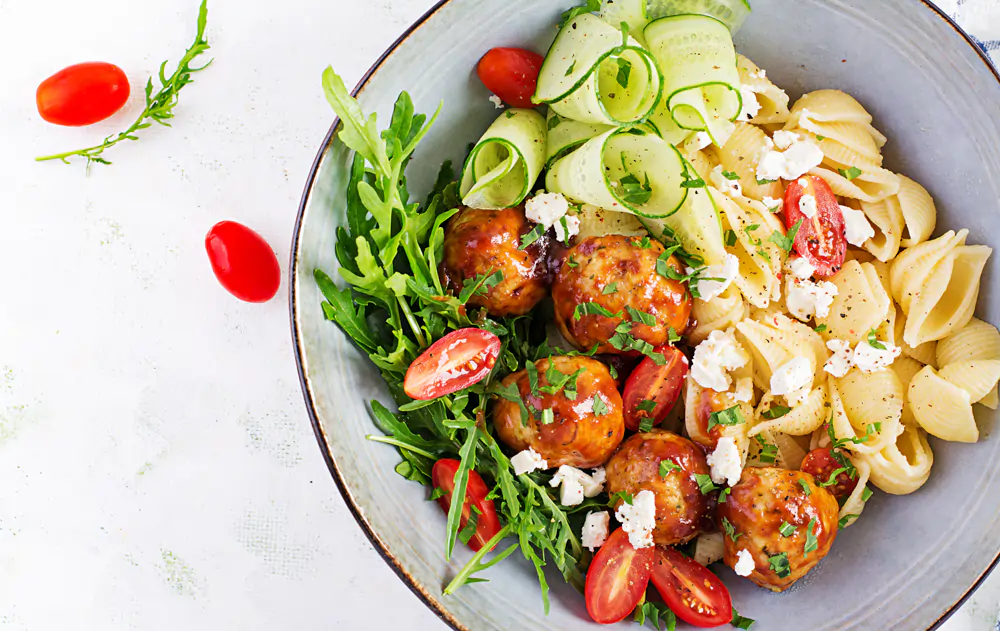
This works because fiber creates a gel-like barrier in the gut, slowing down sugar absorption.
3. Limit Liquid Carbs
Sweetened liquids like juices, soda, coffee, and smoothies spike your blood sugar very fast! They skip digestion altogether.
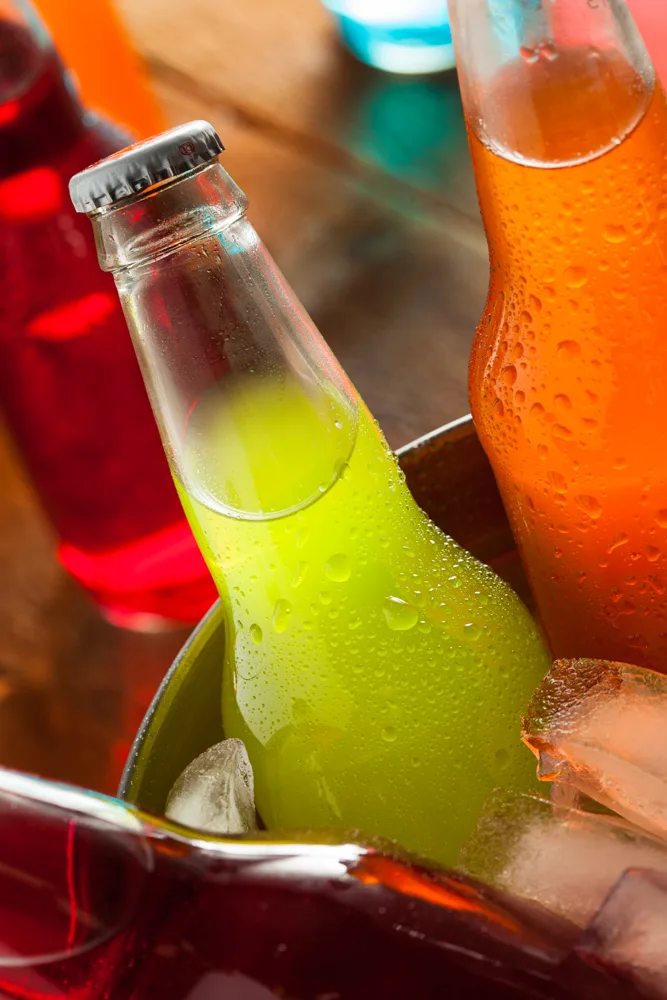
A glass of orange juice has 21g of sugar, about 5 teaspoons.
A grande frappuccino has 52g of sugar, almost 13 teaspoons!
what To do:
Choose unsweetened drinks! You can also make smoothies by blending protein and fat (like chia or almond butter). When thirsty, hydrate with water, sparkling water, or herbal teas.
4. Move After Meals (Even Just a Walk)
Just 10-15 minutes of movement after eating can blunt blood sugar spikes and boost insulin sensitivity. Walk. Over a phone call or listening to a podcast. Walk. Or stretch.
5. Don’t Skip Meals (Especially Breakfast!)
Skipping meals may seem like a great idea, but it backfires hard. Your body overcompensates with a huge spike when you finally eat. Then, you’re more likely to crave sugary, high-GI snacks later.
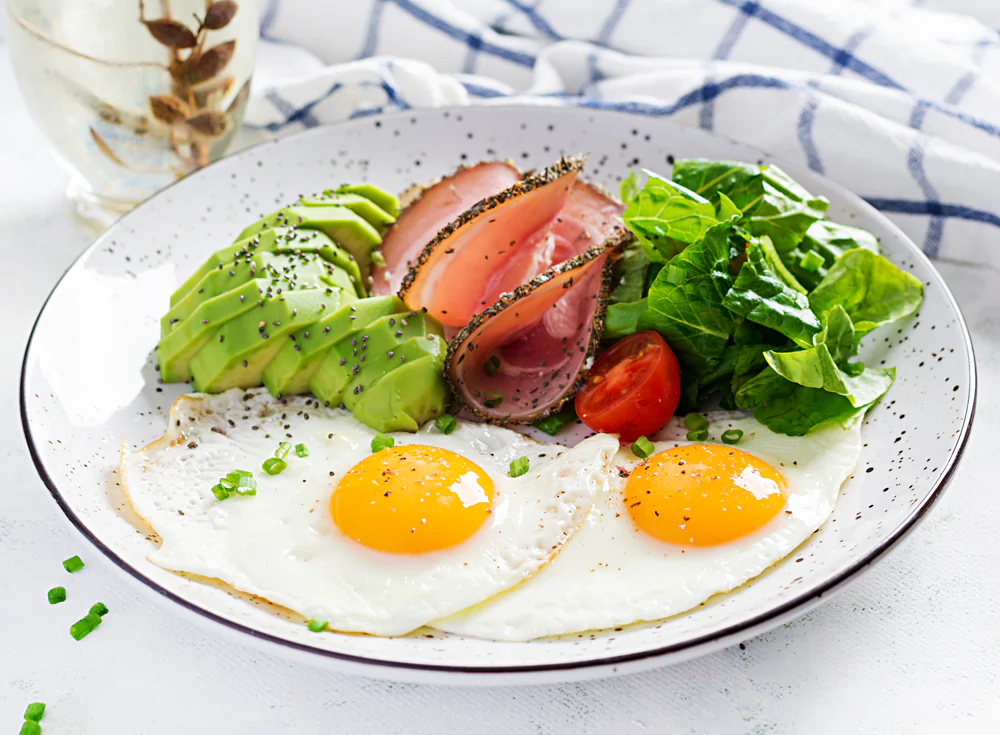
A high-protein breakfast sets you up for all-day stability. Think of eggs, avocado toast on whole grain, or tofu scramble with veggies.
6. Prioritize Sleep and Stress Management
Lack of sleep distorts your blood sugar. Stress, on the other hand, causes cortisol spikes, leading to insulin resistance.
So, what do you do when you’re stressed? Breathwork & meditation. Journaling. Gentle exercise. And saying “no” more often.

7. Vinegar is Your Friend
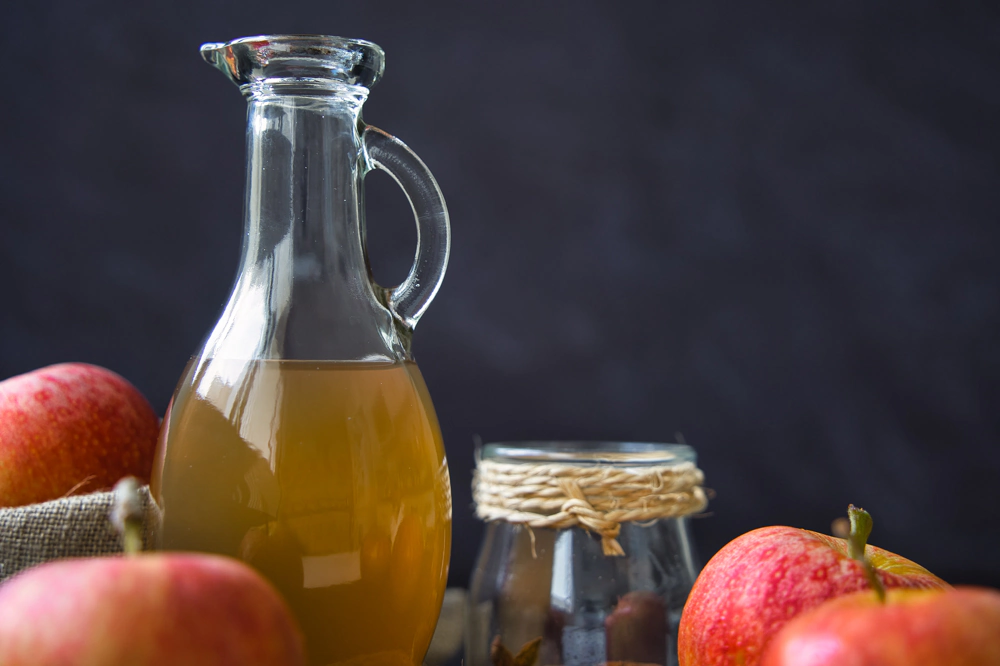
A tablespoon of apple cider vinegar in water before meals lowers post-meal glucose by up to 34%. The acetic acid in vinegar slows the breakdown of starches into sugars.
You can also add it to salad dressings or marinades.
8. Treat Desserts as Dessert (Not Breakfast)
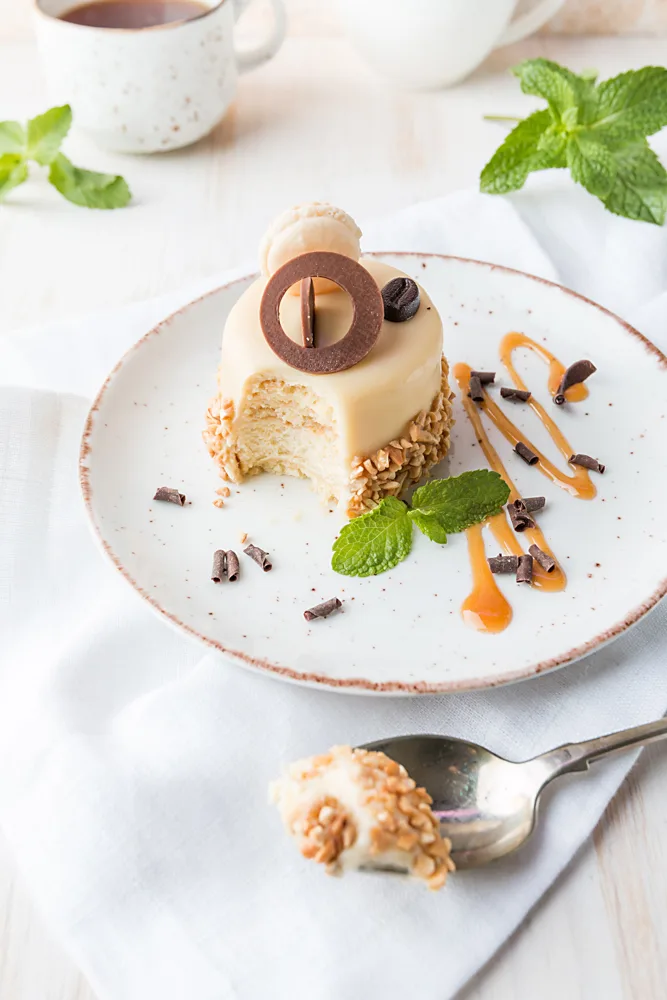
Eat them after a balanced meal. Add protein or fat (like some nuts with that cookie). You can pair sweet treats with fiber, like chia pudding over ice cream.
Carb Swaps to Start Today
How can I eat my carbs without the sugar crash, brain fog, or bloat?
Carbs are not exactly bad. Some just spike your blood sugar more than others.
So, which carbs will give you fewer glucose spikes, better energy, a happier gut, fewer cravings, a steady mood, and long-term metabolic health? Here is a table:
| Instead of | Try this | Why? |
| White rice | Quinoa, farro, or cauliflower rice | Higher in fiber & protein, lower GI |
| White bread | Sprouted grain, sourdough, or rye | Slower glucose release; better for gut |
| Regular pasta | Lentil, chickpea, or whole-wheat pasta | Higher protein/fiber, lower glycemic load |
| Breakfast cereal | Steel-cut oats, chia pudding, or Greek yogurt | Less sugar, more satiety |
| Potato chips | Roasted chickpeas, kale chips, or air-popped popcorn | Crunch with fiber & protein |
| Sugary granola bars | Homemade energy bites with oats, nuts, and seeds | Balanced macros & no crash |
| Pancakes | Almond flour or oat flour pancakes | Lower-carb, higher-fiber, blood sugar–friendly |
| Ice cream | Frozen banana “nice cream” or Greek yogurt + berries | Naturally sweet, more protein |
| Soda | Sparkling water + citrus or kombucha | Less sugar, gut-friendly fizz |
| French fries | Baked sweet potato wedges or jicama fries | More fiber, fewer trans fats |
For Your Cravings…
- Zucchini noodles (zoodles) instead of regular pasta
- Mashed cauliflower instead of mashed potatoes
- Portobello mushrooms as a bun swap
- Lettuce wraps over flour tortillas or burger buns
- Chickpea or almond flour tortillas for tacos
How to Improve Carbs
- Add fat (like avocado, olive oil, nut butter)
- Add protein (eggs, yogurt, lean meats, legumes)
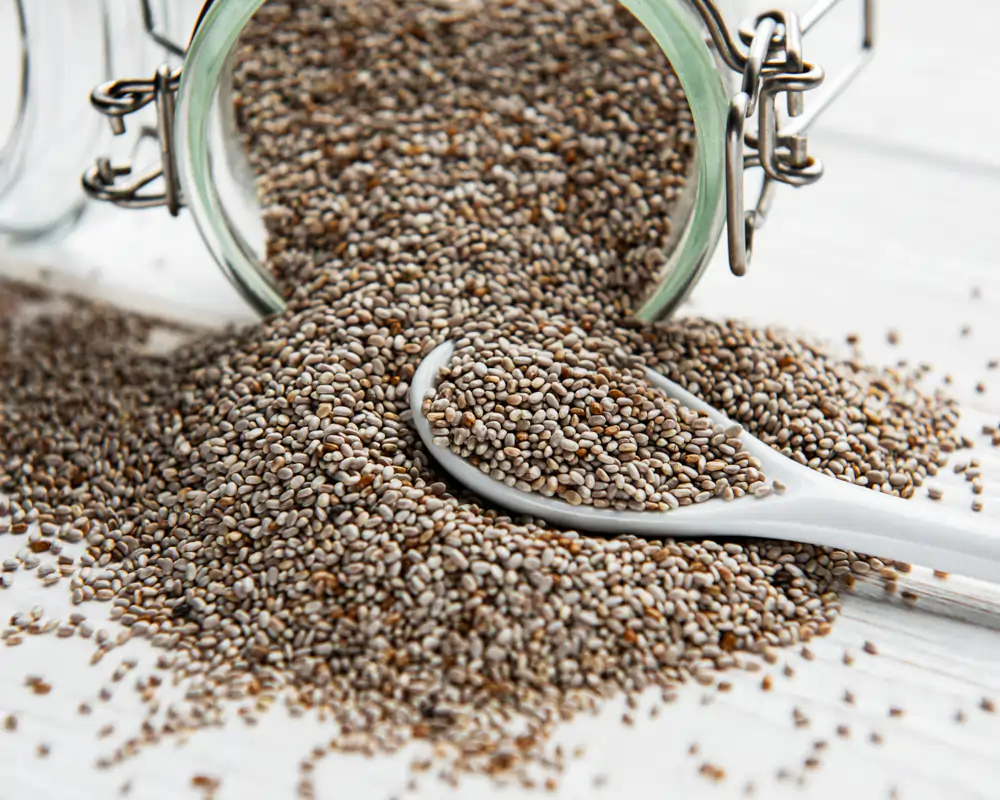
- Add fiber (chia, flax, veggies, whole grains)
- Cook it less (al dente pasta = lower GI)
- Cool it down (cooled rice or potatoes is resistant starch, thus lowers spikes
Get a Low GI Meal Plan
Are there sugar-friendly meals that don’t feel like punishment? Yes! Here is a free Low-GI foods meal plan!
Get the Low-GI foods meal plan!
Enter your email below to receive our free Low-GI foods meal plan delivered to your inbox.
Tips for How to Prep a GI-Friendly Plate
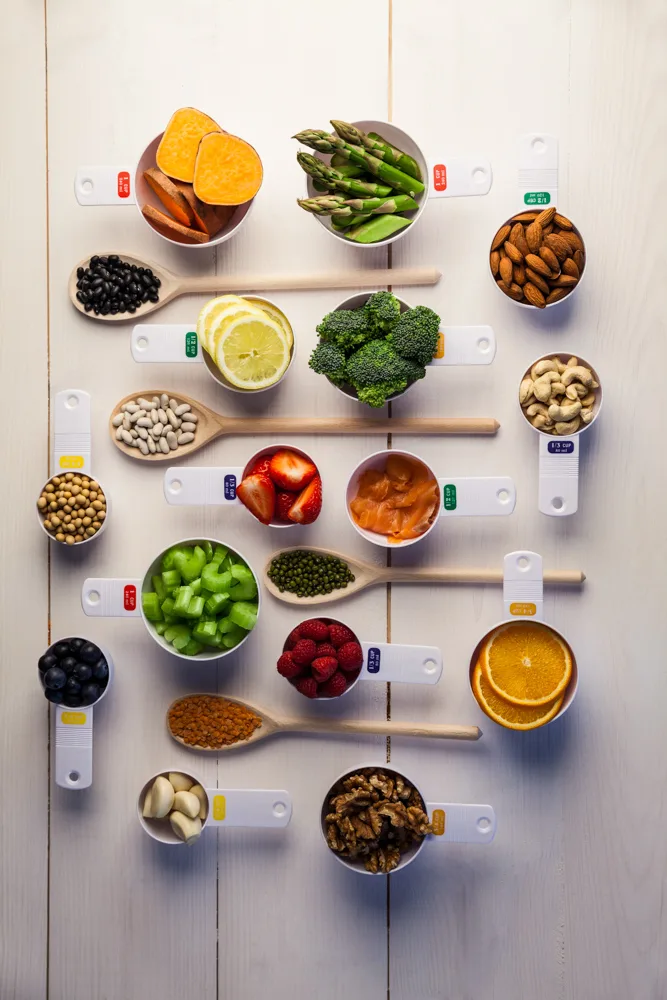
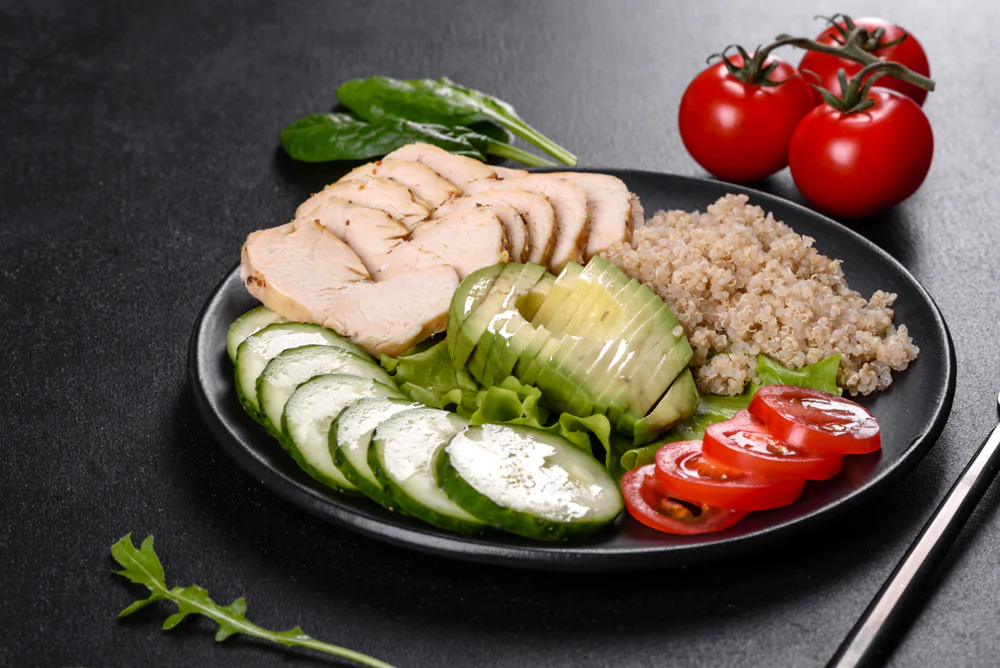
- 50% Non-starchy veggies (leafy greens, broccoli, bell peppers, zucchini
- 25% High-quality protein (chicken, fish, tofu, lentils)
- 25% Low-GI carbs (quinoa, legumes, sweet potato, steel-cut oats)
- Healthy fats (avocado, olive oil, nuts, seeds) for satiety and hormone balance
Common Myths and Misconceptions About the GI
Lastly, there are a lot of myths and misconceptions about the Glycemic Index. Here are some of the 5 big ones you should know:
Myth #1: “Low-GI means healthy, period.”
This is not always the case. Some foods have low GI, but when eaten in excess, they lead to sugar spikes. Fructose is an excellent example. It is found in soda and high fructose corn syrup. When you eat it in large quantities, it leads to insulin resistance, fatty liver, and weight gain.
The idea here would be to look out for nutrient-dense low-GI foods.
Myth #2: “All high-GI foods are bad.”
Again, some high-GI foods are nutrient-dense. Watermelon, helloo? With a GI of 72, it has a low glycemic load, and it’s packed with hydration, lycopene, and vitamin C.
So, also look out for glycemic load and the food type combinations (fiber, fat, protein) in a food.
Myth #3: “You have to memorize the GI of everything you eat.”
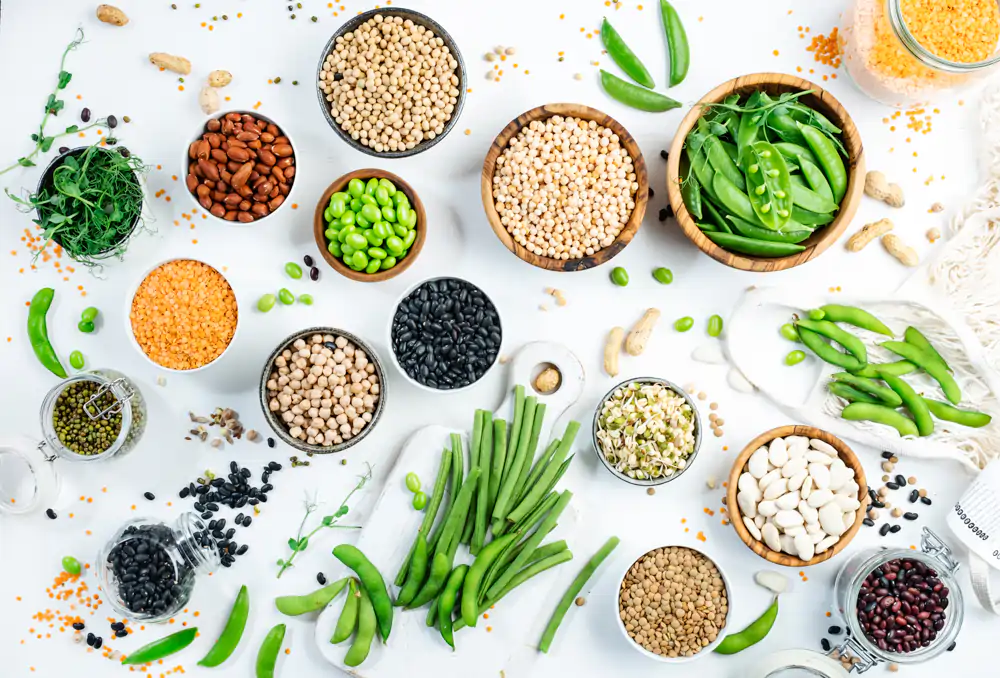
Obviously, you can’t do that. What you can do is know the general categories. Whole grains, legumes, and veggies have low GI. Processed foods have high GI.
Myth #4: “If you’re not diabetic, the GI doesn’t matter.”
Blood sugar affects everyone, not diabetics alone. High-GI foods lead to obesity, heart disease, PCOS, brain fog, mood swings, and sugar addiction.
If you have ever thought of using performance enhancers, low-GI foods might be a good place to start!
Myth #5: “Fruit is bad because it has sugar.”
The fiber in whole fruit slows sugar absorption. So, bananas, berries, apples, and pears? All good. What you need to do is DITCH THE FRUIT JUICES! Fruit juices remove fiber and create sugar bombs!
Quick Recap/Takeaways
- The Glycemic Index measures how fast a carb-containing food raises your blood sugar. Low GI food is good for your blood sugar, while high GI foods give you energy crashes and cravings.
- Glycemic Load takes into account GI and portion size combo
- Highly processed, overcooked, and super-ripe fruits have high GI. However, pairing with fat/fiber/protein + adding acid lowers GI impact
- Veggies, whole grains, legumes, and fruits have Low GI. Whereas processed foods, starches, sweets, and snacks have high GI
- Low GI is good for your brain, heart, hormones, weight, and vibes.
- Fab Four Formula, eat veggies/protein before carbs, avoid liquid sugars, move post-meal, add vinegar, sleep well, and treat desserts as treats, not staple