Intermittent Fasting for Beginners: How to Lose Weight Safely & Easily
If you are trying to lose weight or want a simple weight loss plan, then this intermittent fasting for beginners guide is specifically for you.
Intermittent fasting has become popular for its simplicity. Unlike complicated diet plans like keto, the carnivore diet, or other low-carb diets, intermittent fasting is more about when you eat instead of obsessing over every calorie.
Many people use intermittent fasting for weight loss, belly fat loss, reduced snacking, better energy, and healthier daily habits. No need for expensive supplements, fancy meal plans, or extreme workouts to get started.
This beginner’s guide to intermittent fasting breaks down what intermittent fasting is, how intermittent fasting works, the best intermittent fasting schedules, foods to eat while fasting, common fasting mistakes, and simple tips to help you lose weight safely and sustainably.
What Is Intermittent Fasting?
Intermittent fasting is an eating pattern where you alternate between periods of eating and periods of fasting. Instead of focusing only on what foods you eat, you focus on when you eat.
During your fasting period, you avoid foods and calorie-containing drinks. And during your eating period, you eat normally, ideally healthy, nutritious, balanced meals.
There are many intermittent fasting schedules like the 16:8, 12:12, 14:10, and more. We’ll break them down in detail below.
Intermittent fasting does not mean starving yourself. Rather, the goal is to create a healthy eating routine that is sustainable for your lifestyle.
How Does Intermittent Fasting Work?
Usually, when you eat, your body uses glucose for energy. However, during a fast, your insulin levels start to drop, and your body uses stored fat for energy (ketosis). Hence fat burning and weight loss.
Intermittent fasting also reduces mindless eating and late-night snacking.
Research also shows that fasting enhances:
- Blood sugar balance
- Metabolism
- Reduced inflammation
- Insulin sensitivity
- Healthier eating habits
Intermittent fasting also simplifies healthy eating. Instead of long meal preps and calorie counting, it is easier to eat during specified periods.
Top Benefits of Intermittent Fasting
Intermittent fasting has become popular for many reason. Here are some of the biggest intermittent fasting benefits beginners start to notice:
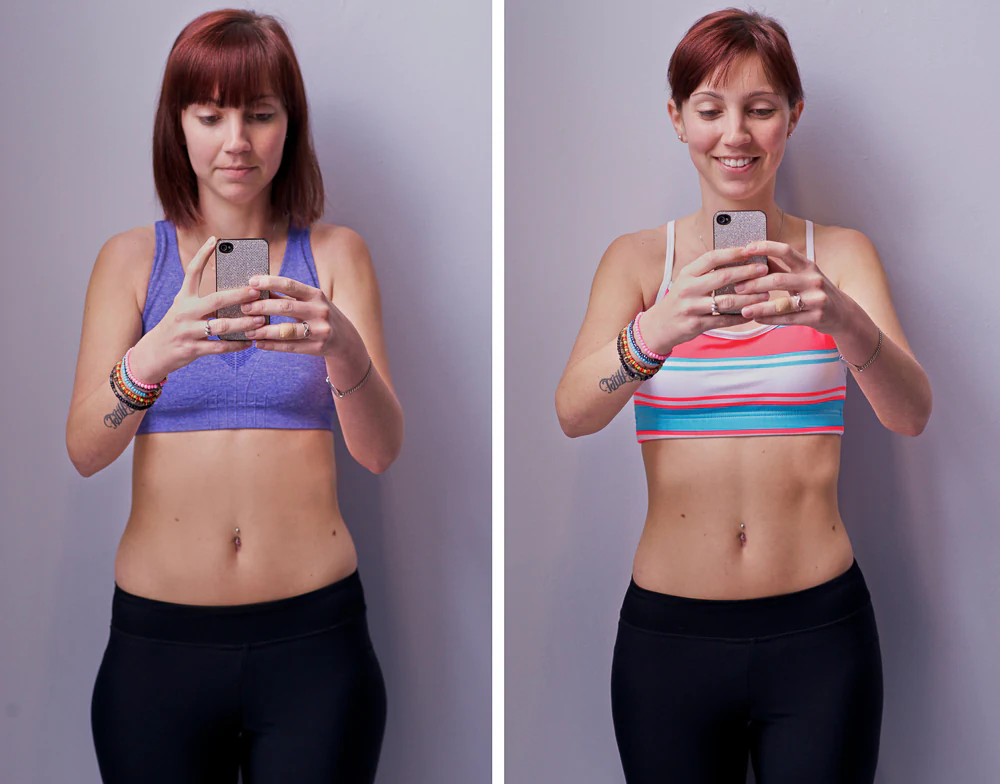
1. Healthy Weight Loss
Intermittent fasting reduces calorie intake and makes your body burn stored fat for energy.
Because of this, most people use intermittent fasting for weight loss, to lose belly fat and to manage cravings.
2. Reduces Mindless Snacking
Sticking to a structured eating schedule helps cut down on late-night snacking and emotional eating habits that slow down weight loss.
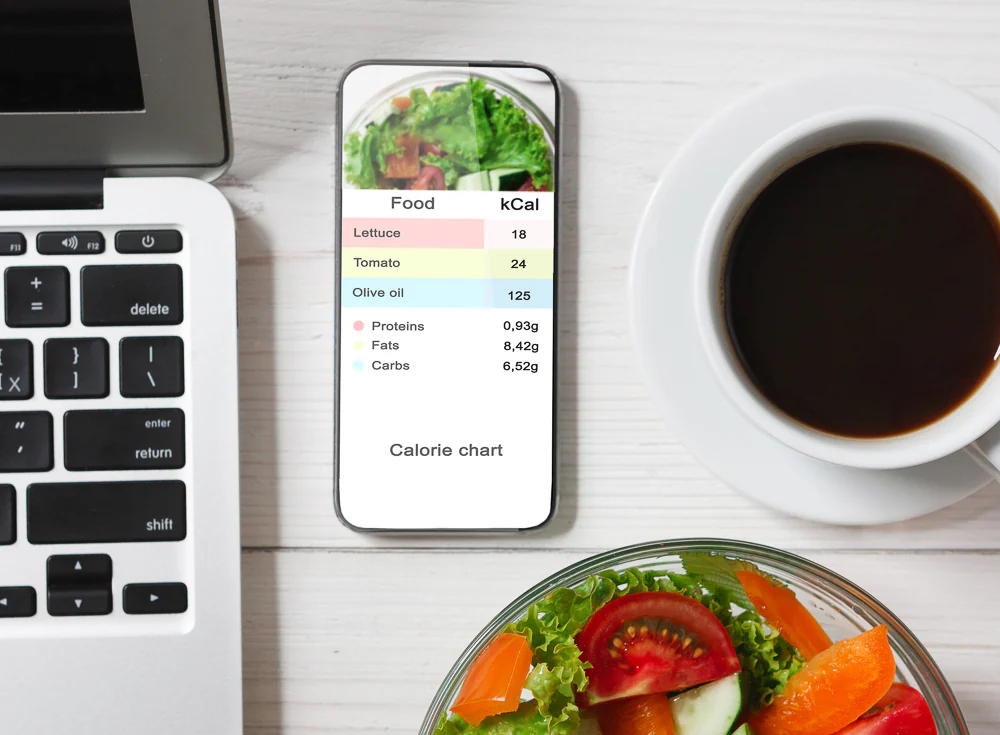
3. Simpler Than Traditional Dieting
Intermittent fasting has no calorie counting or complicated diet rules. It is only following a simple eating vs fasting schedule.
4. Better Energy Levels
People who practice intermittent fasting report having better energy and feeling more focused after their bodies adjust to intermittent fasting, especially when paired with healthy meals and proper hydration.
5. Helps Build Healthier Habits
Intermittent fasting generally encourages better meal planning, mindful eating, hydration, sleep routines, and overall healthier habits.
6. Flexible for Different Lifestyles
There are many intermittent fasting schedules for different lifestyles. For example, beginners can start slowly with 12:12 or 14:10, and eventually progress to the 16:8 intermittent fasting schedule.
Best Intermittent Fasting Schedules
There are so many ways you can do intermittent fasting. Some of the popular intermittent fasting schedules for beginners and weight loss are:
12:12 Intermittent Fasting Method
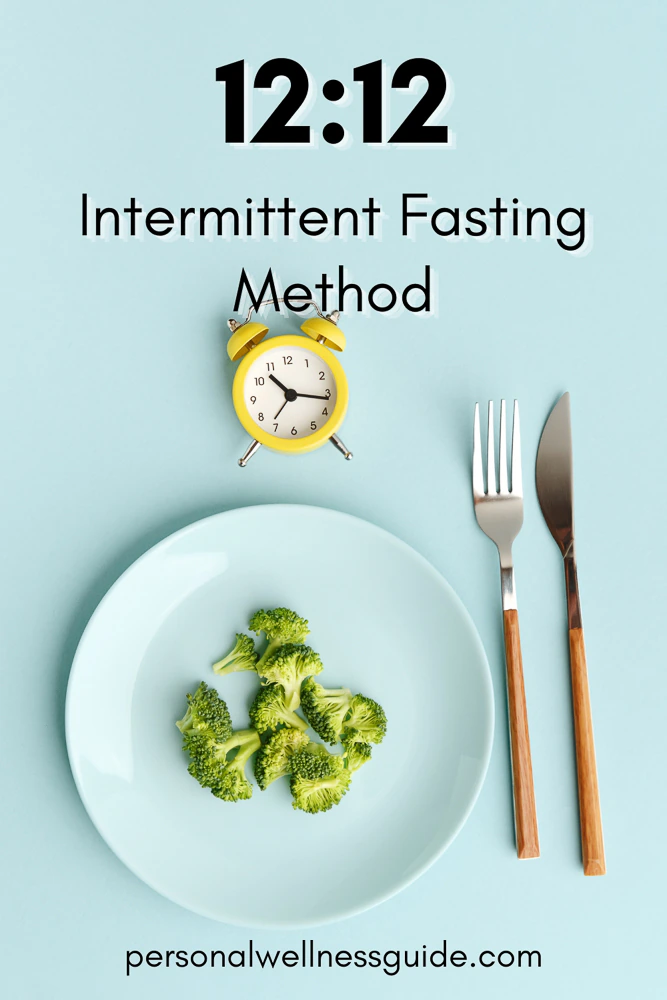
This beginner-friendly fasting method involves fasting for 12 hours and eating during the next 12-hours.
For example, you can eat between 7 AM and 7 PM and fast overnight until the next morning. This is the easiest way to start intermittent fasting, fasting while you sleep.
14:10 Intermittent Fasting Method
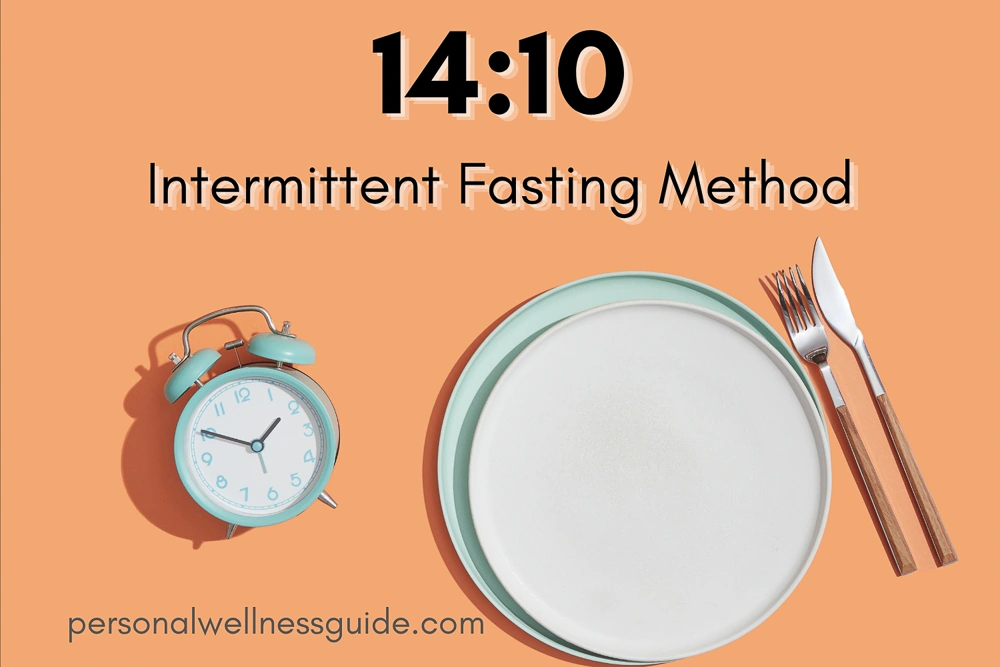
In the 14:10 method, you fast for 14 hours and eat during a 10-hour window. For example, you could eat between 9 AM and 7 PM, then fast overnight.
This method is great for beginners looking to ease into fasting for longer periods.
16:8 Intermittent Fasting Method
The 16:8 intermittent fasting schedule is one of the most popular methods for weight loss.
A good example of this fasting schedule is eating between 12 PM and 8 PM, then fasting for the remaining 16 hours.
People go for this schedule because it’s flexible and reduces unnecessary snacking.
18:6 Intermittent Fasting Method
In the 18:6 fasting method, you fast for 18 hours, then eat during a 6-hour period.
This is a pretty advanced level of fasting. So it works best for people already comfortable with the 16:8 fasting method.
OMAD (One Meal A Day)
OMAD means you eat one large meal per day and fast for the rest of the time.
Although some people enjoy the simplicity of OMAD, it can be restrictive if you’re a beginner. It’s also hard to sustain long-term.
5:2 Intermittent Fasting Method
In the 5:2 fasting method, you eat normally for 5 days of the week. Then you significantly reduce calories on 2 non-consecutive days of the week.
This method is great if you don’t want to fast every day.
Best Intermittent Fasting Method for Beginners
When starting intermittent fasting, it’s a good idea to start small instead of jumping to long fasting hours immediately.
For most beginners, the best intermittent fasting schedules are:
- 12:12 fasting
- 14:10 fasting
These fasting schedules will be gentle on your body as it adjusts to the new norm.
Once you get used to fasting, you can now transition to 16:8 intermittent fasting.
Here are a few important beginner intermittent fasting tips:
- Start slowly and stay consistent
- Drink lots of water
- Go for protein and fiber-rich foods
- Avoid binge-eating during eating windows
- Prioritize sleep and stress management
The best fasting method is the one you can maintain long-term. You’ll be tempted to go for the most extreme fasting method to lose weight, but consistency is more important than anything in the long run.
Foods to Eat While Intermittent Fasting
The foods you eat during intermittent fasting matter a lot, especially for weight loss and reduced cravings.
Intermittent Fasting Foods for Beginners
To make your intermittent fasting sustainable, choose:
- Protein (check out this high protein diet guide to make sure you don’t miss anything)
- Healthy fats
- Fiber-rich foods
- Whole minimally processed foods (see this simple vs complex carbs guide)

These foods will keep you full longer and give you energy throughout the day.
Best Foods For Fasting
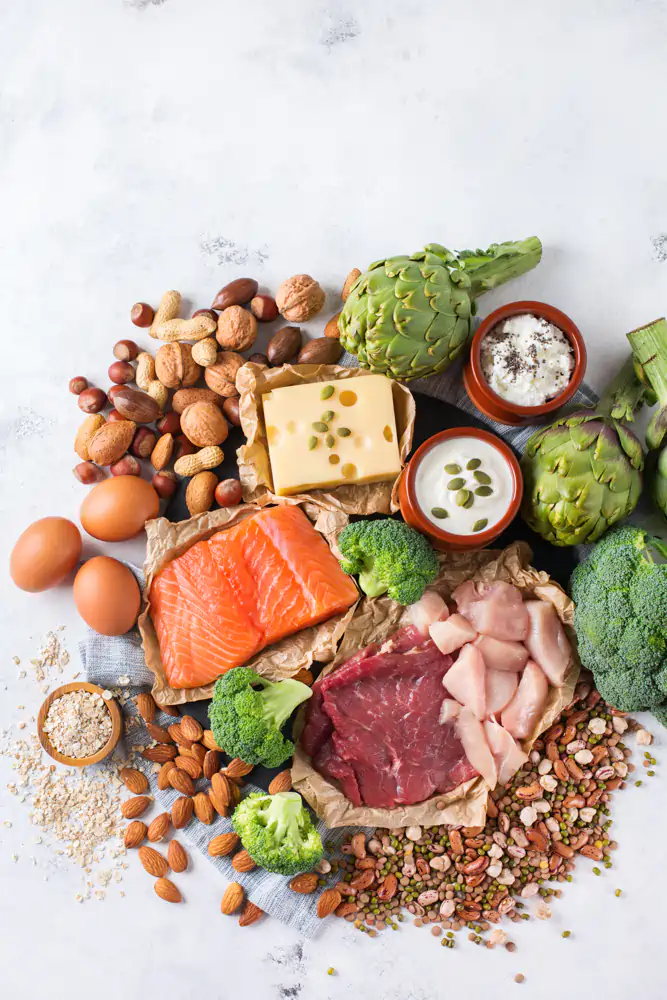
Some of the best intermittent fasting foods include:
- Eggs
- Chicken
- Salmon
- Greek yogurt
- Avocado
- Berries
- Leafy greens
- Oats
- Nuts and seeds
- Beans and lentils
- Sweet potatoes
- Olive oil

High-protein meals are especially helpful because protein keeps you full, reducing unnecessary snacking during fasting hours.
Related guides for the best foods for weight loss:
Low-carb foods for weight loss
Low glycemic foods
Anti-bloating foods for bloating relief
What To Drink While Intermittent Fasting
During your fasting windows, stick to zero- or low-calorie drinks like:
- Water
- Sparkling water
- Black coffee
- Unsweetened tea
- Electrolytes without added sugar
Staying hydrated while intermittent fasting is extremely important and can also reduce hunger.
What Breaks a Fast?
One common question people ask about intermittent fasting is what breaks a fast?
Generally, any food or drink with calories will break a fast because it triggers digestion and raises insulin levels.
Common foods/drinks that break a fast include:
- Sugar
- Juice
- Soda
- Milk
- Cream in coffee
- Protein shakes
- Snacks
- Candy
- Most supplements with calories

Does Coffee Break A Fast?
Plain black coffee is considered fast-friendly. Even unsweetened tea is allowed. However, adding sugar, flavored syrups, creamers, or milk will break your fast.
Does Gum Break a Fast
Sugar-free gum may not break a fast for everyone. However, artificial sweeteners can increase hunger or cravings.
Intermittent Fasting Meal Plan for Beginners
One of the easiest ways to succeed with intermittent fasting is to keep your meals simple, balanced and filling. You want to nourish your body without feeling over-restricted.
7-Day 16:8 Intermittent Fasting Meal Plan for Beginners
Start your intermittent fasting today with this free 7-Day 16:8 Intermittent Fasting Meal Plan for Beginners.
Get the 7-Day 16:8 Intermittent Fasting Meal Plan for Beginners
Enter your email below to receive our free Intermittent Fasting meal plan in your inbox.
Best Intermittent Fast Apps
Intermittent fasting apps can simplify fasting, especially for beginners.
Fasting apps help you track your fasting hours, stay consistent with your fasting schedule, monitor hydration, and build healthier habits over time.
Here are some of the best fasting apps for beginners:
Common Intermittent Fasting Mistakes
1. Starting Too Aggressively
Jumping straight into long fasts like OMAD and 20-hour fasts can overwhelm beginners. Ideally, the best way to start is with a 12:12 or 14:10 schedule and slowly build consistency.
2. Not Eating Enough Protein
Protein keeps you full, supports muscle recovery and weight loss. Without enough protein, you’ll feel hungry and likely snack excessively later.
3. Overeating During Eating Windows
Intermittent fasting isn’t a free pass to overeat during eating windows. Also, eating junk or ultra-processed foods will slow your progress and make you feel sluggish.

4. Not Drinking Enough Water
Dehydration is one of the biggest reasons why intermittent fasting beginners get headaches, low energy and fatigue while fasting.
5. Expecting Instant Results
Healthy weight loss takes time. Although some people get results quickly, intermittent fasting usually happens through consistency over weeks and months.
6. Ignoring Sleep and Stress
Poor sleep and high stress make fasting even harder and increase cravings. Wellness habits like adequate quality sleep, movement and stress management will make your intermittent fasting journey smoother and faster.
How Long Does It Take to See Intermittent Fasting Results?
I imagine before you start intermittent fasting, you’d like to know how long it will take for you to see results. Everyone’s body is different, but most people start to notice small changes in the first few weeks:
- Reduced bloating
- Fewer cravings
- Improved energy
- Better appetite control
- Gradual weight loss
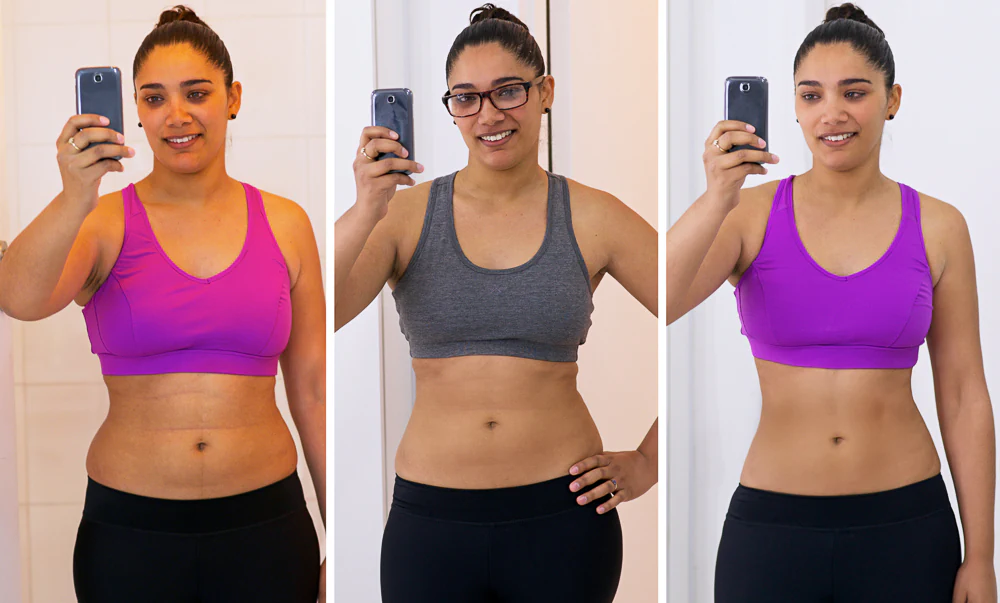
Visible weight loss and belly fat loss usually take longer and will depend on your consistency, meal quality, sleep, stress levels, activity level, and overall calorie intake.
Safe and healthy weight loss will be gradual. So don’t expect results overnight. Instead, take intermittent fasting as a long-term healthy lifestyle habit rather than a quick-fix diet.
Intermittent Fasting for Women
Intermittent fasting for women is effective. But note that women’s bodies are sensitive to stress, poor sleep, undereating, and overly aggressive fasting schedules. So, start with a gentle intermittent fasting method like 12:12, 14:10 or a gentle version of the 16:8 intermittent fasting schedule.
Tips for Women Starting Intermittent Fasting
- Ease into fasting gradually
- Prioritize protein-rich meals
- Stay hydrated
- Avoid extreme calorie restriction
- Get enough sleep
- Pay attention to your energy levels and hunger cues
Who Should Avoid Intermittent Fasting?

Intermittent fasting is great for most people, but it can also be a bad idea for some people.
Avoid intermittent fasting (or seek medical advice from a doctor) if you are:
- Pregnant or breastfeeding
- A person with a history of eating disorders
- Underweight
- Taking certain diabetes medications
- A person with medical conditions that affect blood sugar or nutritional needs
- A teenager or a person with very high physical activity levels
Frequently Asked Questions About Intermittent Fasting
Can I Drink Coffee While Fasting?
Yes, plain black coffee, unsweetened tea and water are popular fasting drinks because they have few calories.
What Breaks a Fast?
Foods and drinks with calories, sugar or cream. Think things like soda, juice, snacks, creamers, and protein shakes.
Can Intermittent Fasting Help Lose Belly Fat?
Yes, intermittent fasting is great for both overall weight loss and losing belly fat, especially when done with proper nutrition, sleep, stress management, movement and other healthy habits.
What Is the Best Intermittent Fasting Schedule for Beginners?
For beginners, start with a 12:12 or 14:10 intermittent fasting schedule. Then progress to the 16:8 or other advanced intermittent fasting methods.
Can You Exercise While Fasting?
Yes. Especially light workouts like yoga, walking or strength training. Remember to hydrate and eat balanced meals.
Is Intermittent Fasting Safe?
Yes, intermittent fasting is safe for many people. However, it’s not appropriate for everyone. If you are pregnant, breastfeeding, underweight, have previous eating disorders, or are taking diabetes medication or have conditions that affect your blood sugar, you should first consult your doctor.
Final Thoughts
Intermittent fasting is a great, safe and healthy way to lose weight, reduce snacking and build healthy eating habits.
The key is to start slow and stay consistent. Also, remember to hydrate, eat well-balanced meals, sleep enough and manage your stress.
If you are ready to start, grab this FREE 7-Day 16:8 Intermittent Fasting Meal Plan for Beginners for simple, beginner meal ideas and tips during your fast.
Get the 7-Day 16:8 Intermittent Fasting Meal Plan for Beginners
Enter your email below to receive our free Intermittent Fasting meal plan in your inbox.