Simple vs Complex Carbs Ultimate Guide: Carbs to eat or avoid
If you’re trying to eat healthy, you’ve probably heard of good and bad carbs, or simple vs. complex carbs. Carbs are built different. Some keep you full for longer, while others trigger cravings, energy spikes, and moods.
In this guide, we’ll differentiate simple and complex carbs and explain how each affects women, men, weight, moods, and even mental health. By the end, you’ll know which carbs to eat and what to avoid, the best time to eat carbs, and how to move from simple to complex carbs.
What Are Carbohydrates?
Carbs are your body’s primary source of energy. Your body breaks down carbohydrates to glucose, which provides energy for your body functions.
So, what’s the twist?
Not all carbs are the same. Some carbs give you slow, continuous energy throughout the day. Others give you a quick burst of energy followed by a crash. That’s where Simple vs. Complex Carbs comes in:
Simple vs. Complex Carbohydrates – What’s the Difference?
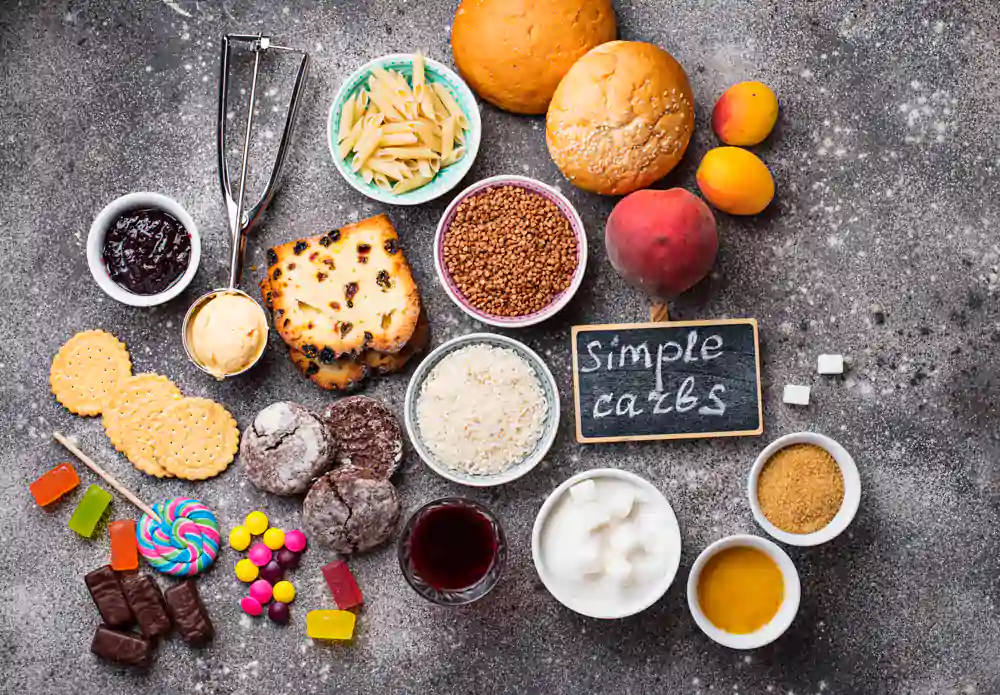
What Are Simple Carbs?
Simple carbs are the carbs that digest easily. Then, they are quickly absorbed into the blood stream, giving you a quick energy boost. But they also cause blood sugar spikes.
They usually have one or two sugar molecules.
What Are Complex Carbohydrates?
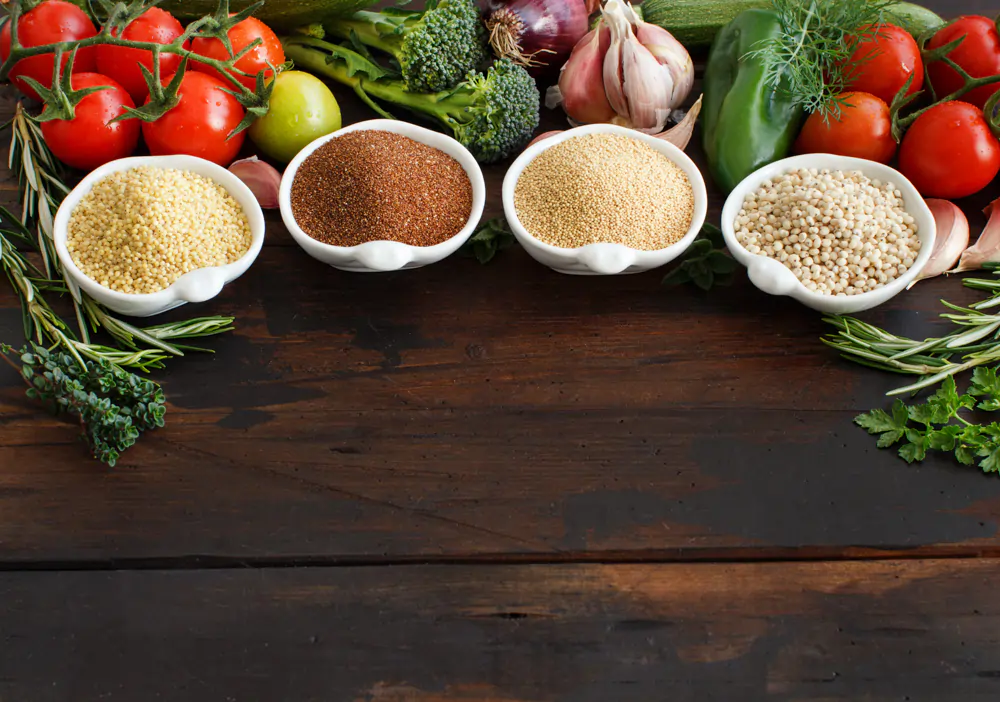
Unlike simple carbs, which digest easily, complex carbs digest slowly, giving your body long-lasting energy and keeping you full longer. This is because are made up of long chains of sugar molecules.
They are mostly made up of:
1. Starches
Starches are the digestible carbs found in whole grains like quinoa, brown rice, & whole wheat; legumes like lentils; and starchy veggies like carrots and sweet potatoes.
2. Fibers
Fibers comprise the indigestible part of plant-based carbs that help with digestion. They are in whole grains, fruits, veggies, seeds, and nuts.
Fun Fact: Whole grains have three main parts:
- Bran (fiber-rich outer layer)
- Germ (nutrient-packed core)
- Endosperm (starchy middle layer)
In refined grains like white flour and white rice, the bran and germ is removed, taking away the most important nutrients.
So, which foods are simple carbs, and which are complex carbs? Here is a complete carb food list:
Simple vs Complex Carbs Complete Food List – Carbs to Eat & Carbs to Avoid
Complex Carbs (Good Carbs) – Eat More of These
1. Whole Grains (Fiber-Rich & Nutrient-Dense)
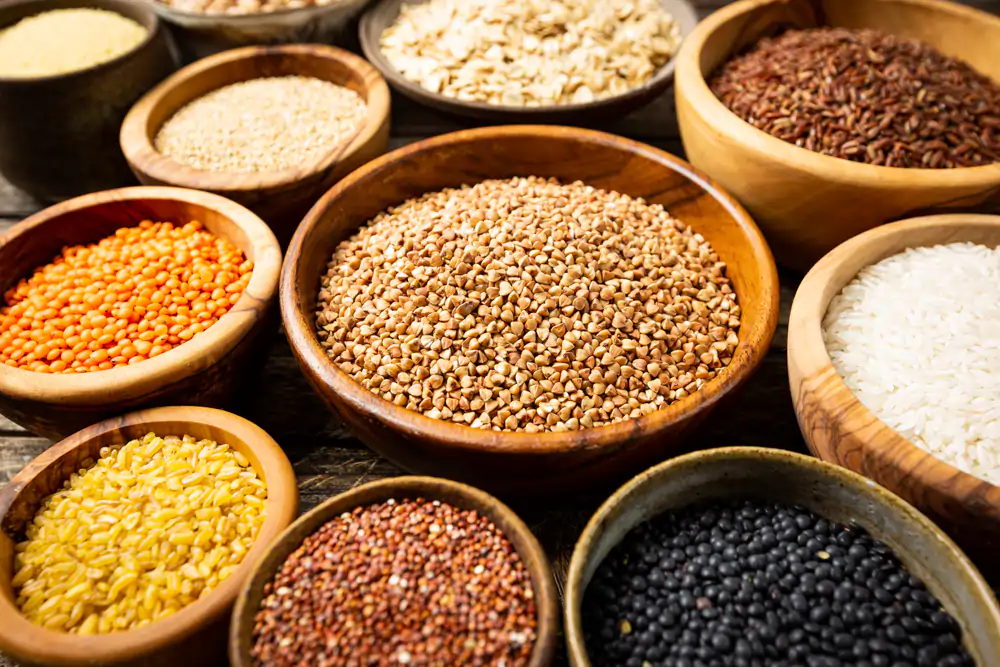
- Quinoa
- Brown rice
- Oats (steel-cut, rolled oats)
- Whole wheat bread
- Whole wheat pasta
- Barley
- Farro
- Bulgur
- Buckwheat
- Millet
- Spelt
Whole grains are high in fiber, keeping you full for longer. They also contain Vitamin B, which is good for brain function and metabolism. Lastly, they have a low Glycemic Index, which prevents sugar spikes.
2. Legumes & Beans (High-Protein Carbs)
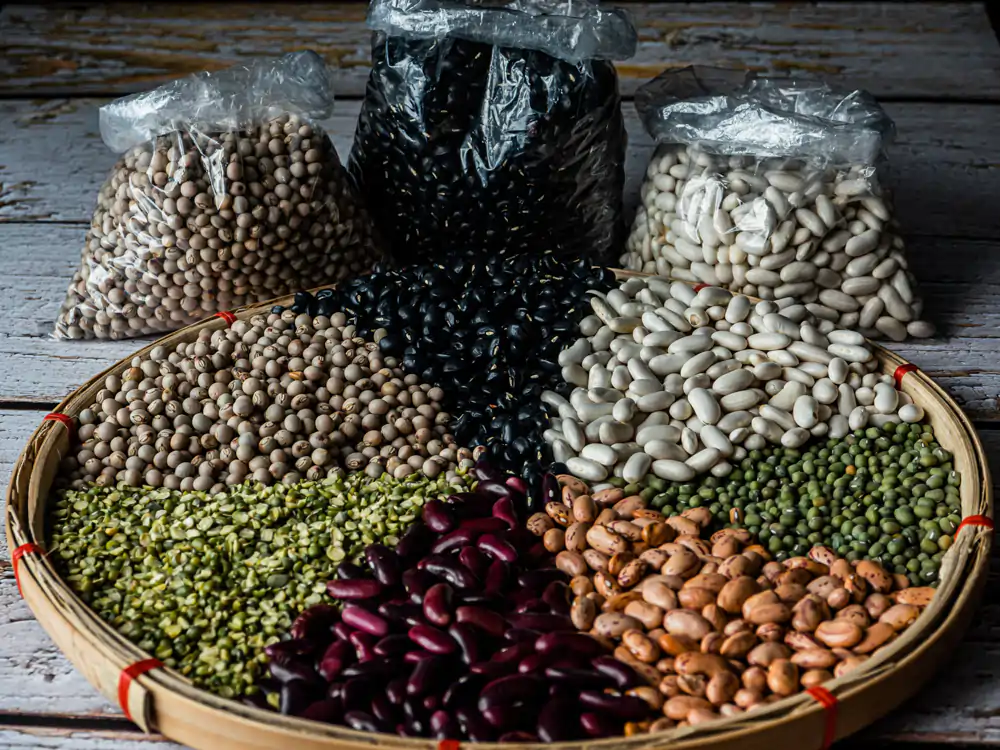
- Lentils (red, green, brown)
- Chickpeas (garbanzo beans)
- Black beans
- Kidney beans
- Pinto beans
- Navy beans
- Green peas
- Soybeans (edamame)
Legumes are filled with fiber and plant-based protein. They stabilize your blood sugar better than refined grains and support your gut health by feeding good bacteria.
3. Starchy Vegetables (Nutrient-Dense Carbs)
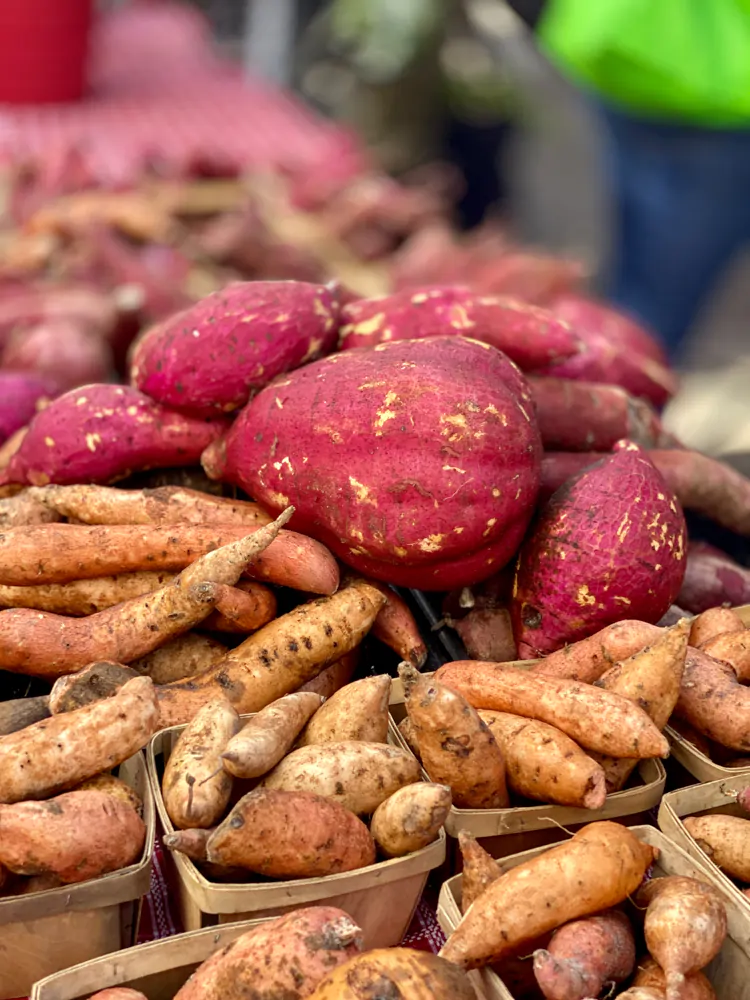
- Sweet potatoes
- Butternut squash
- Pumpkin
- Carrots
- Beets
- Parsnips
- Peas
- Corn (in moderation)
- Turnips
Starchy vegetables are filled with antioxidants and vitamins, so they are good for your immunity and skin. They are also excellent for energy, especially after a workout.
4. Non-Starchy Vegetables (Low-Carb, High-Fiber)
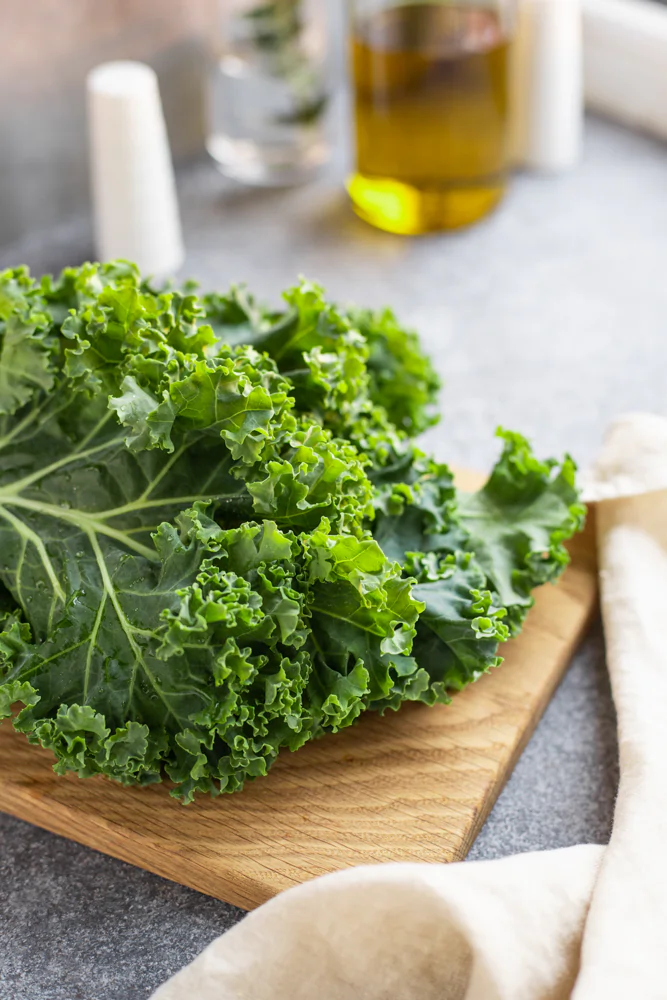
- Spinach
- Kale
- Broccoli
- Cauliflower
- Brussels sprouts
- Cabbage
- Zucchini
- Bell peppers
- Asparagus
- Mushrooms
Non-starchy vegetables have very little calories and are high in fiber, making them excellent for weight loss. They also contain antioxidants, which reduce inflammation.
5. Fruits (Natural Sugars + Fiber = Balanced Carbs)
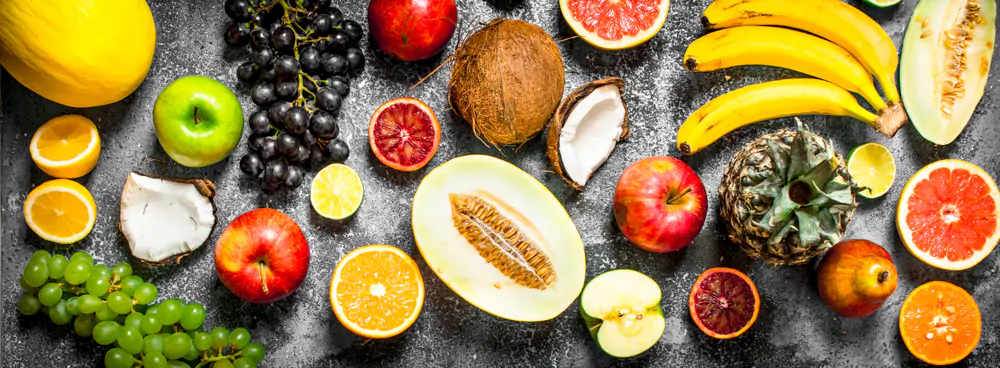
- Apples
- Berries (strawberries, blueberries, raspberries, blackberries)
- Pears
- Oranges
- Grapefruit
- Peaches
- Plums
- Cherries
- Kiwi
- Pomegranate
Fruits are generally rich in fiber, which slows sugar absorption. They also give you vitamins and antioxidants for your skin health and immunity.
6. Nuts & Seeds (Slow-Digesting Energy Sources)
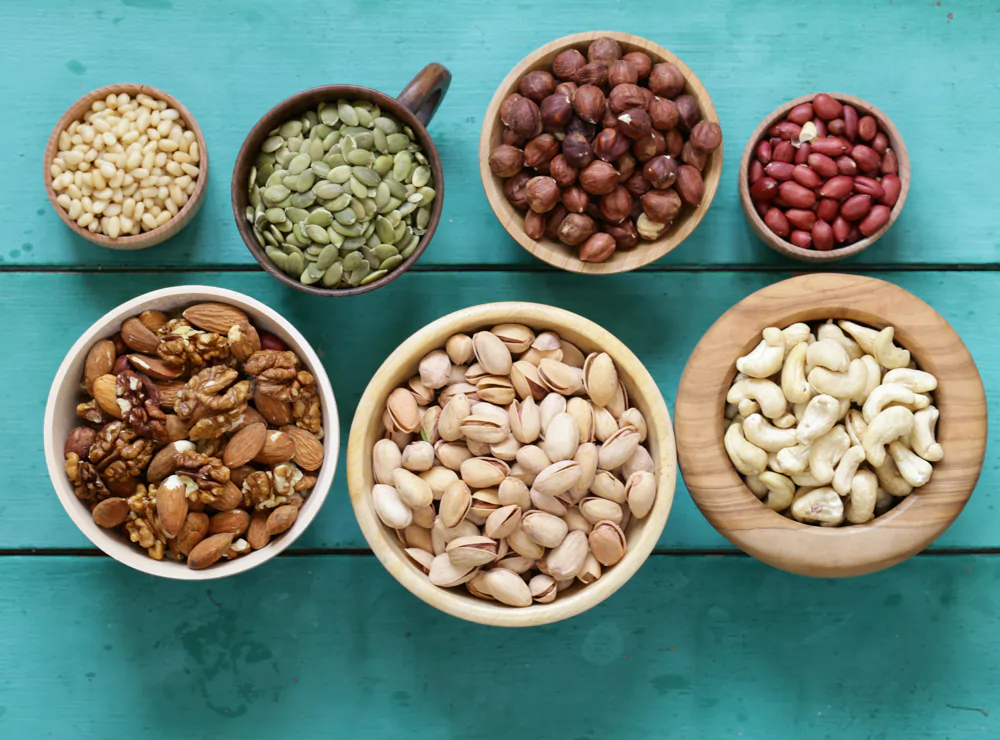
- Almonds
- Walnuts
- Chia seeds
- Flaxseeds
- Sunflower seeds
- Pumpkin seeds
- Cashews
Nuts and seeds have healthy fats and fiber that keep you full for a long time. They also support brain function and boost metabolism.
Simple Carbohydrates (Bad Carbs) – Carbs to Avoid for Weight Management & Blood Sugar Control
These foods are easily digested and spike blood sugar, causing energy crashes and cravings:
1. Refined Grains (Stripped of Fiber & Nutrients)

- White bread
- Bagels
- White rice
- Cornflakes
- Instant oatmeal (flavored)
- White pasta
- Crackers
- Tortillas (made with white flour)
Refined grains have a high glycemic index, which spikes blood sugar quickly. They also don’t have fiber, which makes you hungry fast.
2. Processed & Sugary Foods (Cause Cravings & Energy Crashes)
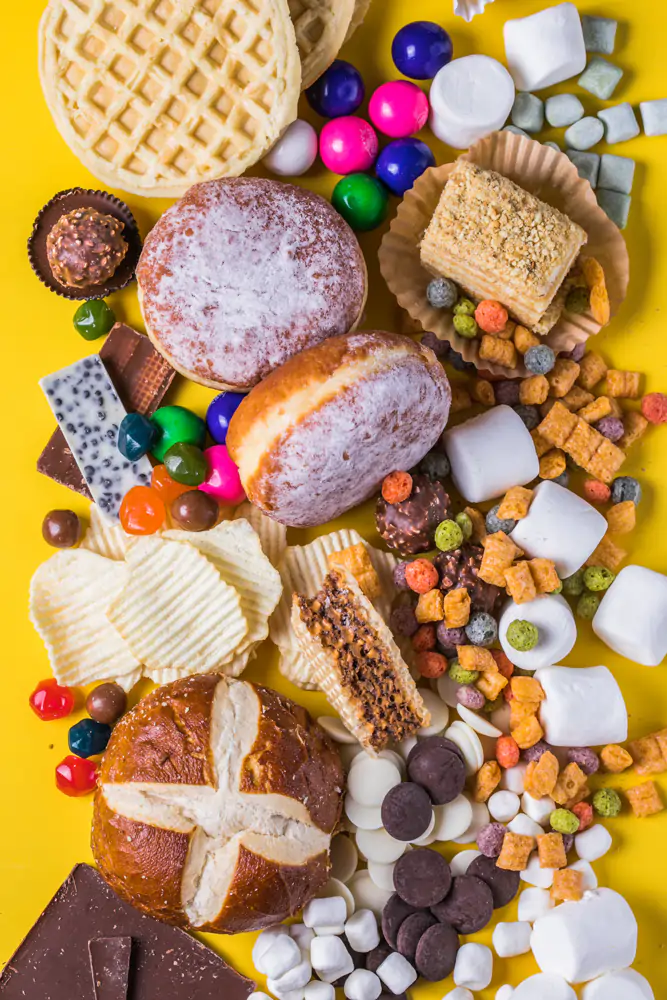
- Candy (gummy bears, Skittles, chocolate bars)
- Pastries (donuts, croissants, muffins)
- Cakes & cookies
- Ice cream (high-sugar varieties)
- Sugary cereals (Frosted Flakes, Lucky Charms)
Processed and sugary foods are dangerous not only because of the sugar addiction and cravings they bring, but also because they lead to insulin resistance, weight gain and belly fat.
3. Sugary Drinks (Worst for Blood Sugar & Fat Gain)

- Soda (Coca-Cola, Sprite, Fanta)
- Energy drinks (Red Bull, Monster)
- Fruit juices (apple, orange, grape – even “natural” ones)
- Sweetened coffee drinks (Frappuccino, caramel macchiato)
These drinks have liquid sugar and no fiber, resulting in immediate sugar spikes. They also cause insulin resistance and belly fat gain.
4. Fast Food & Fried Foods (Unhealthy Carbs + Trans Fats = Bad for Health)
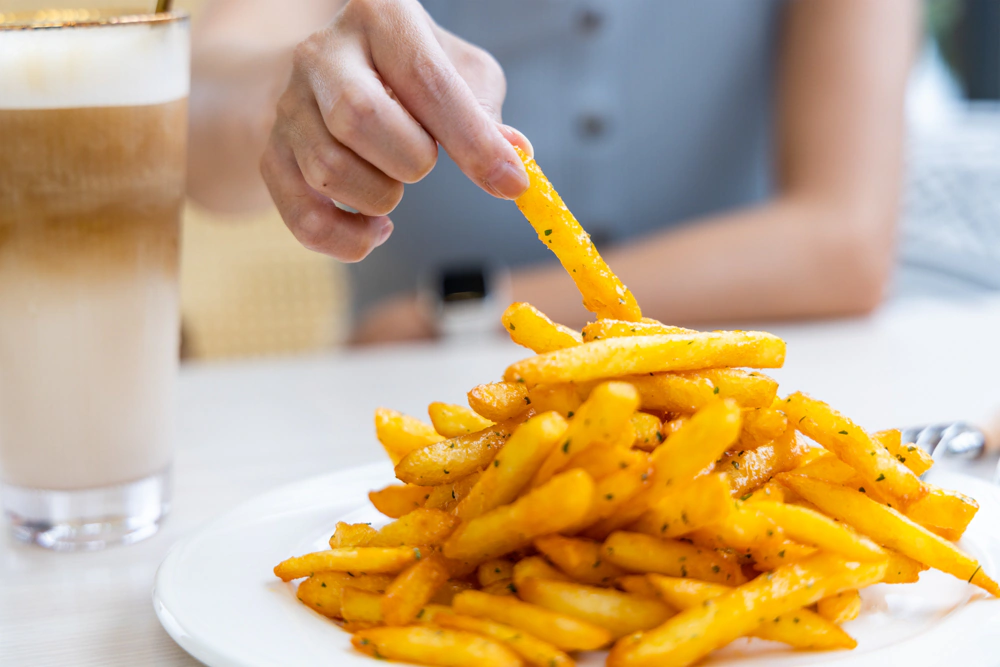
- French fries
- Potato chips
- White burger buns
- Sugary sauces (ketchup, BBQ sauce)
Refined carbs and fried foods have unhealthy carbs and trans fats, leading to weight gain and inflammation.
Now you know which foods (carbs) to eat and which ones to avoid. Yaay!!👏🏼
But how exactly do carbs affect women and men, weight loss or weight gain, and fitness?
How Simple vs. Complex Carbs Affect Women and Men
Women: Hormones, Fertility & Energy Swings
Women undergo hormone fluctuations during menstrual cycles, pregnancy, menopause, or in conditions like PCOS (Polycystic Ovary Syndrome), which affect how they process carbs:
Hormonal Balance & Blood Sugar
Estrogen and progesterone influence insulin sensitivity. During ovulation, sensitivity to insulin increases, and your body processes carbs more efficiently. However, during PMS, cravings increase, and it becomes harder to regulate blood sugar.
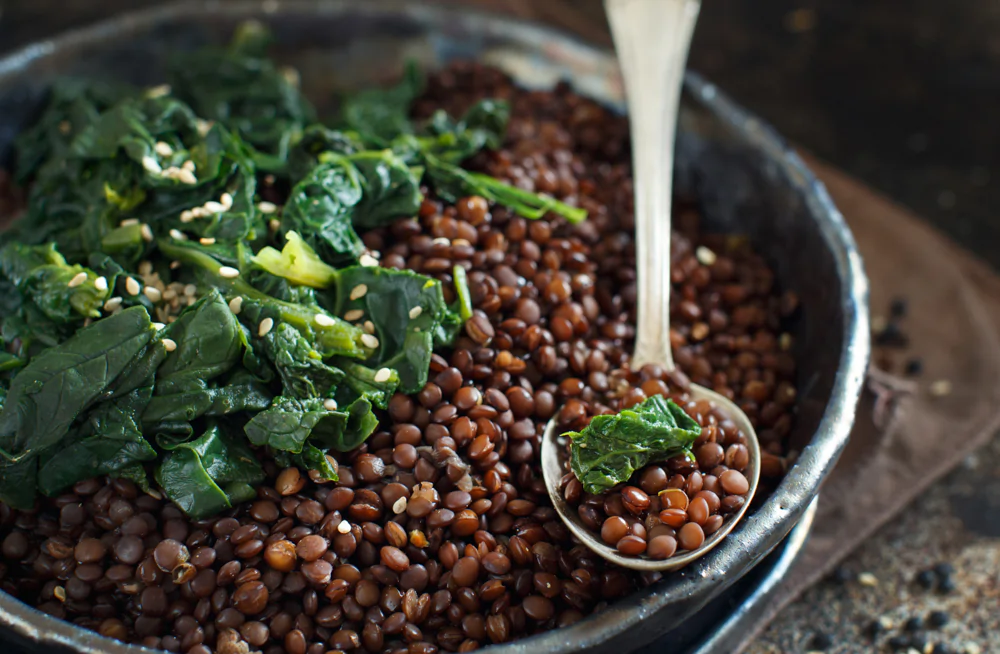
The idea is to eat complex carbs like sweet potatoes and lentils during PMS to curb cravings and stabilize mood and energy.
PCOS & Insulin Resistance
Up to 70% of women with PCOS have insulin resistance. Thus, eating simple carbs will spike insulin and increase inflammation in women with PCOS. However, eating complex carbs will improve insulin sensitivity, regulate periods, and manage weight.
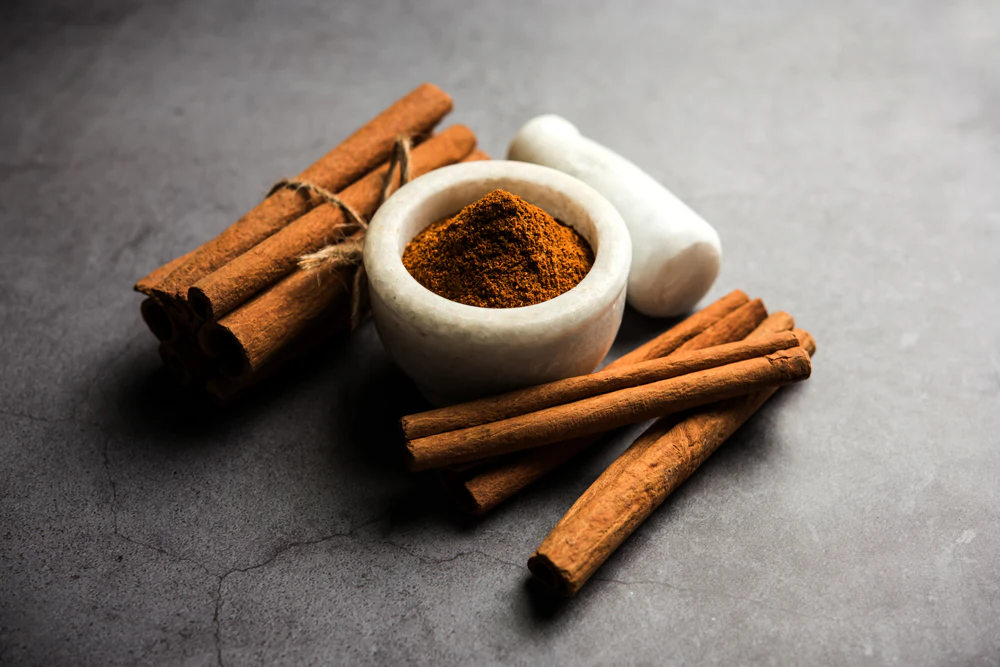
Research shows that adding cinnamon to complex carbs can improve insulin sensitivity by up to 20% in women with PCOS.
Pregnancy & Fertility
Refined carbs diets are usually linked to lower fertility and increased risk of gestational diabetes. In contrast, a Harvard study found women who ate more low-glycemic, high-fiber carbs had a 66% lower chance of infertility than those consuming high-glycemic carbs.
Men: Energy, Muscle & Testosterone
Although men don’t have monthly cycles, their bodies react to different carb types in terms of muscle growth, energy and hormone health.
Testosterone Production
Carbs That Increase Testosterone:
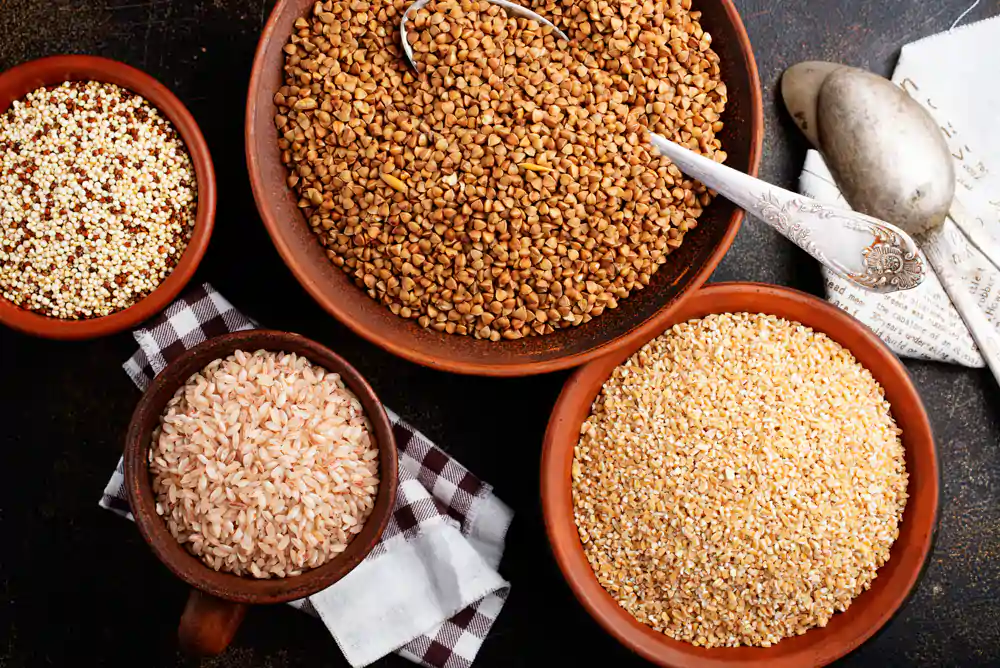
Oats, brown rice, and quinoa provide steady energy for hormone production. Also, zinc-rich carbs like lentils, chickpeas, and beans boost testosterone levels. Lastly, sweet potatoes and carrots contain vitamin A, essential for testosterone synthesis.
Generally, diets rich in fiber from legumes and whole grains support hormonal balance and reduce estrogen dominance in men.
Carbs That Lower Testosterone:
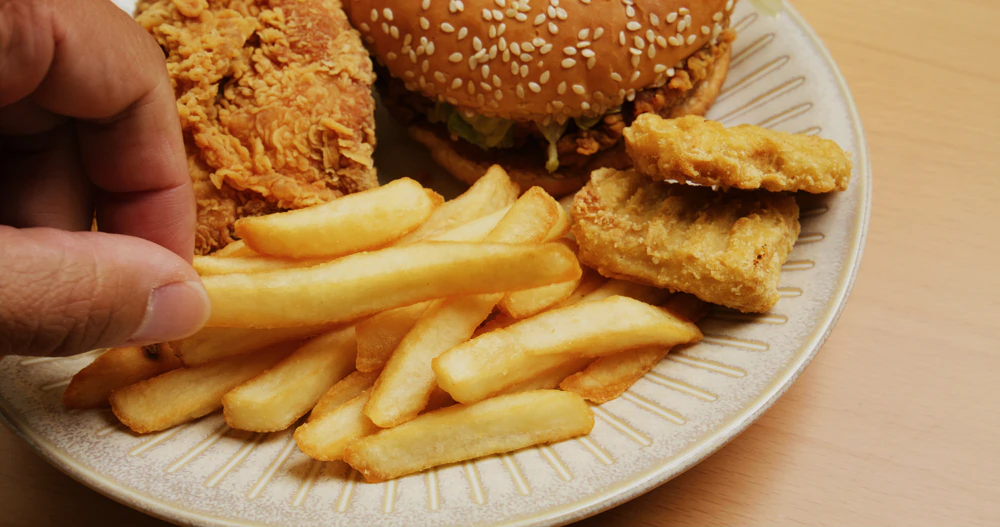
Simple carb diets, especially comprising sugary drinks and processed foods, cause insulin resistance, which lowers testosterone levels.
Similarly, white bread and pastries contribute to belly fat, which produces estrogen. Additionally, soda and junk food are directly associated with low testosterone & reduced sperm quality.
Fun fact: Men who consume too much sugar have significantly lower testosterone levels compared to those with a balanced diet.
Tip: Increase zinc and magnesium (two essential minerals for male hormone health) by swapping out white rice with quinoa or brown rice.
Energy & Muscle Recovery
Complex carbs refill muscle glycogen stores slowly and steadily, while simple carbs can be useful right after a workout to quickly replenish glycogen—when the body is insulin-sensitive.

How Carbs Shape Health: Weight Gain vs. Weight Loss, Gut Health, Cravings, Moods & More
Weight Loss vs. Weight Gain: The Carb Quality Connection
Weight Loss & Fat Burning
The carbs you eat affect your waistline!

Good carbs like lentils, quinoa, oats, and non-starchy vegetables are rich in fiber, which slows digestion and keeps you fuller for longer. However, simple carbs like soda and pastries digest fast, causing blood sugar spikes and crashes that make you hungry. Hunger then leads to overeating. Then fat storage. Hello obesity!
Also, a high-fiber and low-glycemic diet will help you lose more fat and maintain lean muscle mass compared to a low-fat diet. The idea is to increase fiber while reducing calories. Think high-volume, low-calorie complex carbs like roasted veggies, lentil soups, and sweet potato mash.
Best carbs for weight loss: Quinoa, lentils, chickpeas, leafy greens, oatmeal, berries.
Weight Gain (Healthy Bulking)
If you are trying to gain weight (muscle or overall mass), simple carbs combined with protein post-workout will help with muscle recovery and growth. Also, eating complex carbs like whole wheat pasta, brown rice, and sweet potatoes frequently ensures sustained calorie intake without unhealthy fat gain.
Best carbs for healthy weight gain: Whole grains, potatoes, oats, bananas, rice.
Gut Health: How to Feed Your Microbiome Right with Carbs
The carbs you put in your gut impact your mood, weight, immune system, and even skin.
Complex carbs
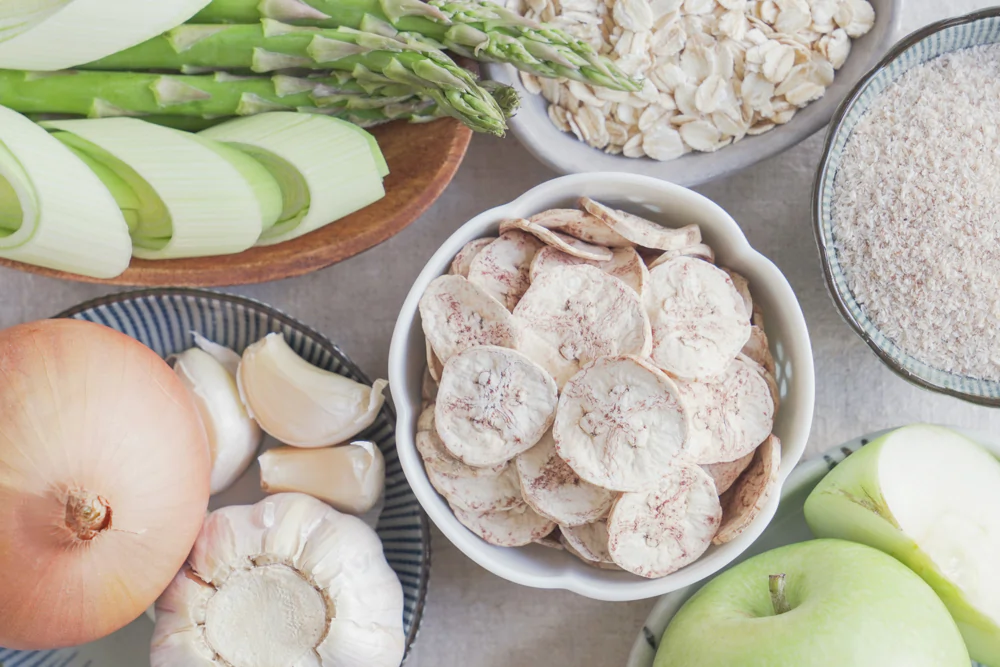
Complex carbs are like fertilizer for your good bacteria. They have prebiotics like inulin in bananas that nourish your microbiome. They also reduce inflammation and prevent constipation by promoting regular bowel movements.
Complex carbs also prevent conditions like IBS and Crohn’s disease.
If digestive issues are the enemy, then every time you eat fiber, you feed your gut’s peacekeeping army!
Simple carbs
Refined sugars increase harmful bacteria like Candida and bad gut microbes, leading to bloating, gas, and digestive issues.
Bad carbs are also associated with leaky gut syndrome, where harmful substances pass through the intestinal lining into the bloodstream, as well as IBS (Irritable Bowel Syndrome) and inflammation.
In fact, studies show that high sugar and low fiber diets reduce microbiome diversity, causing obesity, depression, and autoimmune diseases.
Cravings & Hunger: “Why Do I Always Feel Hungry?”
So, you are craving something sweet, cookies? Or a little cereal at midnight? That’s a blood sugar crash!
Simple Carbs & Cravings:
You know that voice that’s usually like “I want food NOW!”? That’s ghrelin, your hunger hormone.
The reason why some people struggle with cravings and overeating is because simple carbs cause quick insulin spikes, which lead to sugar crashes and intense hunger shortly after eating.
Simple carbs increase ghrelin (hunger hormone), making you crave more food. Plus, carbs in sweet, refined sugars can cause addiction, like drugs, because they increase dopamine (the pleasure chemical in the body).

Complex carbs and Satiety:
As mentioned earlier, complex carbs provide slow-digesting fiber, keeping you full longer. They also regulate leptin, your satiety hormone, reducing overeating and unnecessary snacking.
So, eating complex carbs will reduce sweet cravings naturally by keeping your blood sugar stable.
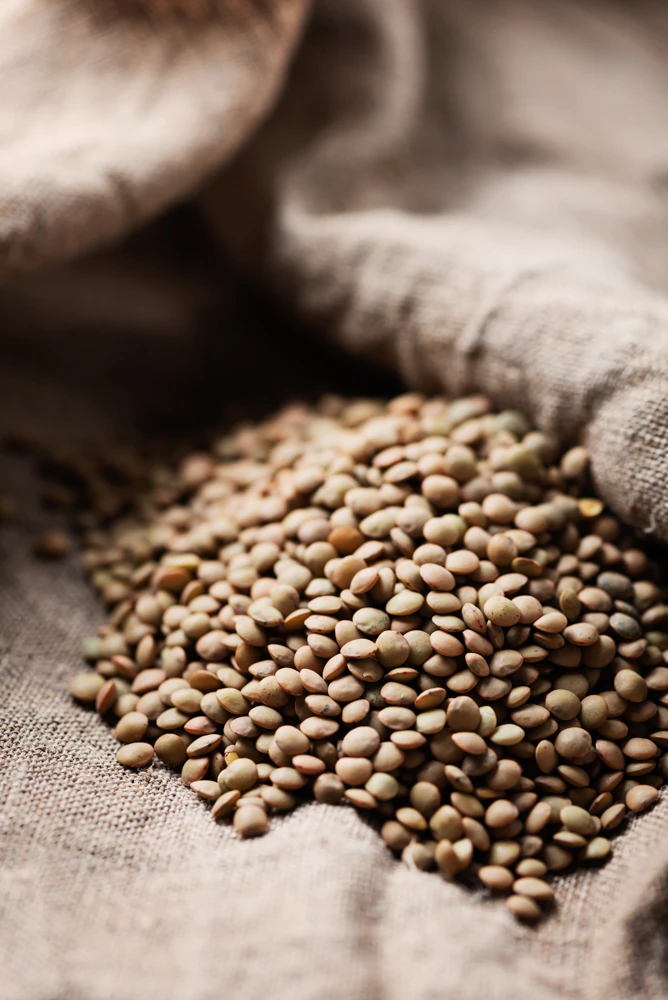
If you struggle with cravings, take this as a sign and switch from sweet, sugary snacks to fiber-rich options like lentils, brown rice, and nuts.
The Role of Carbs in Mood, Anxiety & Depression
It turns out that having moods and throwing tantrums at your boyfriend might have something to do with what you eat and not entirely the stupid things he does. Before you come for me, let me explain:
Carbs affect your moods and mental health! And your brain, which consumes about 20% of your daily energy loves stable glucose levels! So, when you eat bad carbs, your blood sugar spikes & crashes, leading to irritability and mood swings.
Eating simple carbs even triggers anxiety by raising your cortisol (stress hormone) levels. Also, high-sugar diets are linked with a higher risk of depression!

However, complex carbs give you a steady supply of glucose, improving focus and emotional stability. They also help produce serotonin, the happiness hormone, which regulates mood and sleep.
Also, whole carbs like quinoa and sweet potatoes have vitamin B, which reduces stress and anxiety.
Hidden Carbs, Carb Timing & How to Transition Without Feeling Deprived
Hidden Simple Carbs in “Healthy” Foods
A lot of foods that are marketed as being “clean,” “organic,” or “natural” are actually filled with added sugars and refined carbs. So, while trying to eat clean, here is where you might go wrong:
Common Sneaky Sources of Simple Carbs:
- Granola bars – These often have more sugar than a candy bar
- Flavored yoghurts – Some have sugar of up to 22g/cup
- Smoothie bowls – The fruit, juice, and honey are a sugar overload
- Store-bought sauces, salad dressings, and soups – ketchup, BBQ sauce, etc., and even salad dressings are sweetened
- “Whole wheat” breads – Sometimes have white flour with molasses added for color

Tip: Check ingredients for the following simple carbs: sucrose, fructose, dextrose, maltose, evaporated cane juice, and corn syrup or high-fructose corn syrup.
You are looking for 5g or less of added sugar per serving; even better if it has 3g+ of fiber to help slow digestion.
The Best Timing for Eating Carbs
It’s not just what you eat, even when matters. Carb timing, a secret for most athletes, can help you manage your energy, weight, cravings and moods.
When to Eat Most of Your Carbs:
Morning (or early afternoon): Your body is at its most insulin-efficient at this time; it processes carbs more efficiently.
Before a workout (1-2 hours before): To maintain or gain muscle mass, eating carbs before a workout will fuel your performance and reduce muscle breakdown.
Best time for: Banana + nut butter or rice cakes + hummus
After a workout: Simple carbs can help replenish glycogen and boost recovery.
Best time for: Smoothie with fruit + protein, or sweet potato + chicken

Avoid late-night simple carbs: The body stores excess carbs as fat when you’re inactive or nearing sleep.
How to Transition from Simple to Complex Carbs (Without Feeling Deprived!)
Step 1: Start with Breakfast
Replace sugary cereal or white toast with oatmeal, eggs with whole-grain toast, or a smoothie with chia/flax.
Step 2: Swap One Staple at a Time
Don’t change everything at once. Try switching from:
- White rice to brown rice or quinoa
- White bread to 100% whole grain or sprouted grain
- Pasta to lentil or chickpea pasta
Step 3: Add, Don’t Just Take Away
Instead of focusing on what you are taking away, add in more:
- Roasted veggies with olive oil
- Lentil soups or bean-based stews
- Fresh fruit & nuts as snacks
Step 4: Hydrate & Manage Cravings
Expect cravings as you reduce sugar. Stay hydrated and get enough sleep. You should also plan balanced meals with protein + fiber to reduce the cravings.
Step 5: Keep Sweetness, Change the Source
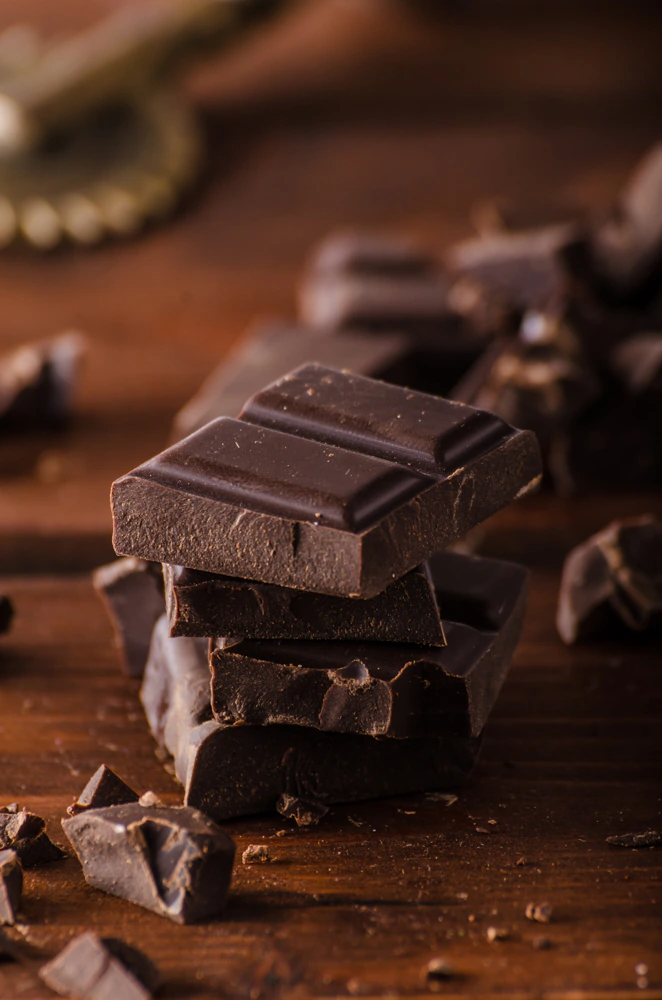
Dessert, right? Try dates and almond butter, baked apples with cinnamon or dark chocolate (85%+ cocoa).
That’s it for simple and complex carbs. You can check out more about carbs below. I would love to hear any questions or feedback you have:)