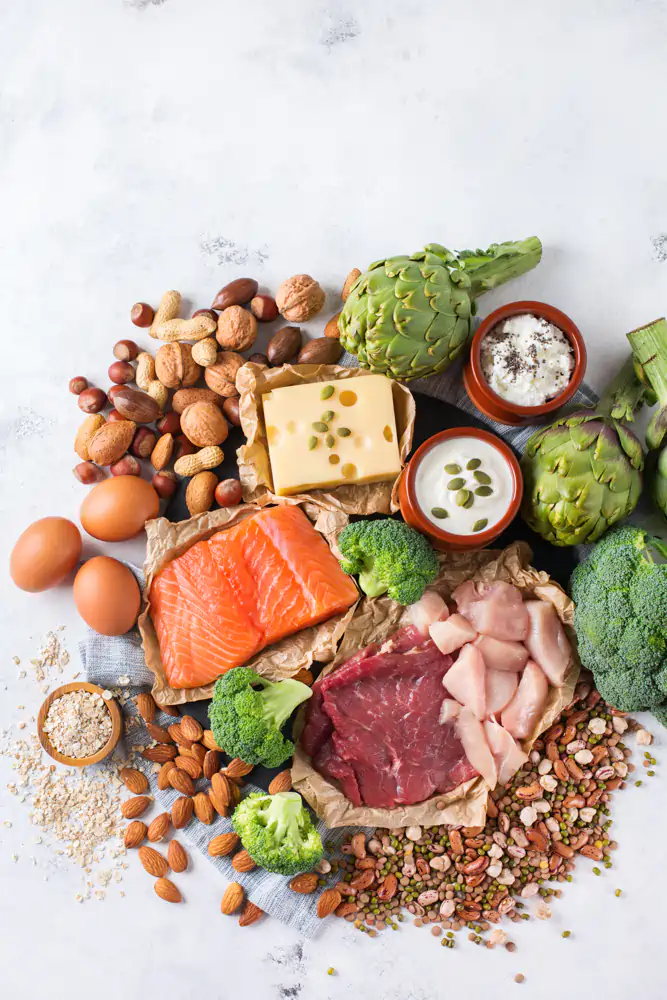
Anti-Inflammatory Diet: 7 Best Anti-Inflammation Foods & Meal Plan
If you always feel bloated, tired, or have achy joints, you could have inflammation. While inflammation in the short term helps the body heal, long-term inflammation could lead to arthritis, obesity, and heart disease. That’s why you need an anti-inflammatory diet.
Let’s chop it up.
What Is an Anti-Inflammatory Diet?
An anti-inflammatory diet consists of foods that calm inflammation, while avoiding those that trigger it.
It is quite similar to the Mediterranean diet, only that the anti-inflammatory diet is mostly for people with autoimmune issues, arthritis, or anyone who wants to feel lighter and more energized.
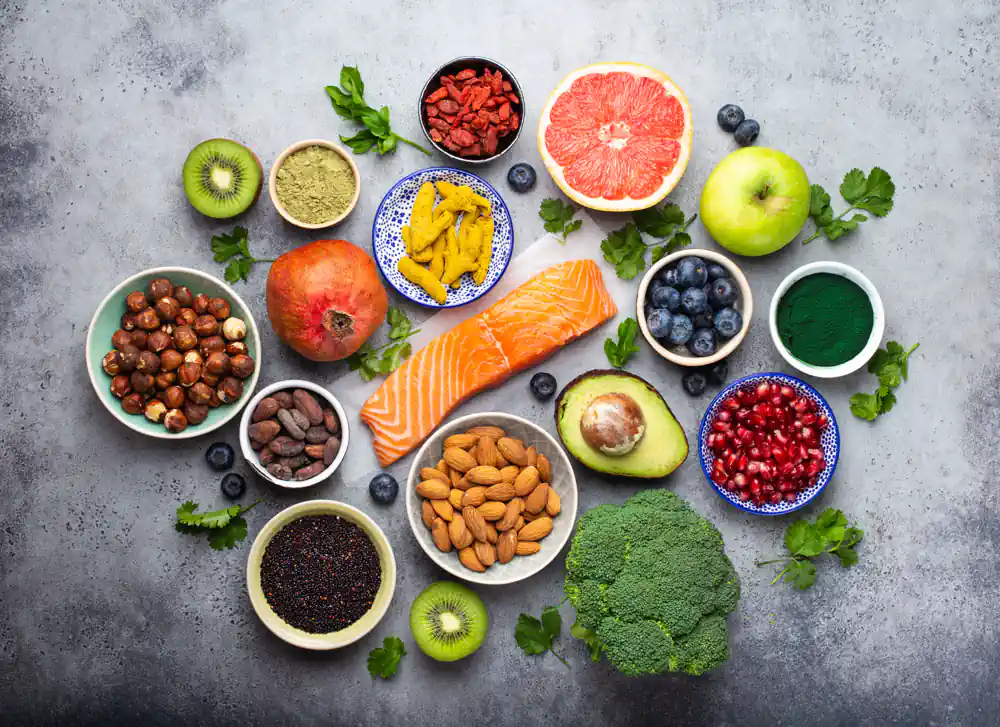
Best Anti-Inflammatory Foods to Eat
When it comes to inflammation, different foods have different effects. Some foods increase inflammation, while others ease it.
Here are some of the foods that calm inflammation naturally:
1. Fruits
Fruits have antioxidants, fiber, and vitamins, making them one of the best choices for dealing with inflammation.
You want these fruits in your diet:
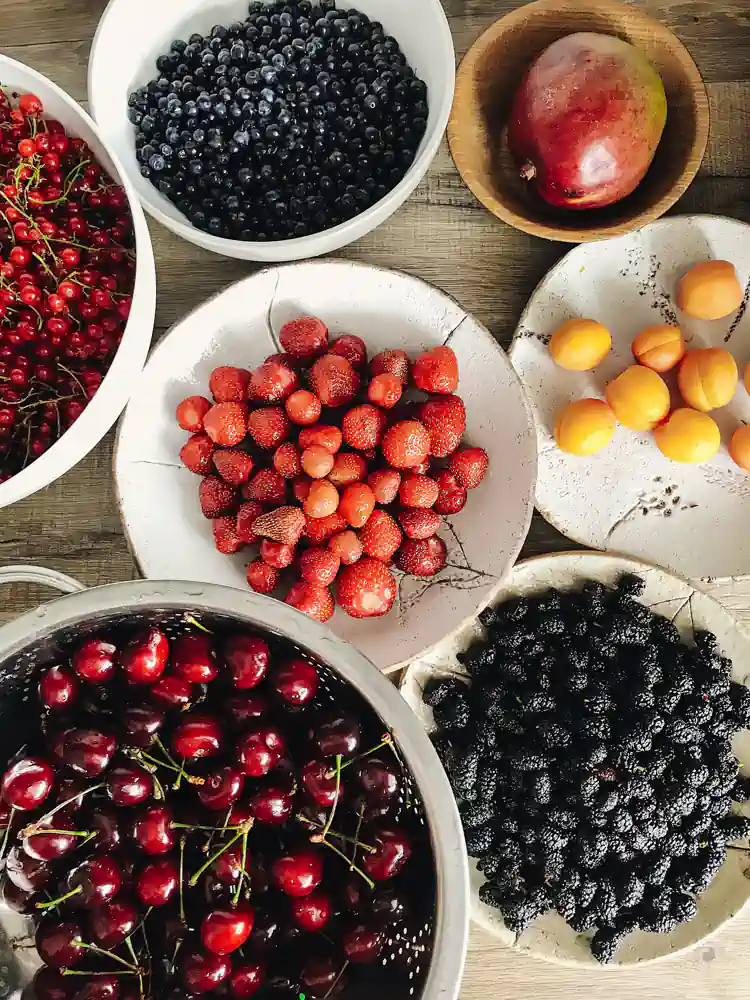
Berries
Berries like blueberries, strawberries, and raspberries have anthocyanins that fight inflammation.
Citrus Fruits
Oranges, lemons, and grapefruit have Vitamin C and flavonoids with anti-inflammatory and antioxidant properties.
Cherries and grapes
Studies show that cherries lower inflammation markers.
2. Vegetables
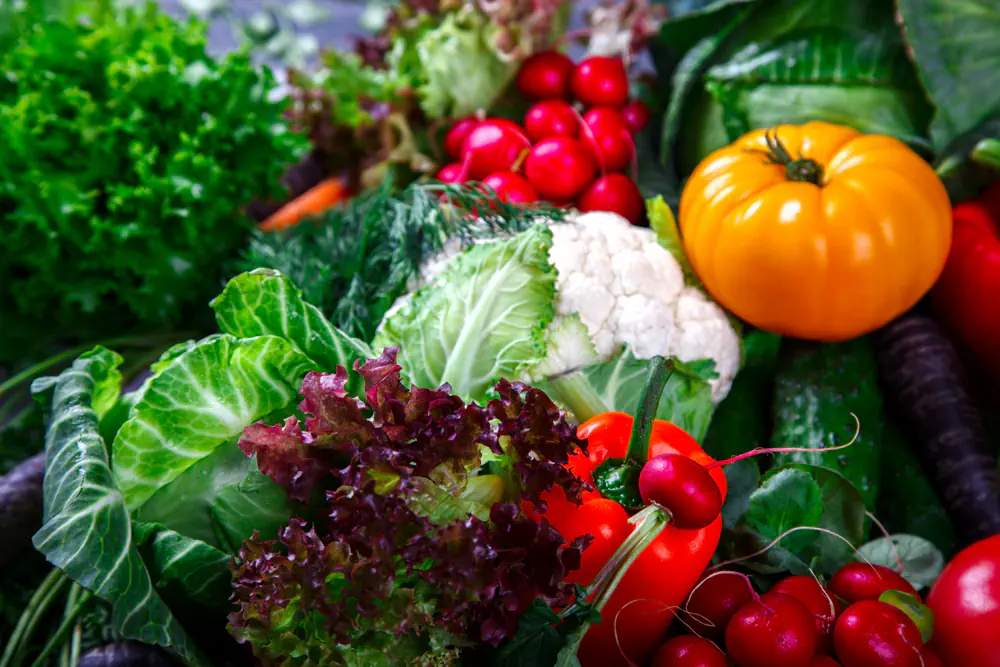
Veggies are non-negotiable if you want to make your diet anti-inflammatory.
Include:
Leafy greens
Veggies like kale and spinach have Vitamin K, which is known to lower inflammation.
Cruciferous veggies
Broccoli, cauliflower, and Brussels sprouts have sulphorane, an anti-inflammatory compound.
Peppers
Red and yellow peppers have Vitamin C and antioxidant properties.
3. Healthy Fats
This post contains affiliate links. I may earn a small commission, at no extra cost to you.
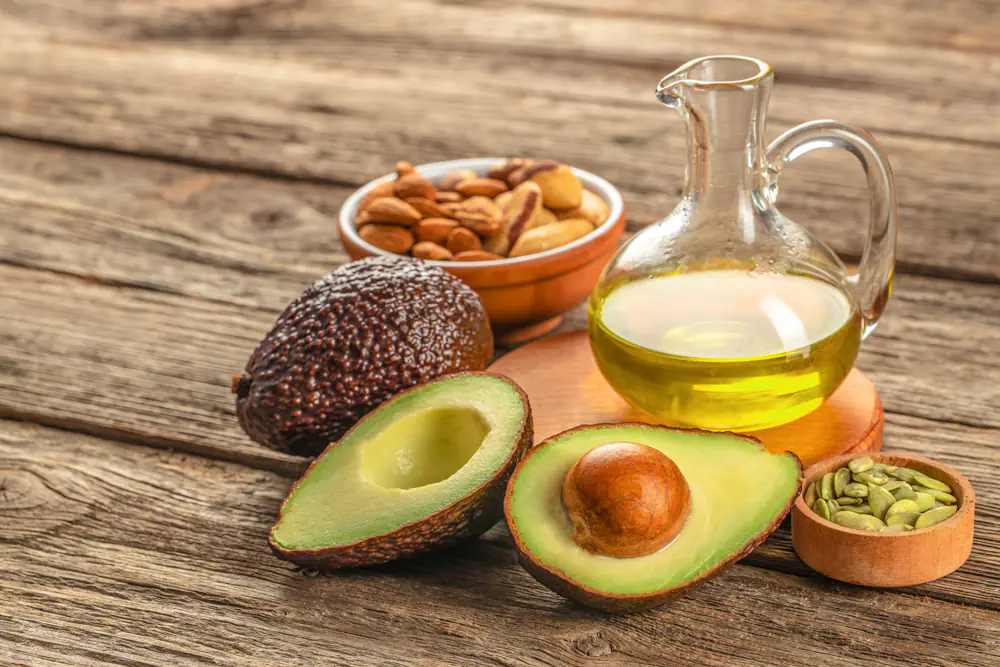
Healthy fats are good for lowering inflammation. They also enhance brain and heart health.
You can get healthy fats in:
Extra virgin olive oil
Extra virgin olive oil, a Mediterranean diet staple, has proven anti-inflammatory benefits.
Avocados
These contain magnesium and unsaturated fats.
Nuts and seeds
Walnuts, almonds, chia, and flaxseeds will give you fiber and omega-3s.
4. Whole Grains
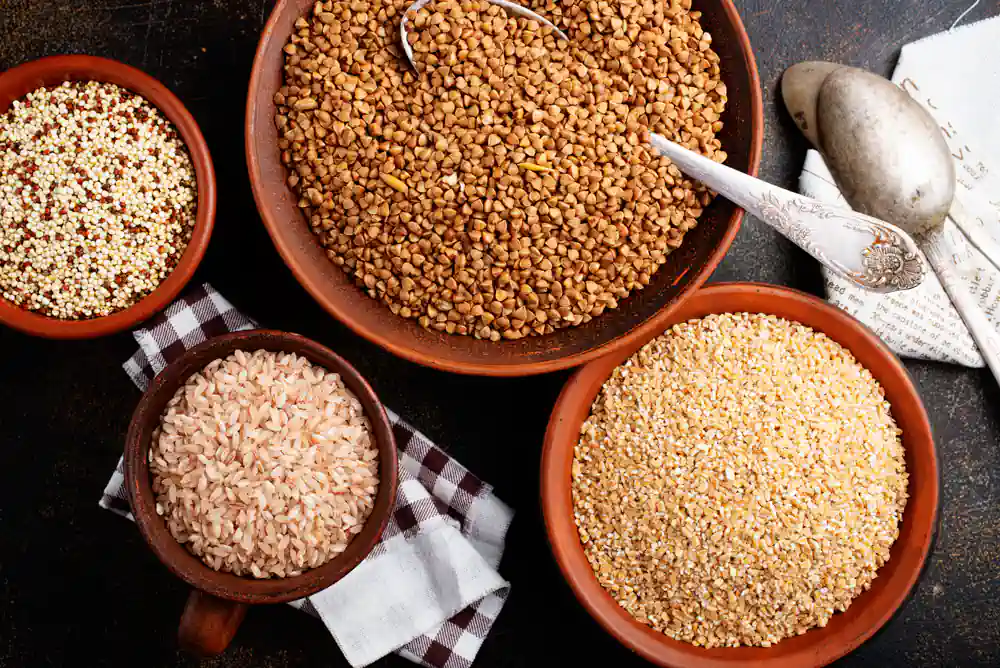
While refined carbs cause inflammation, whole grains do the opposite by feeding good bacteria.
Add:
Quinoa
This is high-protein and also gluten-free.
Oats
Oats are rich in fiber, which regulates blood sugar.
Brown rice and barley
Barley and brown rice are good alternatives to refined grains.
5. Protein
When trying to calm inflammation, your protein source will matter. You want to go for:
Fatty Fish
Fatty fish like salmon, sardines, tuna, and mackerel are some of the top anti-inflammatory foods because they give you omega-3 fatty acids.
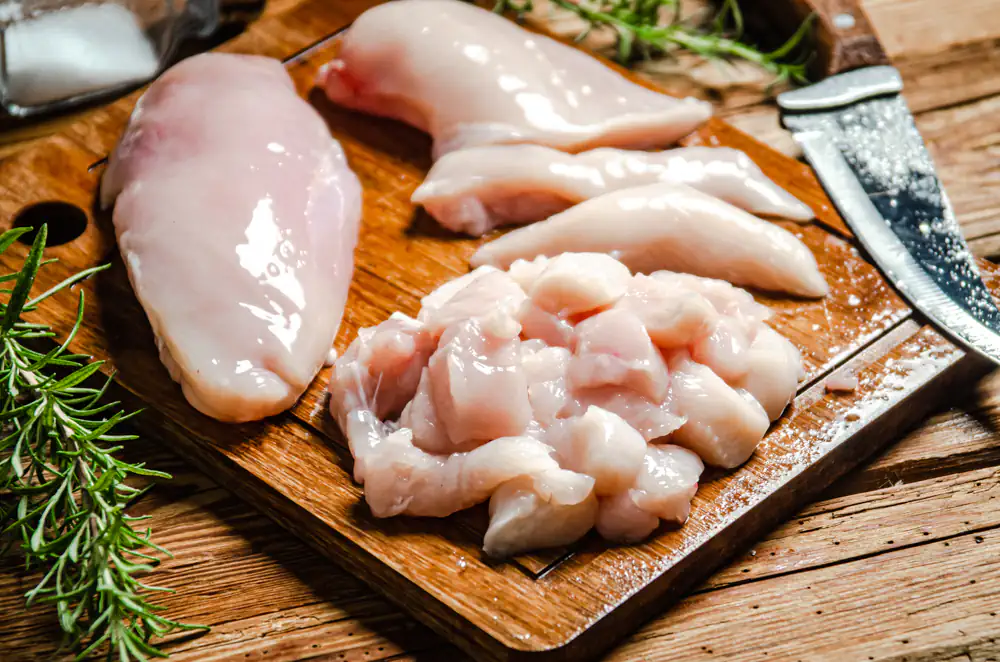
Lean Poultry
Chicken and turkey give you protein without saturated fat that triggers inflammation, as in red meat.
Beans and Lentils
Plant-based protein usually has fiber and antioxidants that fight inflammation.
6. Herbs & Spices
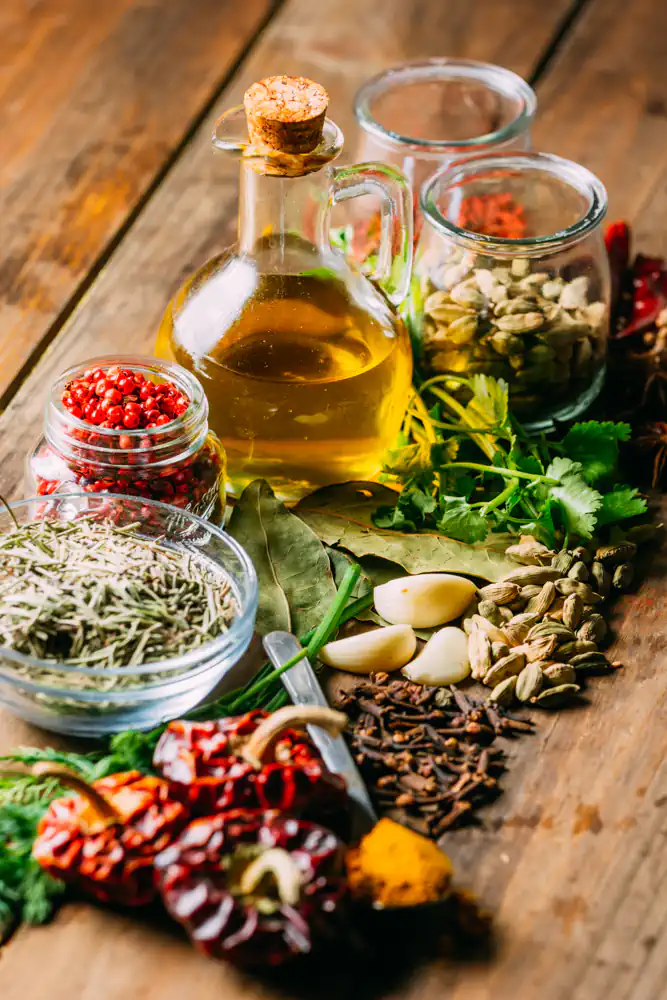
Apart from adding flavor to your food, spices are some of the most powerful anti-inflammatory ingredients. Here is a list of spices that calm inflammation:
Turmeric
Turmeric contains curcumin, one of the strongest natural anti-inflammatory agents.
Garlic
Garlic reduces inflammation and builds immunity too.
Ginger
Ginger calms inflammation and helps with digestion.
Cinnamon
A pinch of cinnamon in your scrambled eggs or smoothies will help regulate your blood sugar, besides easing inflammation.
7. Beverages
Food aside, what you drink also influences your rate of inflammation. You wanna drink:
Herbal teas
Herbal teas like chamomile, turmeric and ginger soothe your stress, sleep and digestion on top of calming inflammation.
Green tea
Has catechins and antioxidants that deal with inflammation.
Water
Hydration keeps your metabolism working smoothly.

Foods That Cause Inflammation
The same way some foods cool inflammation, others make it worse. You can eat them occasionally, but you want to make sure they are not your staples.
Here are the foods to limit or avoid to lower your inflammation:
1. Processed meats
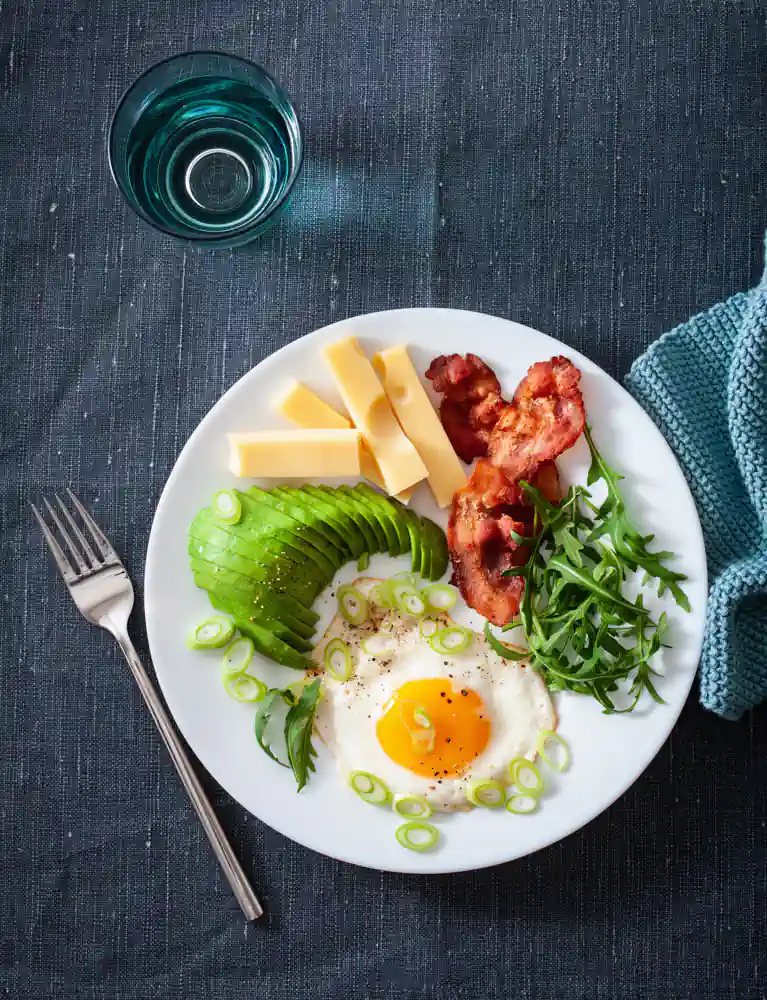
Like bacon, sausages, hot dogs, and deli meats. They contain trans fats, AGEs, and preservatives, which are inflammation triggers.

2. Refined Carbs
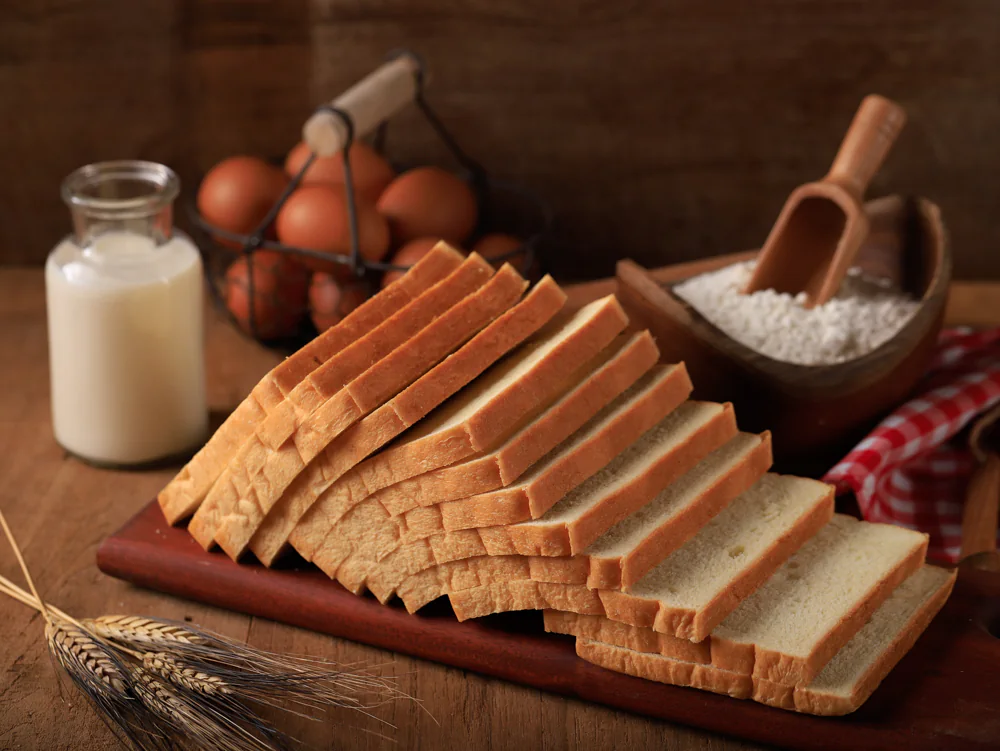
You also want to stay away from white bread, pastries and sugary cereals. These are simple carbs with no fiber, so they spike your blood sugar and cause inflammation.
3. Fried foods
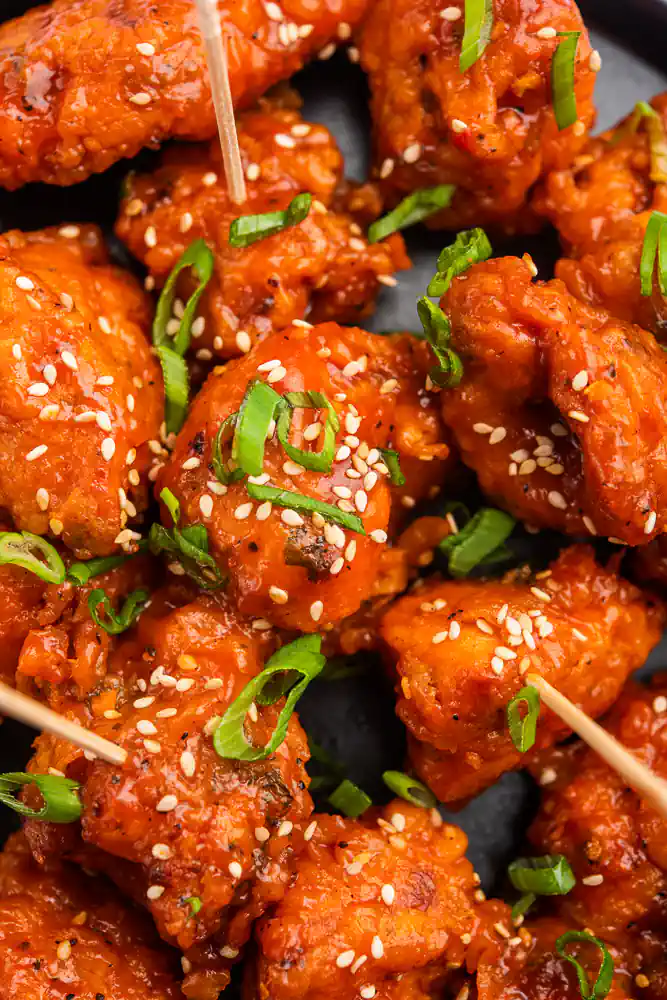
KFC (or your fave fried food) slaps! But you want to avoid or limit it because it has trans fats, which lead to oxidative stress and inflammation.
4. Sugary Drinks
Soda, candy, energy drinks, and packaged desserts are some of the best ways to increase your inflammation. They cause insulin resistance and chronic inflammation.

5. Excess alcohol
1 Timothy 5:23: No longer drink only water, but use a little wine for the sake of your stomach and your frequent ailments.
Moderate alcohol is okay. However, too much stresses your liver and triggers inflammation.
6. Trans fats
Trans fats in margarine, baked foods, and junk cause systemic inflammation.
7-Day Anti-Inflammatory Meal Plan
Get the Meal Plan
Enter your email below to receive our free 7-day anti-inflammatory meal plan delivered to your inbox.

Lifestyle Tips to Support an Anti-Inflammatory Diet
An anti-inflammatory diet goes beyond food. Some habits can calm inflammation. Here are some lifestyle tips for anti-inflammation:
Exercise or move your body regularly
Get at least 30 minutes of exercise daily by walking, swimming or yoga. This will reduce inflammation and boost your mood.

Enough quality sleep
7-9 hours of quality sleep regulates your hormones and heals your body.
Hydrate
Water removes toxins from your body, helping it to function optimally.

Maintain a healthy weight
Extra belly fat leads to chronic inflammation.
Connect socially
Positive interaction and relationships lower stress-related inflammation.

Limit alcohol and smoking
Alcohol and smoking are triggers of inflammation.
FAQs About the Anti-Inflammatory Diet
Conclusion
An anti-inflammatory diet involves colorful fruits, veggies, healthy fats, lean proteins, and whole grains. These, combined with positive lifestyle habits like regular, adequate sleep, exercise, and stress management, will lower inflammation.