Paleo Diet For Beginners: Complete Food List & How To Start
If you like your food natural; without additives, sweeteners, or chemicals disguised as food, then the paleo diet is definitely for you.
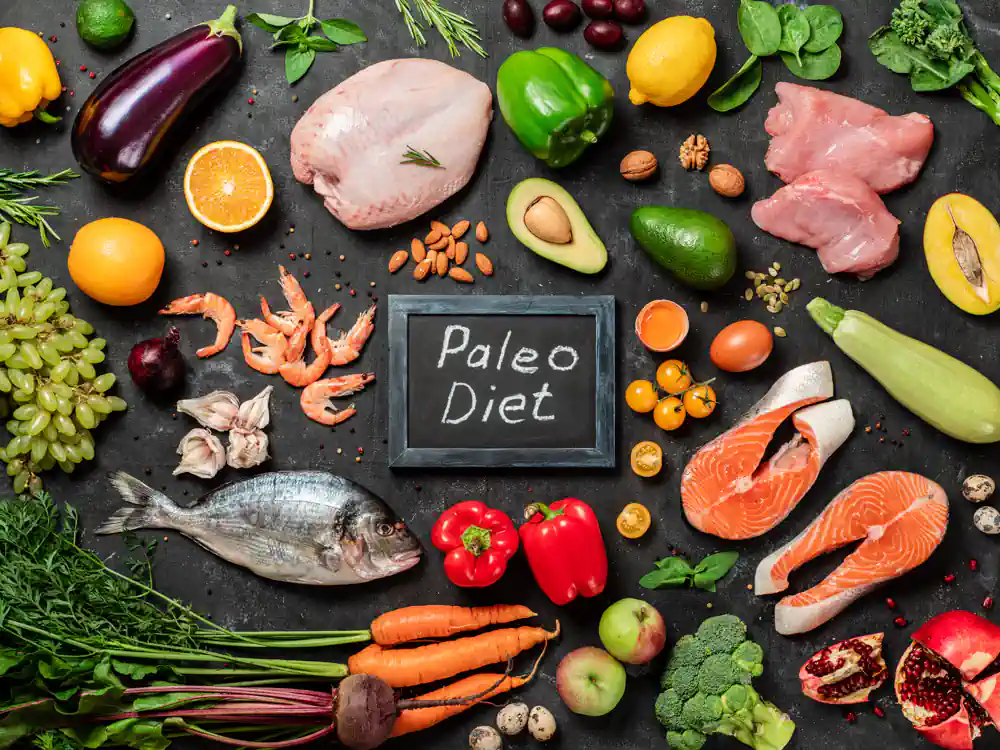
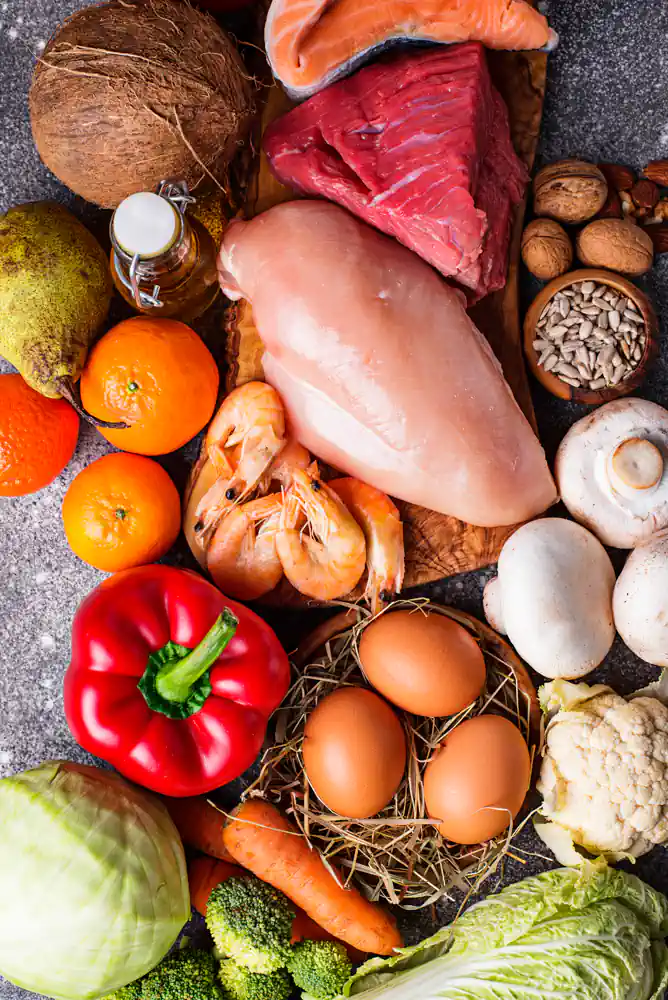
Sometimes called the caveman diet, Paleo involves eating how our hunter-gatherer ancestors ate in the Paleolithic era (10,000 to 3 million years ago).It consists of lots of lean meat, fish, nuts, fruits, vegetables, and healthy fats, while avoiding processed, refined, and sweetened foods. Basically, in the paleo diet, you eat ‘real’ food and stay away from additives.
Let’s break down the paleo diet: food list, paleo health benefits, risks, how paleo compares to other diets, and how you can start.
Paleo Diet Basics
Proponents of this ‘Stone Age diet’ believe that the human body is meant for whole, unprocessed foods instead of grains or artificial ingredients and sugars found in modern meals. The idea is that the latter causes inflammation and chronic diseases.
Paleo recommends:
- Whole foods like meats, fish, nuts, fruits, veggies, and healthy fats.
- Natural instead of processed
- Quality ingredients like grass-fed meat and wild-caught fish.
- Avoiding grains, legumes, dairy, refined sugar, and industrial seed oils, which only became famous after farming evolved.
Versions of paleo
Strict paleo follows ancestral eating habits strictly, while Modern or Modified paleo includes foods such as potatoes, ghee, sweeteners, and coffee, which are a paleo gray area.
Paleo Diet Complete Food List
If you are wondering “what do I eat on paleo?”, here is the complete paleo food list:
Foods to Eat on the Paleo Diet
Protein/Quality Meats
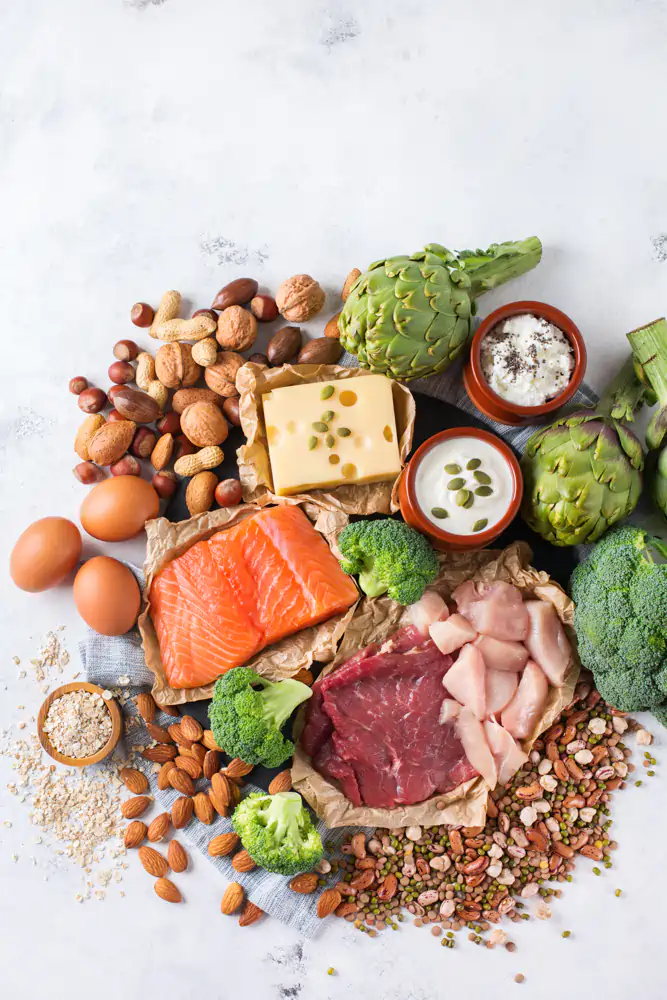
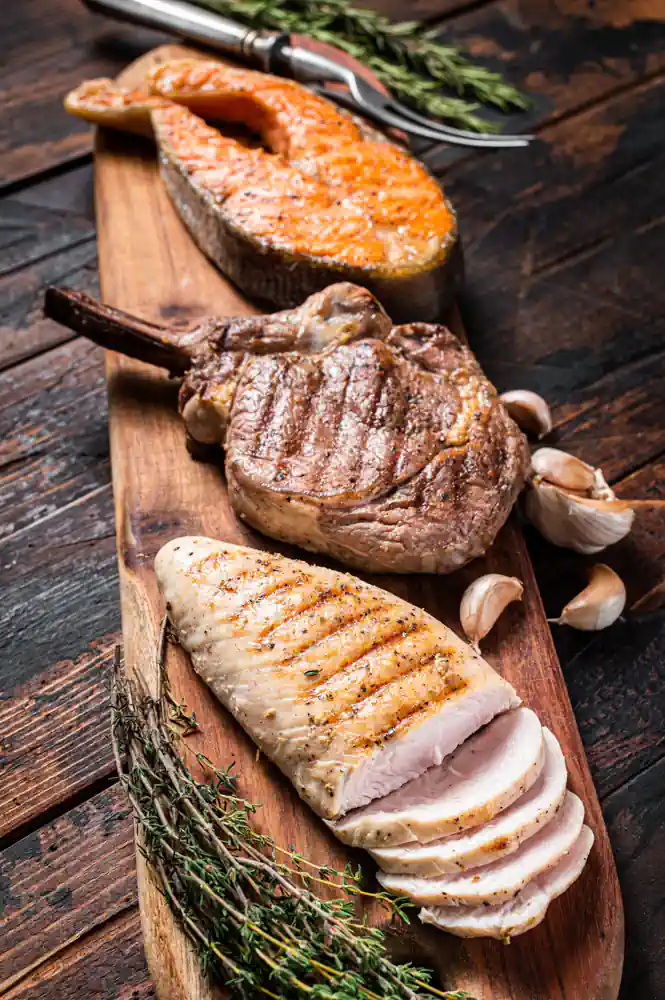
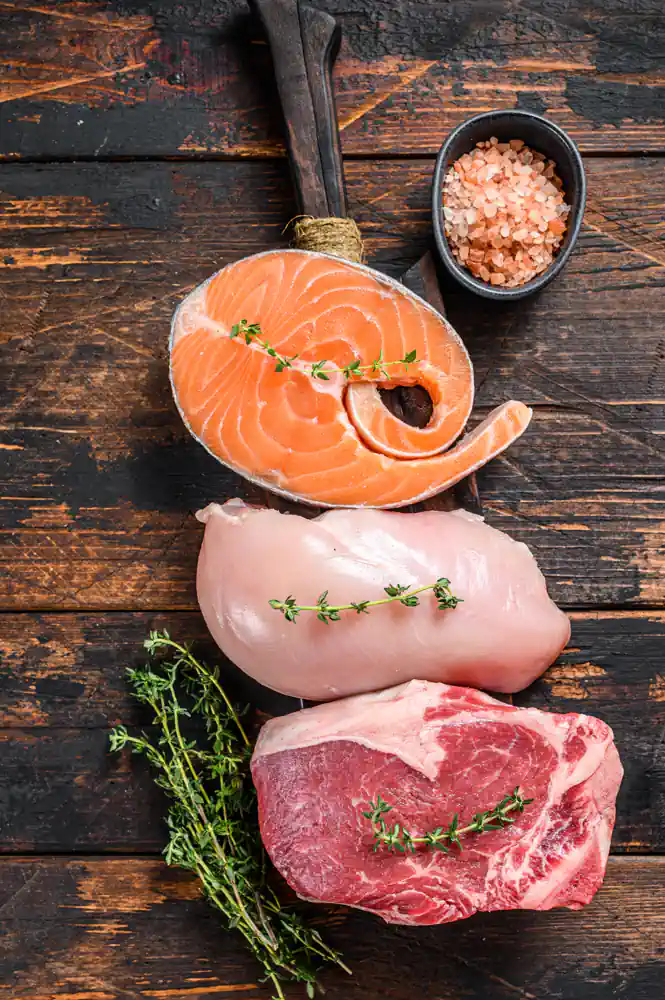
Grass-fed beef, bison, lamb, pork, free-range chicken, and turkey, wild-caught salmon, tuna, mackerel, sardines, and pasture-raised eggs.
Vegetables
Kale, spinach, arugula, broccoli, cauliflower, Brussels sprouts, carrots, beets, turnips, sweet potatoes, peppers, mushrooms, and asparagus.
Fruits
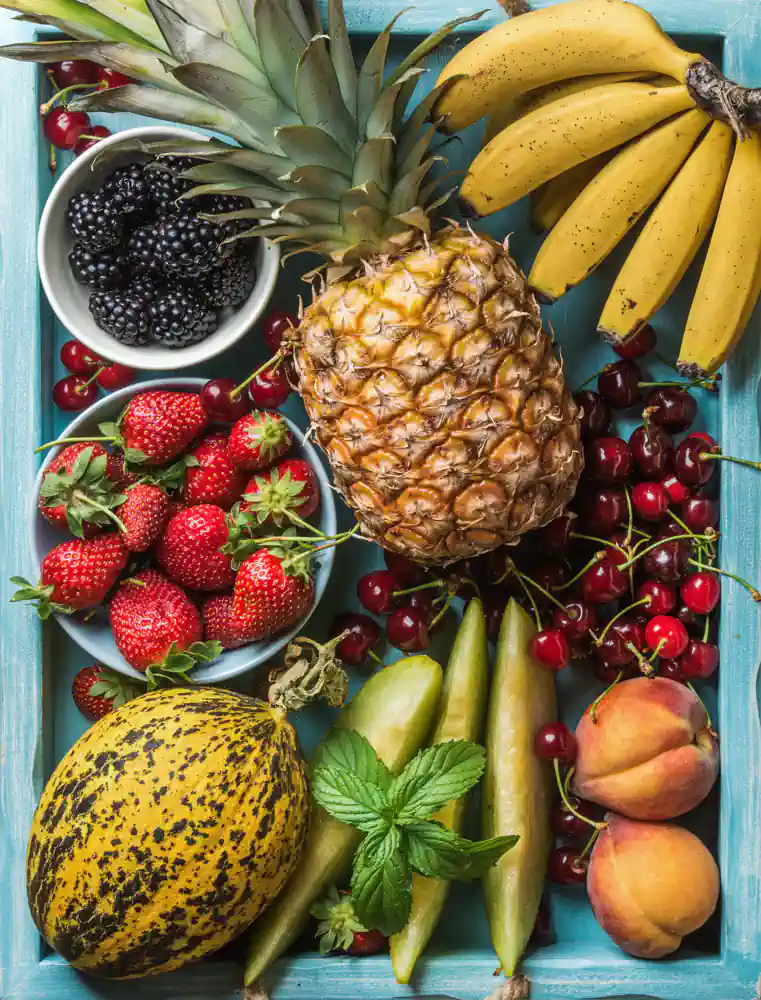
Berries, Apples, pears, oranges, bananas, avocado, melons, mangoes, grapes, and figs.
Healthy Fats & Oils
Olive oil, avocado oil, coconut oil, and grass-fed animal fat.
Nuts & Seeds
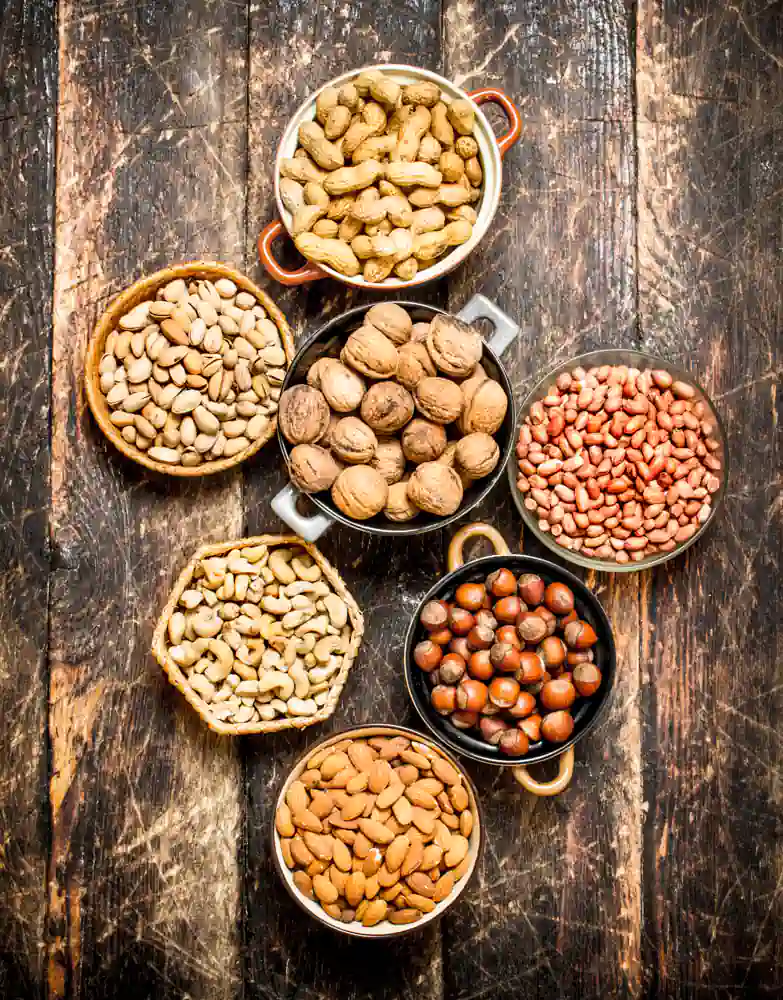
Almonds, walnuts, cashews, macadamia nuts, pumpkin seeds, sunflower seeds, chia seeds, flaxseeds, and more.
Herbs & Spices
Basil, cilantro, parsley, rosemary, turmeric, cinnamon, garlic, ginger, and black pepper.
Foods to Avoid on Paleo
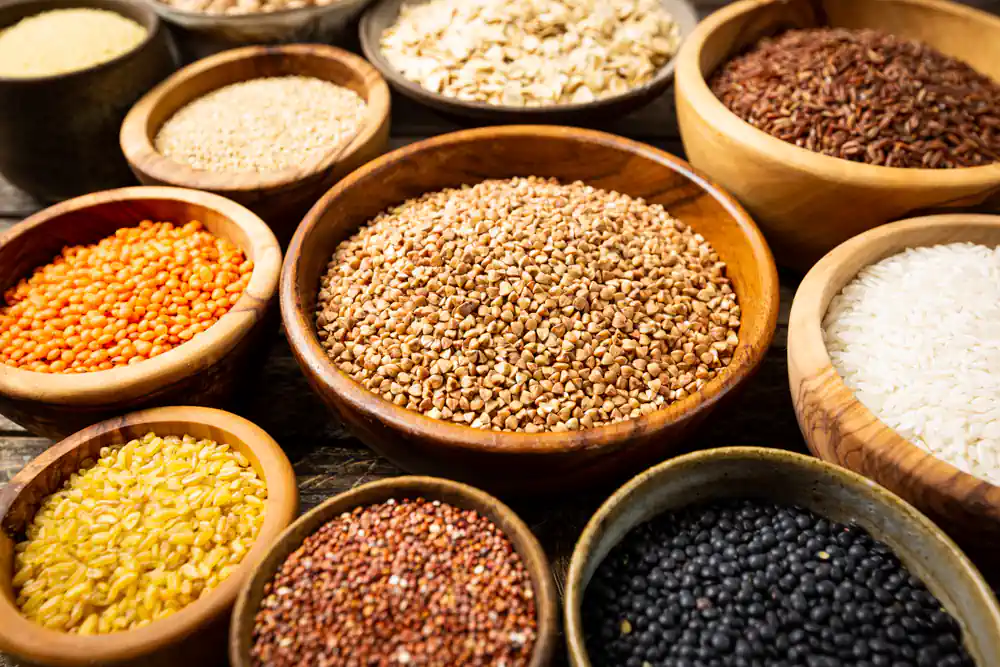
Grains
Wheat, rice, oats, barley, corn, all kinds of breads, pasta, and cereals.
Legumes
All kinds of beans (black beans, kidney beans, lentils, chickpeas), peanuts, and soy products (soy milk, edamame, etc.)
Dairy
Milk, cheese, yogurt, and cream.
Processed & refined foods
Any packaged snacks, chips, cookies, candy, junk, frozen meals, or foods with additives and preservatives.

Refined Sugar & Sweeteners
Basically, all kinds of sugars, including white sugar, brown sugar, corn syrup, and artificial sweeteners.
Margarine and refined oils
Like soybean oil, sunflower oil, safflower oil, and vegetable oils.
Paleo “Gray Area” Foods
How strict do you want your paleo to be? Some foods are highly debated by paleo followers:
White potatoes are avoided in strict paleo, and allowed in modified/modern paleo. Ghee is also accepted since it’s low in lactose. Natural sweeteners like honey, dates, and maple syrup are considered fine if you eat them in moderation.
What to drink on the paleo diet
This post may contain affiliate links. I may earn a small commission at no extra cost to you.
Water is your go-to drink on the paleo diet.
Teas like green tea and coffee are not ancestral, but they are widely accepted because they have antioxidants with numerous health benefits.

Paleo Diet Meal Plan
Get a 7-Day Paleo Diet Meal Plan
Enter your email below to receive your free meal plan delivered to your inbox.
Health Benefits of the Paleo Diet
The paleo diet has remained one of the most popular diets because people notice certain improvements when they switch to paleo:
1. Weight Loss & Better Body Composition
Since paleo is based on whole foods and avoiding processed and refined foods, it naturally helps you reduce your calorie intake. So, if you were eating processed foods previously, you can expect to lose weight and get a better muscle-to-fat ratio when you switch to paleo.
2. Improved Blood Sugar Control
Especially for people with insulin resistance and type 2 diabetes, paleo helps stabilize sugar levels because it cuts out refined carbs.
3. Reduced Inflammation
Paleo cuts out foods that drive inflammation, like processed foods, seed oils, and excess sugar. Often paleo followers notice clearer skin, reduced joint pain, and better overall health.
4. Better digestion
Removing dairy, gluten, and legumes, which are known to cause bloating and other digestive issues, improves your gut health and digestion. You can notice gas, cramping, and IBS calming down.
5. Higher Energy Levels
The paleo diet consists of nutrient-dense protein, healthy fats, and fresh vegetables. These give you consistent energy throughout the day as opposed to afternoon crashes.
6. Simpler Eating
Instead of counting calories, paleo focuses on quality foods. This removes the fatigue of tracking calories and makes paleo more of a lifestyle and not a diet.

Risks and Downsides of the Paleo Diet
Although paleo consists of healthy whole foods, it has a few setbacks:
1. Possible Nutrient Gaps
Because paleo does not include grains, which are nutrient-dense and high-fiber foods, it may be difficult to get enough calcium and vitamin D. Thus, it might be a good idea to go for modified paleo or add dishes such as bone broth to your paleo diet to get the missing nutrients.
2. High-Quality Ingredients are Expensive
Buying grass-fed beef and wild-caught fish can be costly. This is one of he main problems that paleo beginners report.
3. Restrictive and Hard to Sustain
Removing entire food groups like grains, dairy, and legumes might be too much for some people. Also, social situations like dining out and traveling can get tricky when you are trying to stick to a strict paleo diet.
4. No Long-term Research
Short-term studies show that paleo leads to weight loss and improved health. However, there are still few long-term studies to completely rule out unseen paleo problems.
Paleo Diet vs. Other Diets
If you are wondering how paleo compares to other diets, here’s how:
Paleo vs. Keto
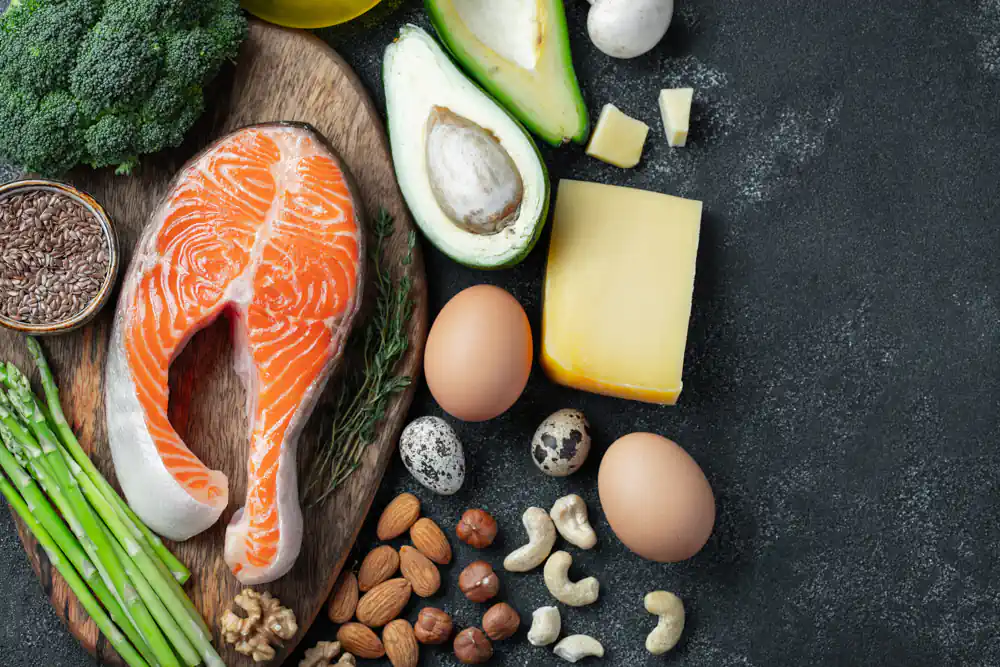
Both paleo and the ketogenic diet involve eating whole foods and cutting out processed foods, sugars and grains. However, keto is a stricter type of low-carb diet, while paleo allows fruits, starchy vegetables, and more carbs.
Basically, paleo is better for beginners, while keto is for people looking for a fast way to lose weight or people who choose keto for medical reasons.
Paleo vs. Whole30
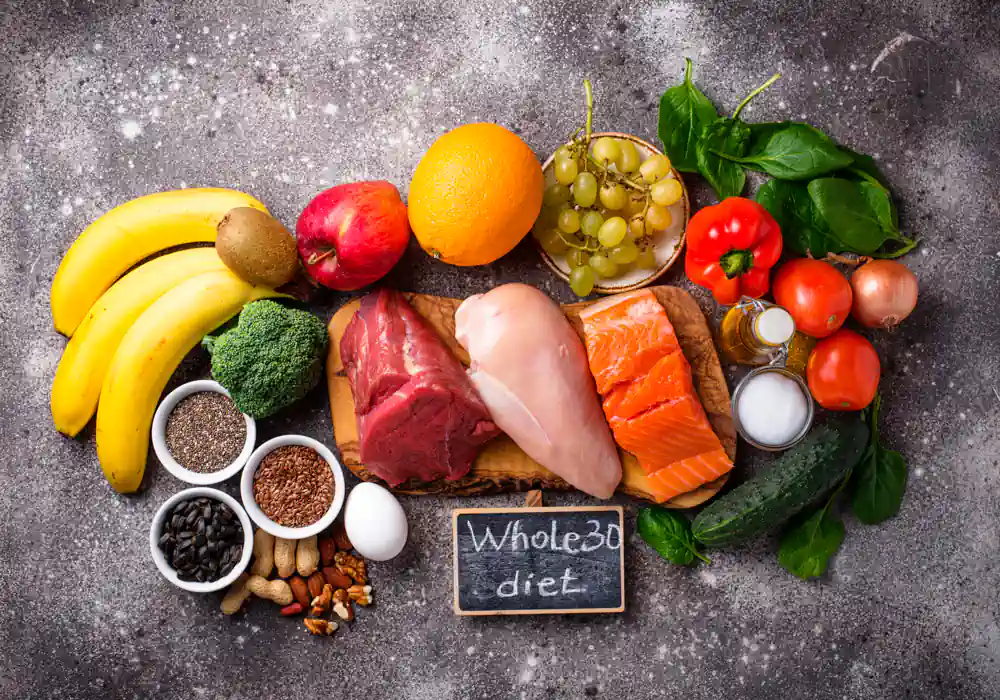
Paleo and Whole30 diets concentrate on whole foods while doing away with grains, dairy, legumes, and processed foods.
However, the Whole30 diet involves removing inflammatory foods from your diet over a 30-day period to reset your eating and know your sensitivities.
Paleo vs. Mediterranean Diet
Both the paleo and the Mediterranean diet encourage you to eat healthy fats like fish, nuts, olive oil, plus fresh produce and lean protein. The only difference is that the Mediterranean diet allows whole grains, legumes, and dairy like yogurt and cheese.
How to Start the Paleo Diet
It’s easy to start the paleo diet. Here are a few steps to get you started on paleo:
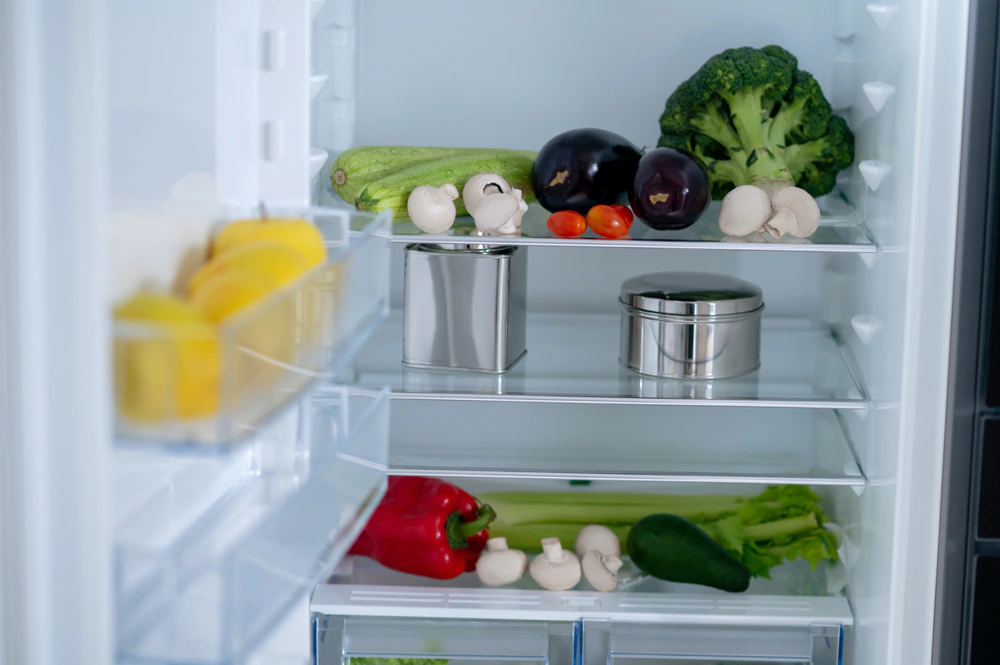
1. Clean out your fridge and pantry
You want to remove all processed foods. You can donate them if you don’t want them going to waste.

2. Stock paleo staples
You want to then get meats, vegetables, fruits, nuts, and healthy oils. Having hard-boiled eggs and precut veggies is usually great for busy days.
3. Plan simple paleo meals
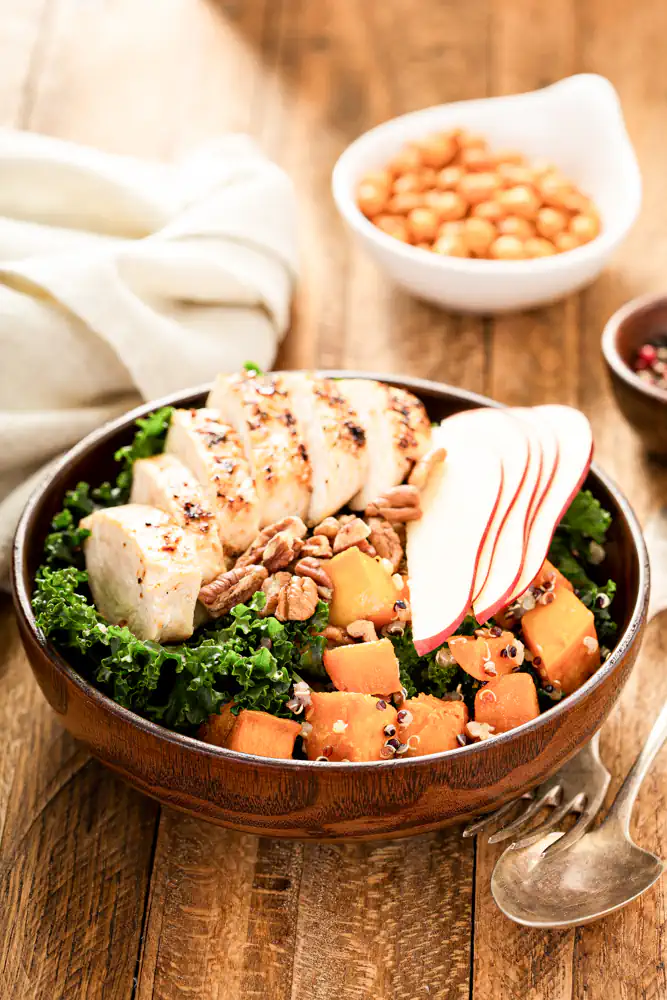
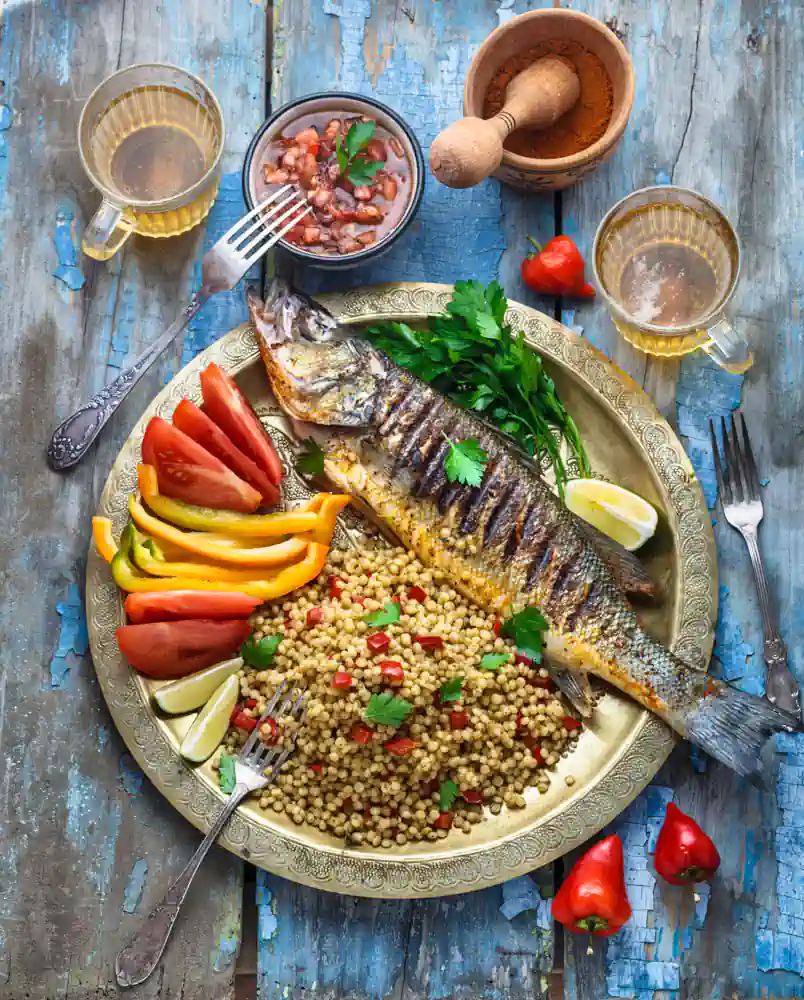
A paleo plate usually has:
- Protein (chicken, fish, beef, or eggs)
- Veggies (half your plate)
- Healthy fats like avocado, olive oil and nuts
- Fruits
4. Decide on strict vs modified paleo
You can either start by going all in on paleo, or you can switch gradually by removing processed foods first, then grains, and eventually dairy.
5. Prepare for when you eat out
For eating out, you want to look for restaurants with grilled meats, plus salads and veggie side dishes. Avoid places known for junk, breads and creamy sauces. Also, it is okay to ask for substitutions.
Frequently Asked Questions About the Paleo Diet
Conclusion
Basically, paleo is about eating whole and nutrient-dense foods while staying away from processed foods. It’s great for weight loss, eating clean, better energy and lowering inflammation.