Clean Eating Food List for Beginners: 50 Foods + 7-Day Meal Plan
Are you trying to eat healthy and not sure which foods exactly to eat? This clean eating food list for beginners has 50+ clean foods and gives you a 7-day clean eating meal plan.
While most foods sold today have sweeteners and artificial ingredients, clean eating is still possible and simple. It involves eating whole, minimally processed foods like fruits, vegetables, lean proteins, and whole grains, as well as reducing added sugars, unhealthy fats, and preservatives.
Here is a simple clean eating food list for beginners to help you know which foods to eat or avoid in your clean eating diet. You also get a 7-day clean eating meal plan, a clean eating grocery list, and tips on how to start eating clean today.
What is Clean Eating?
Clean eating is a dietary approach that involves eating whole, minimally processed foods that are as close to their natural state as possible. Instead of heavily processed foods with artificial ingredients and sweeteners, you go for real nutrient dense foods that nourish your body.
What is “Clean” Food?
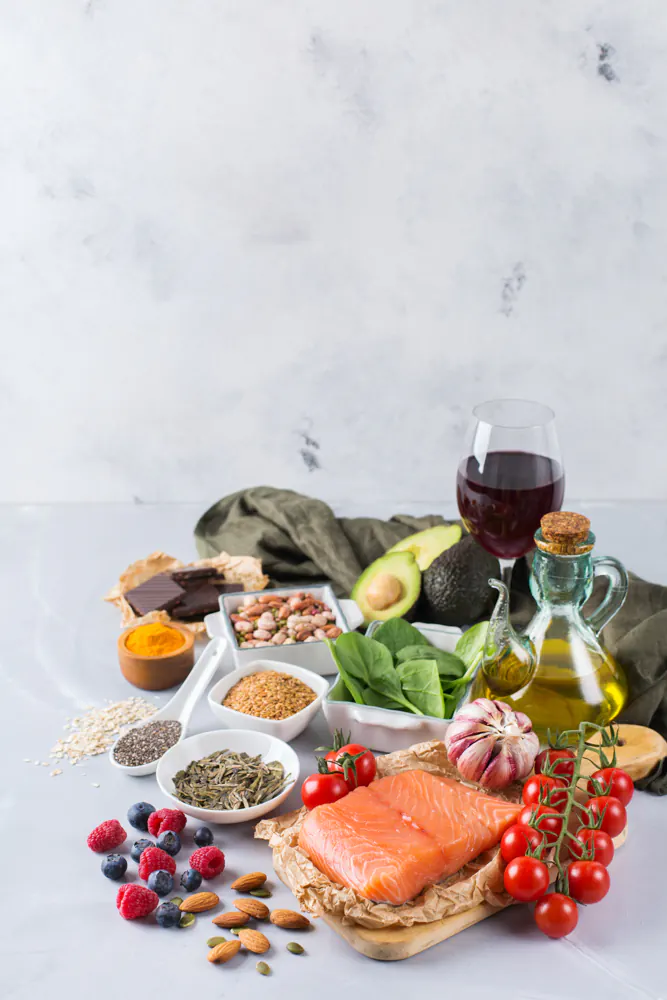
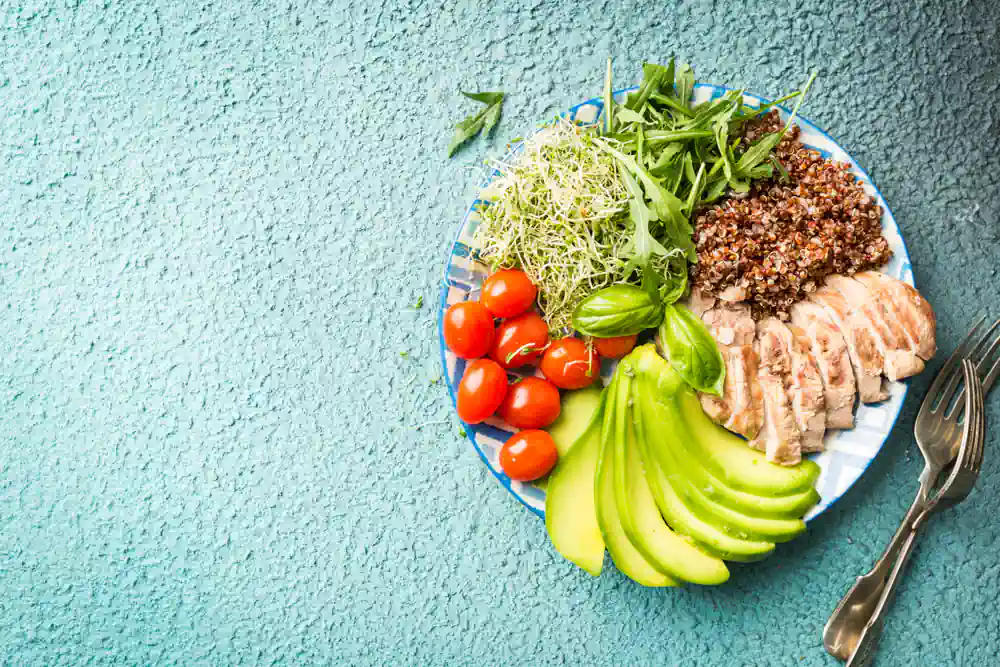
Clean foods include whole, minimally processed nutrient dense foods like:
- Fresh fruits and vegetables
- Lean protein like eggs, chicken, fish, and lean meat
- Whole grains like oats, quinoa, and brown rice
- Healthy fats like nuts, seeds, avocado, and olive oil
These foods are rich in fiber, protein, healthy fats, vitamins, and minerals; the essential nutrients your body needs.
Clean Eating Diet
The clean eating diet is simple and sustainable in the long term. It is also similar to popular healthy diets like the Mediterranean and the DASH diet in prioritizing whole foods and minimizing processed foods.
Unlike restrictive diets like the keto diet, carnivore diet, and other low-carb diets, clean eating is simple and balanced. No counting calories.
Clean Eating Food List
Eat these whole, nutrient-dense foods in your clean eating diet:
Vegetables
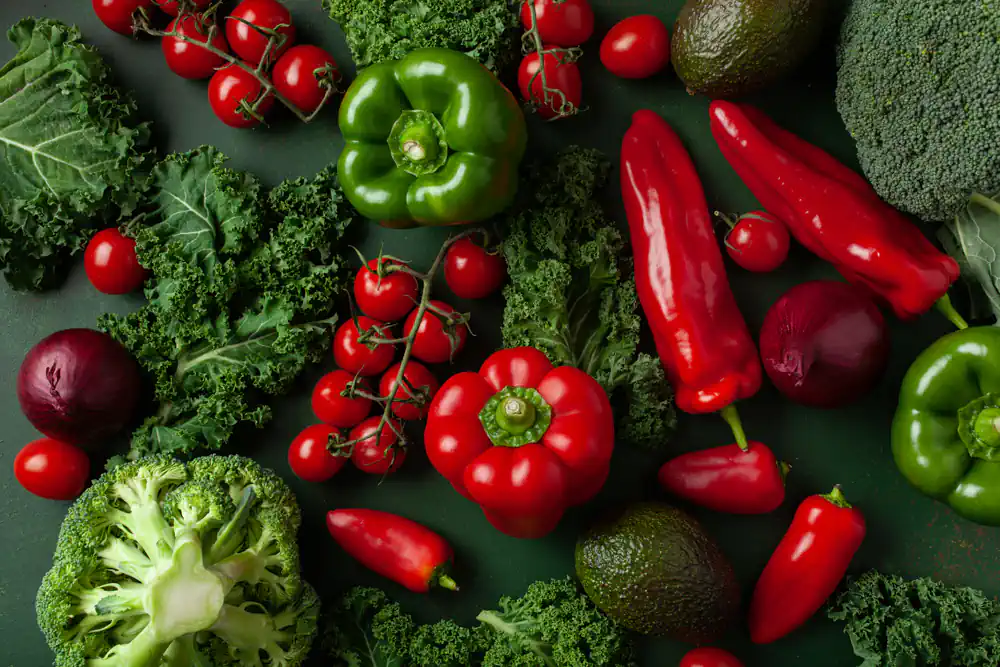
Vegetables are one of the most important parts of a clean eating diet. They are rich in fiber, vitamins, and antioxidants that support immunity, digestion, and overall health.
Clean vegetables include:
- Spinach
- Kale
- Broccoli
- Cauliflower
- Carrots
- Bell peppers
- Zucchini
- Cucumbers
- Asparagus
- Brussels sprouts
- Sweet potatoes
- Tomatoes
Both fresh and frozen vegetables are great choices. Avoid vegetables with added sauces or heavy processing.
Fruits
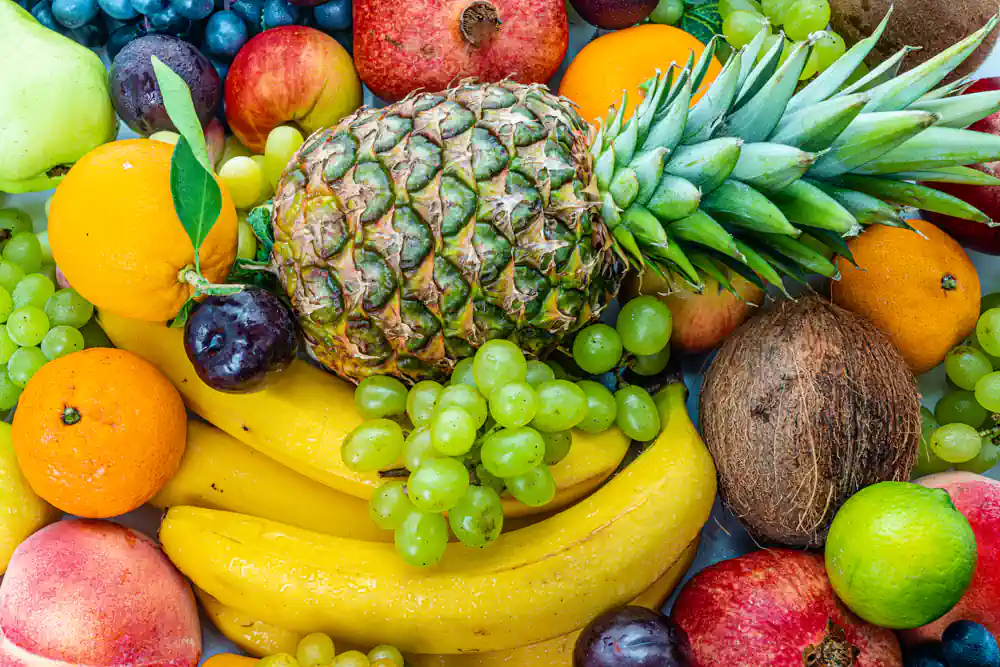
Fruits are sweet naturally. They are packed with antioxidants, vitamins, and minerals. They’re also a good way of satisfying sugar cravings while eating clean.
Healthy clean eating fruits include:
- Apples
- Bananas
- Oranges
- Berries (strawberries, blueberries, raspberries)
- Grapes
- Pineapple
- Mango
- Peaches
- Pears
- Kiwi
Go for whole fruits instead of fruit juices, because juices have less fiber and more sugar.
Clean Protein Sources

Proteins build and repair tissues, enhance muscle growth, and keep you full longer.
Clean protein sources include:
- Eggs
- Chicken Breast
- Turkey
- Salmon
- Tuna
- Sardines
- Lean Beef
- Tofu
- Tempeh
- Greek Yogurt
- Cottage Cheese
- Beans And Lentils
Choose fresh and minimally processed protein. Avoid processed proteins like deli meats and sausages.
Whole Grains

Whole grains have more fiber and nutrients compared to refined grains.
Healthy whole grain options include:
- Oats
- Brown Rice
- Quinoa
- Barley
- Farro
- Whole wheat pasta
- Whole grain bread
Check labels for “100% whole grain” or “100% whole wheat” to avoid refined grains.
Healthy Fats

Healthy fats are essential for brain function, hormone health, and mineral absorption.
Clean sources of healthy fats include:
- Avocados
- Olive oil
- Nuts (almonds, walnuts, cashews)
- Seeds (chia seeds, flaxseeds, pumpkin seeds)
- Natural nut butters
- Olives
Choose fats in their natural, minimally processed form.
This post contains affiliate links. I may earn a small commission, at no extra cost to you.
Dairy/Dairy Alternatives in the Clean Eating Food List
Dairy is also a part of the clean eating diet if it is minimally processed or involves simple ingredients like:
For dairy foods, go for unsweetened options or options with minimal artificial ingredients.
Foods to Avoid When Eating Clean
In a clean eating diet, apart from eating whole foods, the idea is to reduce highly processed foods. These foods tend to have high calories with little nutritional value. They include:
Sugary drinks

Sugary drinks have lots of added sugar, which spike your blood sugar levels with little nutritional benefit. They include:
- Soda
- Sweetened iced tea
- Energy drinks
- Sugary coffee drinks
- Fruit punches and fruit cocktails
Instead of sugary drinks, go for water, herbal teas, and unsweetened beverages.
Refined Grains
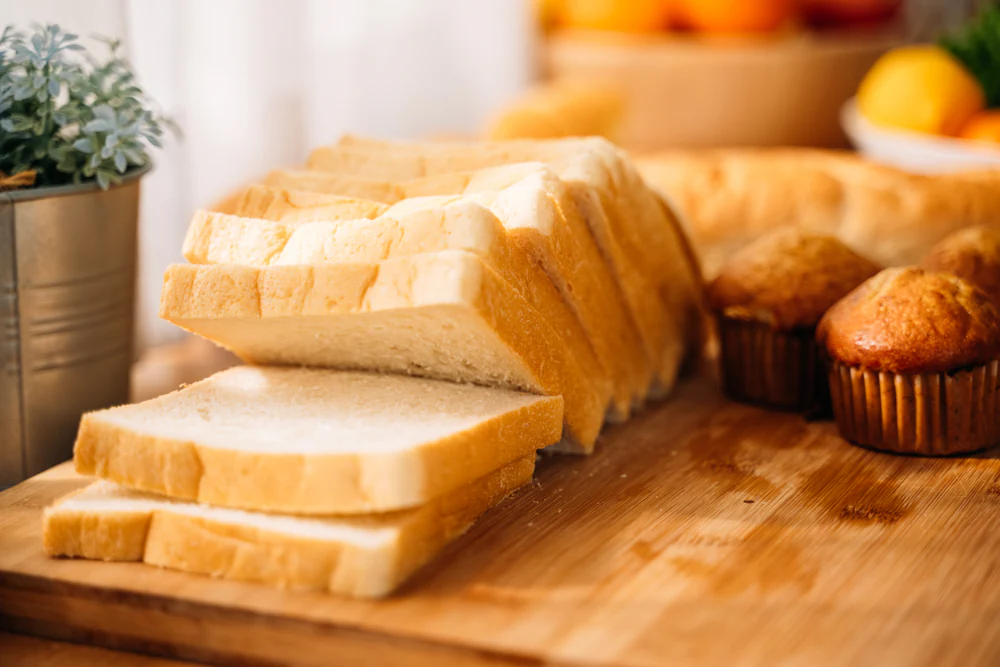
These are grains from which the bran and germ have been removed, taking away essential minerals. Refined grains include:
- White bread
- White pasta
- White rice
- Pastries
- Many packaged baked goods
Replace refined grains with whole grains like oats, quinoa, and brown rice.
Highly Processed Snacks

Most packaged snacks are highly processed and have artificial ingredients, unhealthy fats, preservatives, and too much sodium that causes bloating. They include:
- Chips
- Packaged cookies
- Snack cakes
- Candy bars
- Microwave popcorn with additives
In your clean eating diet, avoid this and go for healthy, whole-food snacks like fruit, protein, nuts, or yogurt instead
Processed Meats
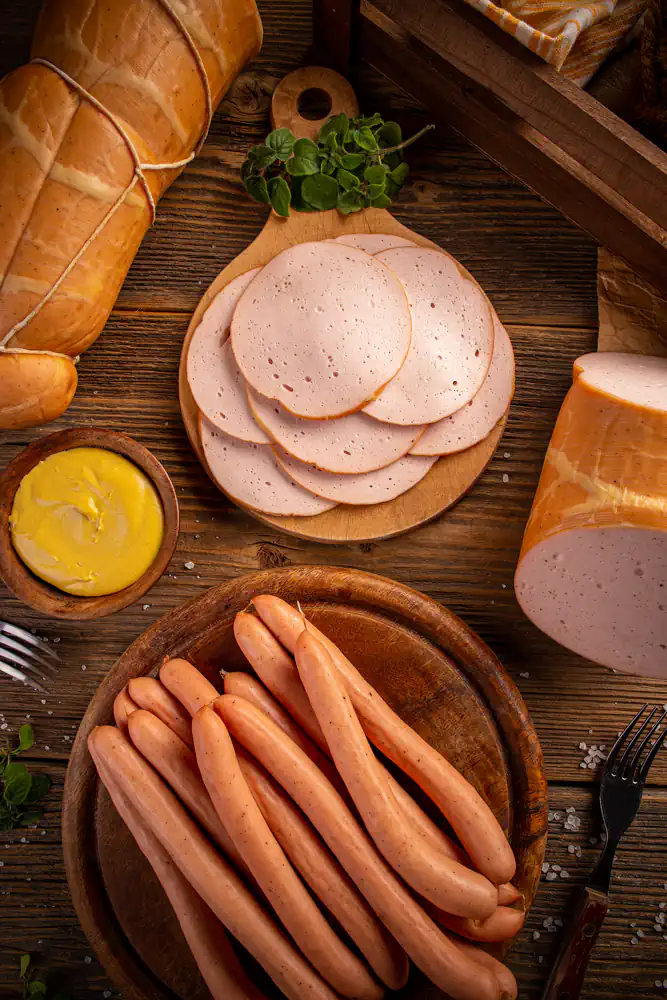
These have too much sodium, preservatives, and artificial ingredients. They include:
- Hot dogs
- Sausages
- Bacon
- Deli meats
- Pepperoni
Instead of processed meats, choose fresh protein sources like chicken, fish, eggs, beans, and tofu.
Food with Very Long Ingredient Lists
In a clean eating diet, limit foods with long ingredient lists filled with additives, preservatives, or artificial flavors. Including:
- Instant noodles
- Flavored snack foods
- Frozen meals with many additives
- Heavily processed sauces and dressings
If the ingredient list is long and unrecognizable, it’s probably a highly processed food.
7-Day Clean Eating Meal Plan & Grocery List
Get the 7-Day Clean Eating Meal Plan + Clean Eating Grocery List
Enter your email below to receive the meal plan and grocery list in your inbox.
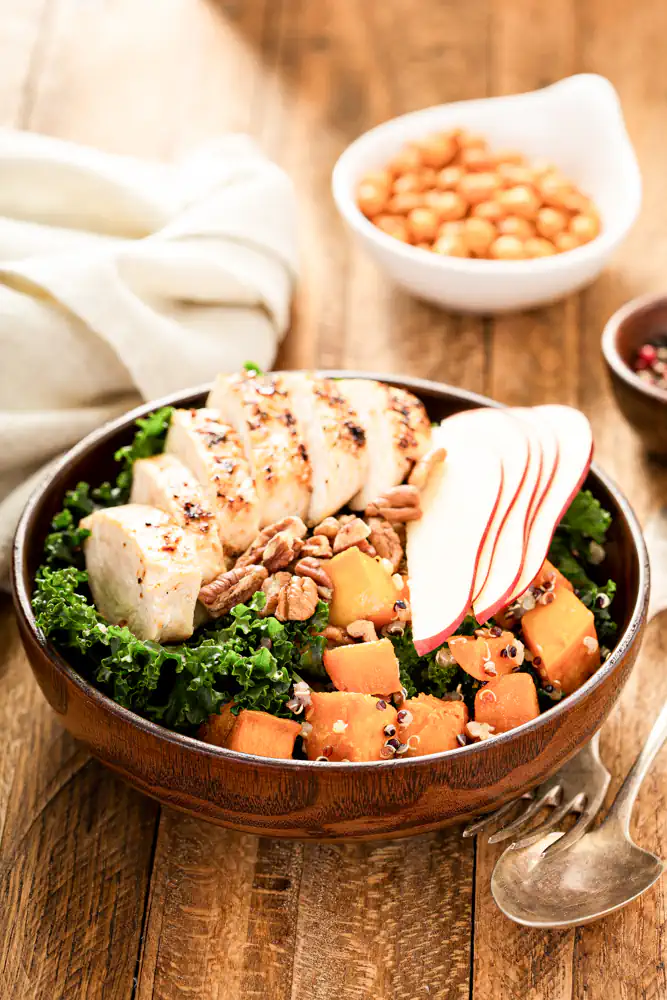
How to Start Eating Clean: Clean Eating Rules/Guidelines
Starting a clean eating diet can be simple. Here are 6 rules/guidelines to get you started:
1. Focus on Whole Foods
Stock up and build your meals around whole, minimally processed foods.
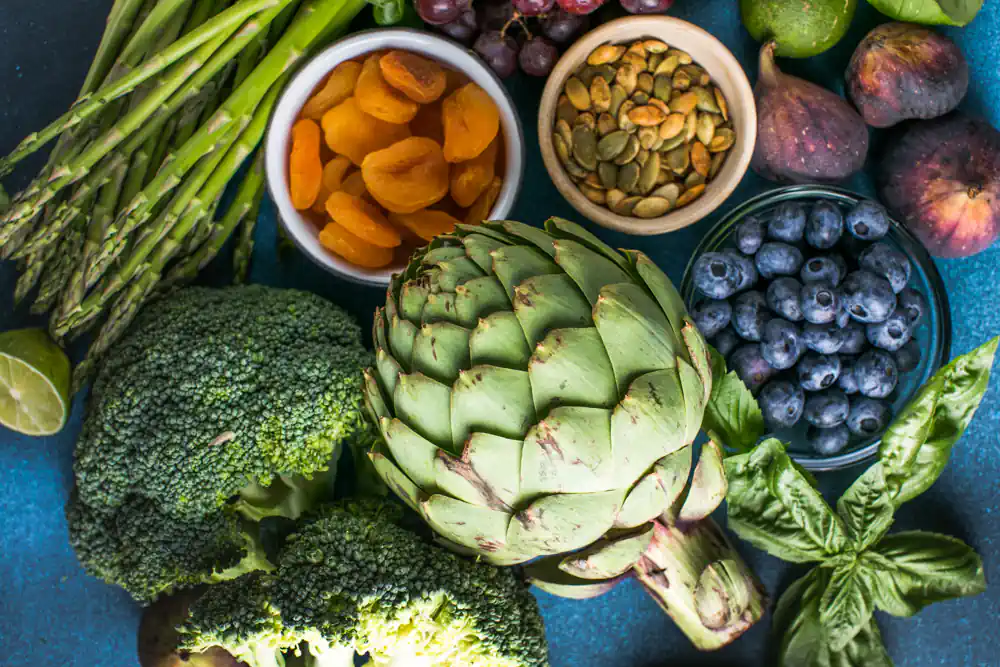
2. Read Ingredient Labels
For packaged foods, check the ingredients list. Highly processed foods tend to have a long list of complex ingredients, while whole foods have simple, direct ingredients.
3. Cook More Meals at Home
Cooking food at home gives you control over ingredients and cooking methods, meaning you can ensure you eat ‘clean foods”. You also get to avoid hidden sugars, unhealthy fats, and excess sodium usually in packaged foods and in restaurants.

4. Choose Whole Grains Over Refined Grains
Go for whole-grain options such as oats, brown rice, quinoa, and whole-wheat products, which are healthy, help manage weight, and protect you from digestive and health issues.
5. Limit Added Sugars and Ultra-Processed Foods
Remember to look out for foods with added sugars, refined ingredients, and artificial additives, including sugary drinks, packaged snacks, and heavily processed meals. Choose healthy alternatives like water, herbal teas and unsweetened drinks.
6. Aim for Balanced Meals
Try to have a mix of protein, fiber-rich carbohydrates, and healthy fats in each meal to keep you full for longer.
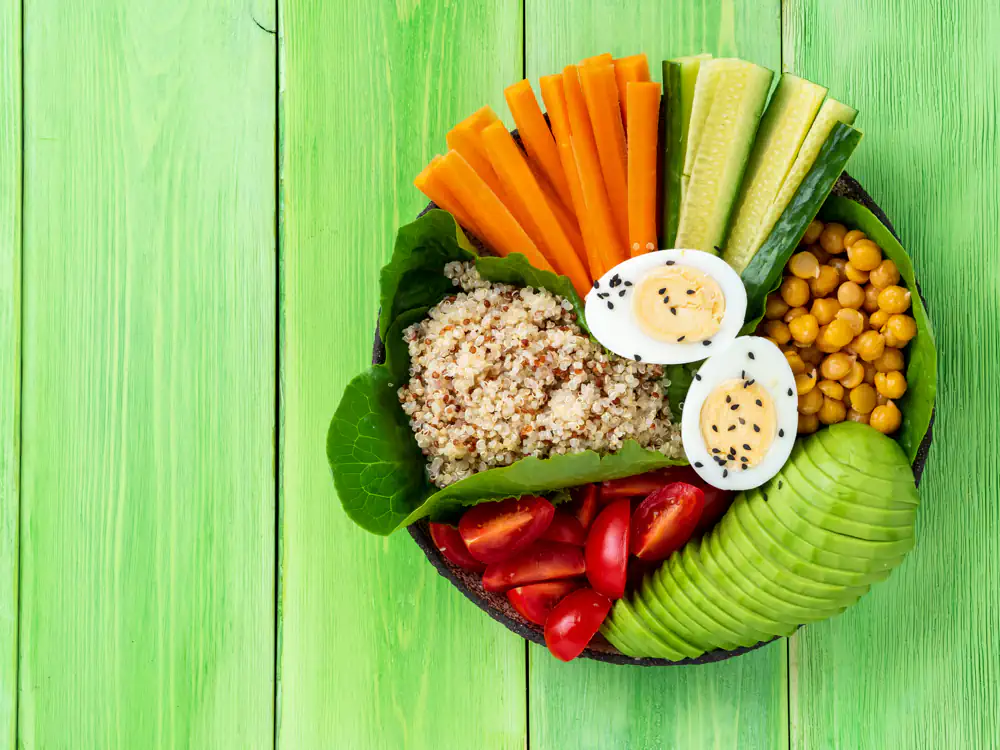
Benefits of Clean Eating
Here is why you should start eating clean today:
1. Better Nutrient Intake
Whole foods (fruits, vegetables, whole grains and healthy fats) are full of vitamins, minerals, fiber, and antioxidants that give your body the nutrients in need to function properly.
2. Improved Energy Levels
Highly processed foods are mainly simple carbs and high glycemic, which cause blood sugar spikes and crashes. However, whole foods are mainly complex carbs and low-GI foods, which give you energy throughout the day.
3. Better Digestion
Many clean foods/whole foods are high in fiber, which supports digestion and gut health.
4. Weight loss/weight management support
A clean eating diet involves whole foods that keep you feeling full for longer, thereby avoiding overeating and excess calories.

5. Reduced Intake of Added Sugars and Ultra-Processed Foods
By focusing on clean eating foods (whole foods), you avoid added sugars, artificial ingredients, and heavily processed foods, which many people aim to avoid as part of a healthy, balanced diet.
Key Takeaways
Clean eating is simple. Focus on whole, minimally processed foods like vegetables, fruits, whole grains, protein, and healthy fats. Also, avoid processed foods with long ingredient lists.
Get the 7-Day Clean Eating Meal Plan + Clean Eating Grocery List
Enter your email below to receive the meal plan and grocery list in your inbox.