Herbal Tea: 9 Powerful Teas to Soothe Your Sleep & Stress

Brewing a cup of a herbal tea can be one of the simplest rituals that give you the biggest reliefs. Herbal can calm your nervous system on a stressful day, help you sleep on a restless night, or aid digestion after a heavy meal.
Today I tell you about 9 powerful herbal teas and their proven health benefits. We’ll also cover the best times to enjoy them, how to brew them, and a few safety tips to keep in mind.
What Is a Herbal Tea?
Herbal teas are drinks infused with herbs, flowers, roots, seeds, and spices.
What differentiates herbal teas from regular tea is their healthy benefits and wellness potential. Unlike regular teas that give anti-oxidants and caffeine, herbal teas have unique plant compounds that support sleep, stress relief, digestion, and immunity.

Benefits of Herbal Tea:
- Caffeine-free: Most herbal teas don’t have caffeine, making them an excellent choice for the evening, especially for anyone sensitive to stimulants.
- Hydrating: Herbal teas count toward your daily water intake, thus helping with hydration.
- Therapeutic ritual: Brewing and sipping a herbal tea can be as calming as the ingredients themselves.
- Health value: Elements like apigenin and gingerols in ginger have numerous health benefits.
9 Powerful Herbal Teas & Their Specific Benefits
1. Chamomile Tea
Chamomile is one of the most popular herbal teas for good reason. It is a natural sleep aid and stress reliever.
Research shows that chamomile has an antioxidant called apigenin, which binds to brain receptors to induce relaxation and reduce insomnia symptoms.

Benefits of Chamomile tea:
Promotes better sleep and relaxation
Eases anxiety and stress
Helps with digestion, especially after heavy meals.
Best Time to Drink Chamomile tea:
In the evening, 30-60 minutes before bed.
How to Brew Chamomile tea:
Steep 1 tablespoon of dried chamomile flowers (or 1 tea bag) in hot water for 5 minutes. Cover your cup while steeping to keep the calming oils from evaporating.
Looking to try Chamomile tea? Check out this organic chamomile tea on Amazon
Note: People with ragweed, daisies, or marigolds allergies may react to chamomile. It also interacts with blood-thinning medications.
Get a free Herbal Tea Guide!
Enter your email below to receive our free guide delivered to your inbox.
2. Peppermint Tea
Peppermint tea is your go-to for digestion and bloating relief. Because of its high methanol content, peppermint tea relaxes in your digestive system, which eases bloating, gas, and indigestion.
It is also naturally cooling and soothing, making it an excellent choice for a hot day or after a heavy meal.

Benefits of Peppermint Tea:
Relieves indigestion, bloating, and other stomach issues.
Reduces tension headaches
Provides a refreshing sense of calm and focus.
Best Time to Drink Peppermint Tea:
After meals, especially lunch or dinner.
How to Brew Peppermint Tea:
Soak 1 tablespoon of fresh peppermint leaves (1 or 2 teaspoons dried) in hot water for 5 minutes. Cover it to trap the essential oils.

Want to try Peppermint tea at home? Check out this organic Peppermint tea on Amazon
Caution: People with severe acid reflux may experience aggravated symptoms.
3. Ginger Tea
Modern medicine has confirmed what traditional medicine has known for years: Ginger tea is a powerhouse for digestion and immunity. Gingerols, the active compounds in ginger tea, have strong anti-inflammatory and antioxidant effects.

Benefits of Ginger Tea:
Relieves nausea (especially morning and motion sickness).
Supports immunity and helps fight off colds.
Reduces inflammation and may ease joint pain.
Assists digestion and calms stomach discomfort.
Best Time to Drink Ginger Tea:
In the morning for immunity and after meals for digestion.
How to Brew Ginger Tea:
Slice 3-4 pieces of fresh ginger root and simmer in water for 10 minutes. You can add lemon and honey for a better taste and immunity boost.
Ready to enjoy the benefits? Check out this Ginger tea on Amazon
Note: Large amounts of ginger tea may thin the blood, so check with your doctor if you are on anticoagulant medication.
4. Hibiscus Tea (For Blood Pressure)
This vibrant red tea is great for blood pressure and cardiovascular health. Research shows that hibiscus tea lowers blood pressure and cholesterol. It is rich in anthocyanins, which fight oxidative stress.
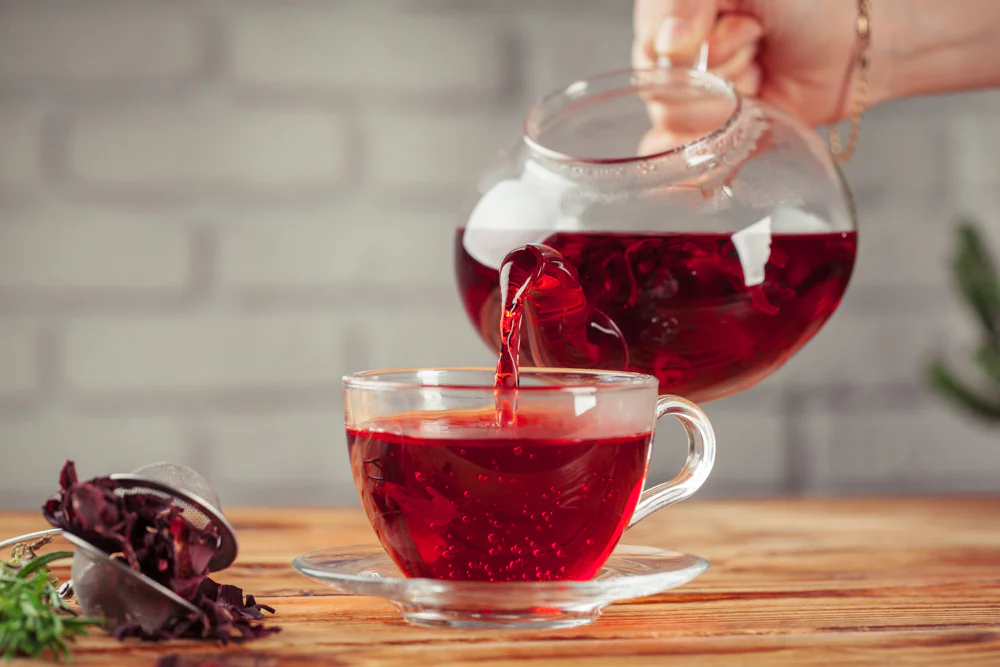
Benefits of Hibiscus Tea:
Lowers high blood pressure.
Supports healthy cholesterol levels.
Rich in antioxidants and Vitamin C
Promotes liver health.
Best Time For Hibiscus Tea:
Afternoon or early evening for a refreshing, tangy boost.
How to Brew Hibiscus Tea:
Put 2 teaspoons of dried hibiscus petals in water for 5 minutes. You can sweeten it with honey for a better taste.
Want to try it? Here’s a high-quality hibiscus tea option on Amazon
Caution: Hibiscus tea can lower blood pressure significantly, so those on blood pressure medication should check with their doctor first.
5. Green Tea
Unlike the other herbal teas on this list, green tea is not a ‘herbal’ tea. However, it is packed with catechins and a gentle dose of caffeine (green tea is the only tea with caffeine on this list), giving it powerful antioxidant, fat-burning, and brain-boosting effects. It is also good for supporting weight loss and burning belly fat.
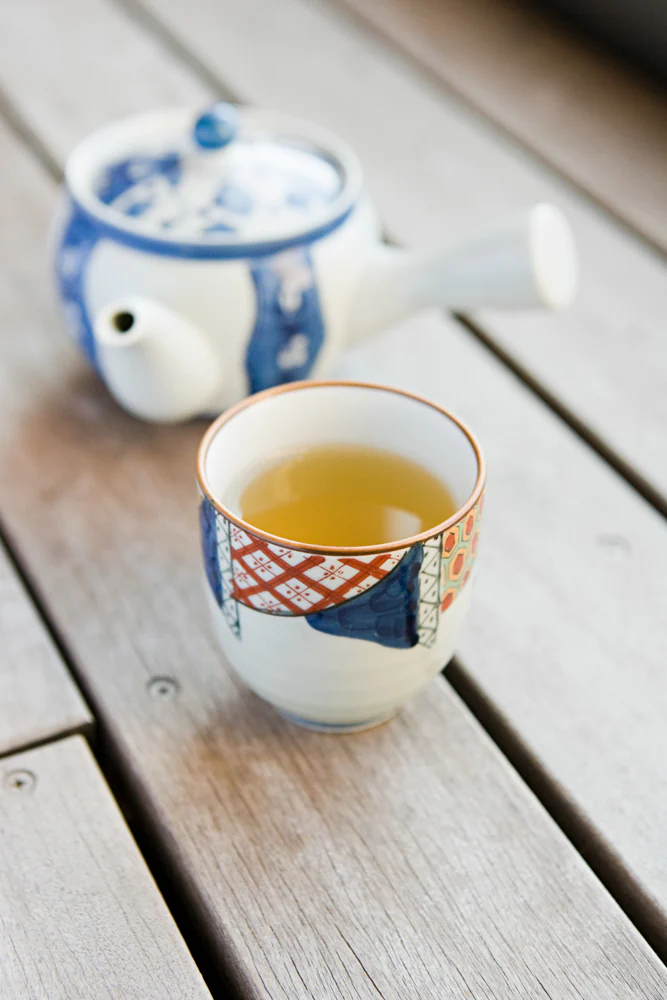
Benefits of Green Tea:
Boosts focus, memory, and brain health.
Supports metabolism and fat burning.
Rich in antioxidants that fight cell damage.
Best Time to Drink Green Tea:
Morning or early afternoon (avoid late evenings to prevent sleep disruption from caffeine).
How to Brew Green Tea:
Use 1 teaspoon (or 1 tea bag) of green tea leaves in hot (not boiling) water for 2 to 3 minutes. Over-steeping can make it bitter.
Here’s a popular green tea on Amazon to get started.
Caution: Green tea can cause stomach upsets in sensitive people. Also, avoid if you’re on blood thinners, as green tea can interact with medications.
6. Rooibos Tea
Rooibos tea is your go-to if you’re looking for a tea that delivers steady energy without caffeine jitters. Native to South Africa, rooibos is naturally caffeine-free but packed with powerful antioxidants, e.g. aspalathin.

Benefits of Rooibos Tea:
Provides steady energy without caffeine crashes.
Its antioxidants protect against oxidative stress.
Aspalathin regulates blood sugar levels, especially for people with insulin resistance.
Does not disrupt sleep.
Best Time For Rooibos Tea:
In the afternoon/evening, when you want to focus without the stimulating effect of caffeine.
How to Brew Rooibos Tea:
Steep 1–2 teaspoons of loose rooibos (or 1 bag) in water for 5 minutes. It pairs beautifully with a little milk and honey topped of with a pinch cinnamon.
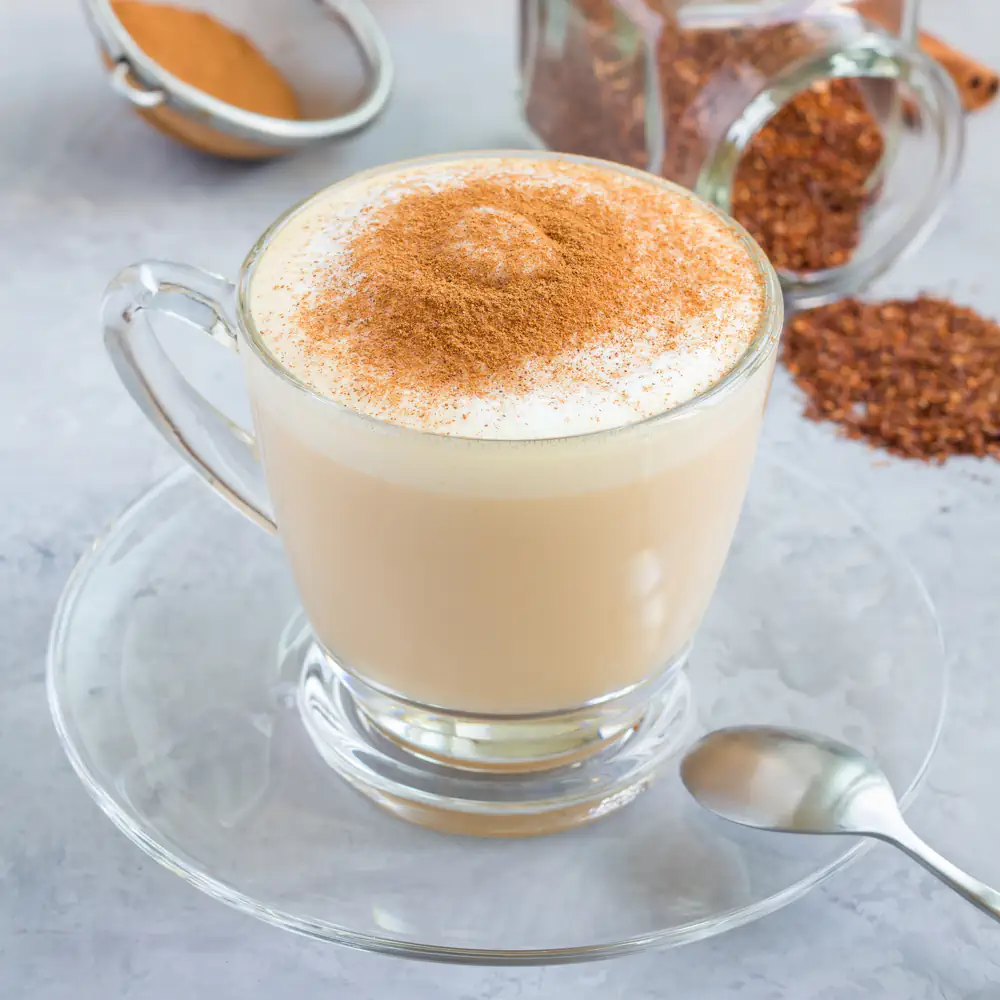
Try a soothing cup yourself with this organic rooibos tea on Amazon
7. Lemon Balm Tea
Lemon balm tea is known for its calming effects. It helps reduce anxiety and stress. It also has mild sedative effects, making it a great natural option for sleep and mood balance.
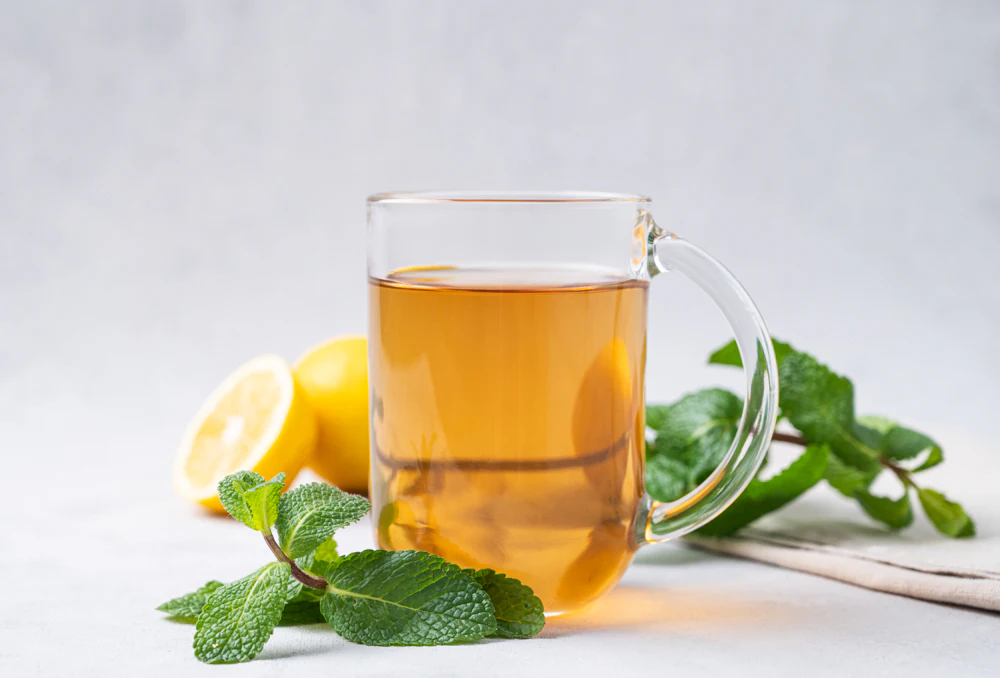
Benefits of Lemon Balm Tea:
Reduces anxiety and makes you calm.
Improves sleep quality.
Helps with mood and mental clarity
Has antioxidants that enhance brain health
Best Time For Lemon Balm Tea:
In the evening or during stressful moments of the day.
How to Brew Lemon Balm Tea:
Add 1–2 teaspoons of dried lemon balm leaves (or 1 bag) in water for 5 minutes. You can add chamomile or lavender for an extra soothing blend.
Here’s a high-quality lemon balm tea on Amazon if you want to try it out.
Note: Lemon balm tea may increase drowsiness caused by other medications. People with thyroid issues should consult a doctor before regular use because it affects thyroid function.
8. Turmeric Tea (Golden Milk)
Turmeric is a powerful root known for its anti-inflammatory properties. It contains curcumin, an active compound with antioxidant properties and reduces inflammation. This is what makes turmeric tea a soothing choice for people with joint pain, arthritis, or chronic inflammation.

Benefits of Turmeric Tea:
Reduces inflammation in the body
Supports joint comfort and mobility
Promotes heart and brain health
Strengthens immune function with antioxidants
Best Time For Turmeric Tea:
In the evening or after meals for better absorption.
How to Brew Turmeric Tea:
In a cup of warm milk, stir a half or 1 teaspoon of turmeric powder. Add a pinch of black pepper to boost absorption. Honey and cinnamon are optional for taste.
Here’s a top-rated turmeric tea blend on Amazon if you’d like to try it.
Caution: Large amounts of turmeric tea can thin blood or cause digestive issues.
9. Lavender Tea
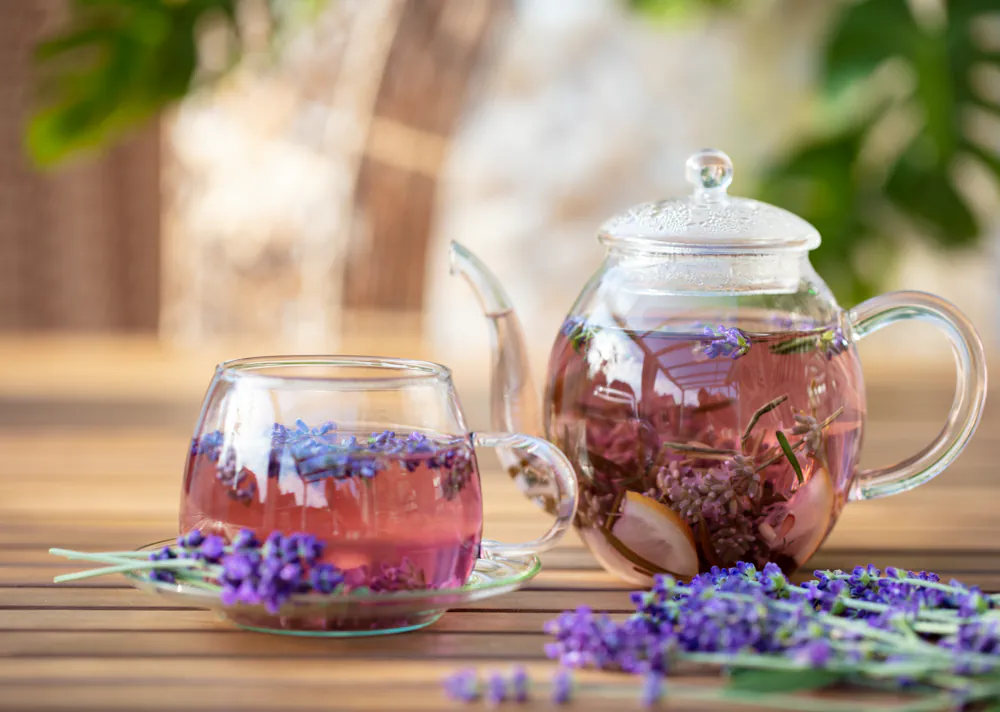
Although lavender is known mostly for aromatherapy, drinking lavender tea has anti-anxiety and sedative effects. Lavender tea, like chamomile tea, helps ease stress, restlessness and sleepless nights. It also soothes headaches and stomach discomfort.
Benefits of Lavender Tea:
Relaxes and reduces anxiety.
Helps to sleep easily.
Eases headaches and digestive issues.
Has antioxidants with verified health benefits.
Best Time to Drink Lavender Tea:
In the evening or when you need a calming ritual.
How to Brew Lavender Tea:
Use 1-2 teaspoons of dried lavender buds in hot water for 5 minutes. Combine with chamomile for extra sleep support.
If you want to start using it, here is a great organic lavender tea on Amazon.
Note: Lavender tea can cause drowsiness. If you are pregnant or breastfeeding, avoid large amounts.
Who Should Be Careful Using Herbal Teas?
While herbal teas are natural, they may not always be risk-free. Some people may want to use them cautiously or consult with a doctor before adopting them for regular use:
Pregnant and breastfeeding
Some herbal teas like Valerian, licorice root, sage, and certain detox blends are not recommended during pregnancy or breastfeeding. Consult with a doctor even when taking ‘safe’ teas like chamomile tea.
People on Blood Pressure or Blood Thinner Medications
Turmeric, ginger, and green tea usually thin the blood and interact with anticoagulants. On the other hand, teas like hibiscus can lower blood pressure too much if you’re on other blood pressure medicines.
Anyone on Regular Medication
Herbal teas can interfere with how medicines work. You want to consult with a doctor if you are on a daily medication, have a chronic condition, or you plan to take large amounts of a specific herbal tea.
Conclusion
Herbal teas have numerous health benefits. From easing digestion and boosting immunity to calming stress and supporting heart health, the right tea can make a huge difference in your life. And the good part is that most of them have no caffeine.
Making herbal tea a small daily ritual can lead to long-term wellness gains.
Get a free Herbal Tea Guide!
Enter your email below to receive our free guide delivered to your inbox.