Ketogenic Diet Explained: Keto Food List, Benefits, & How to Start
The ketogenic diet, a.k.a. keto, is a low-carb, high-fat way of eating that switches the body’s energy from breaking down carbs (glucose) to burning fat (ketones). It is known for its numerous health benefits like weight loss, balancing blood sugar, and brain health.
What Is the Ketogenic Diet?
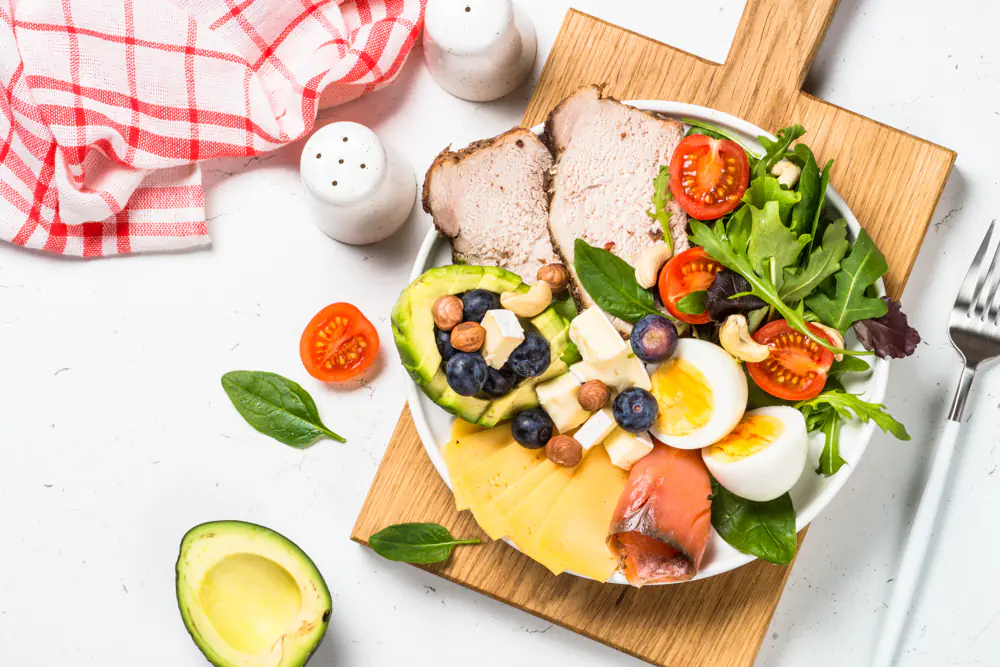
Keto involves eating very few carbs (20-50g daily) and replacing them with healthy fats from fatty fish, nuts, seeds, avocado, etc.
Did you know the ketogenic diet started as a treatment for epilepsy in the 1920s? Doctors found that ketones were effective for stabilizing the brain, hence treatment for epilepsy and other cognitive conditions. But they also realized keto was great for weight loss and improving energy levels.
Today, keto is well known as a weight loss and wellness strategy.
How the Ketogenic Diet Works
Ketosis
Your body normally gets energy from glucose produced when it breaks down carbs like bread, pasta, sugar, and the fruits you eat.
However, when you cut down on carbs (20-50g of carbs daily), your body runs out of glucose and relies on fat. So, your liver converts stored fat to ketones, which your body uses for energy. A process called ketosis.
This shift to fueling your metabolism using fat is what makes keto different from other diets. It leads to:
- Steady energy
- Reduced hunger
- Increased mental clarity
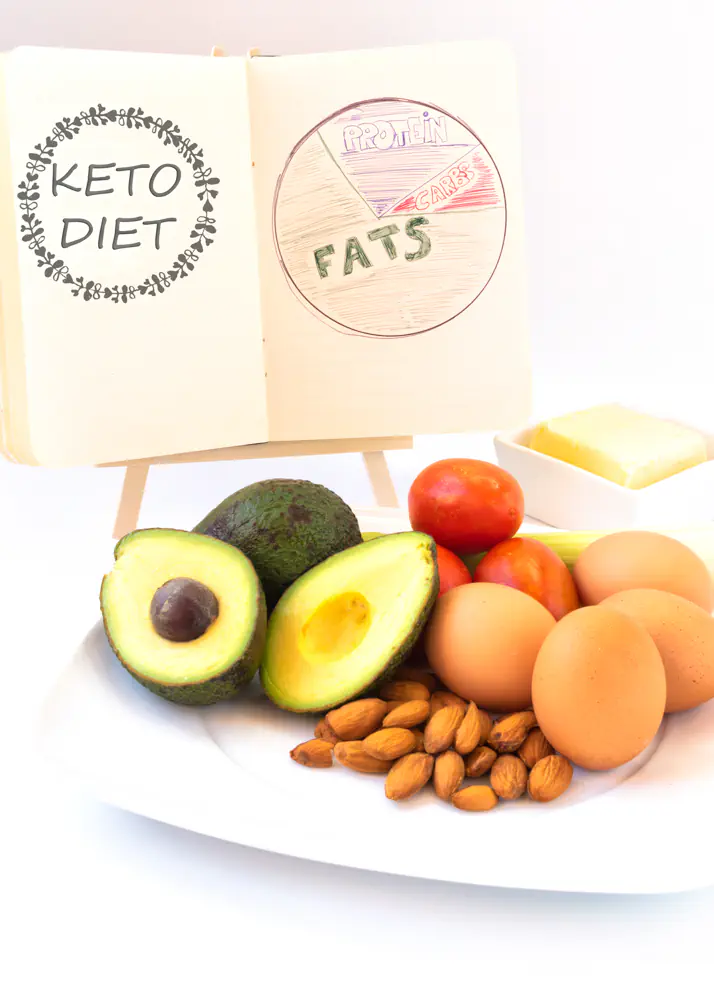
On keto, you get your calories as follows:
- 70–75% from fat
- 20–25% from protein
- 5–10% from carbs
Benefits of the Ketogenic Diet
Is keto good for weight loss and fat burning?
Yes. In fact, people choose keto mostly for weight loss and fat burning. When you cut down carbs and shift your metabolism to ketosis, your body breaks down the stored fat. Most people report losing weight faster on the ketogenic diet than on traditional diets.

Appetite Control and Satiety
If you are like me, who likes snacking often, keto can be good news. The high fat and moderate protein in keto are usually more filling than carb-heavy meals. Thus, no cravings and endless snacking.
Does keto improve blood sugar and insulin sensitivity?
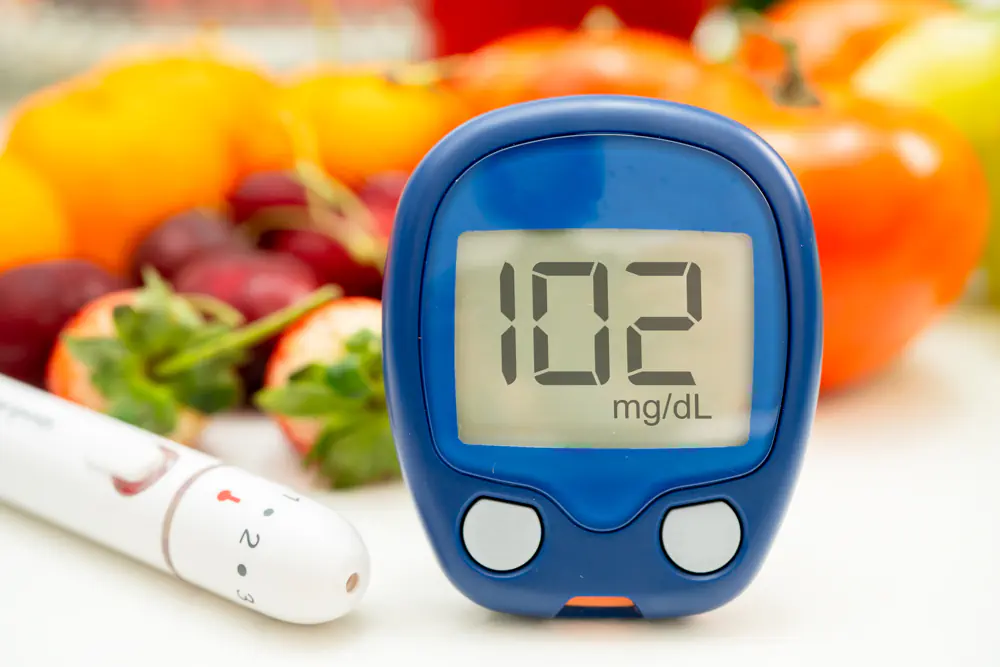
With fewer carbs in the keto diet, your blood sugar remains stable. This is great, especially for people with insulin resistance and type 2 diabetes. However, I suggest consulting with your doctor if you have any medical conditions before starting keto.
Brain Health and Mental Clarity
People on the ketogenic diet report having steady energy and a sharper focus after adapting to a fat-driven metabolism.
Does Keto Increase Energy Levels?
It does for some people. However, the important aspect of energy on keto is that ketones provide a steady energy, unlike the highs and crashes associated with relying on carbs.

Ketogenic Diet Food List: What to Eat & Avoid
If you are wondering what to eat on keto, here is a complete list of keto foods plus what to avoid.
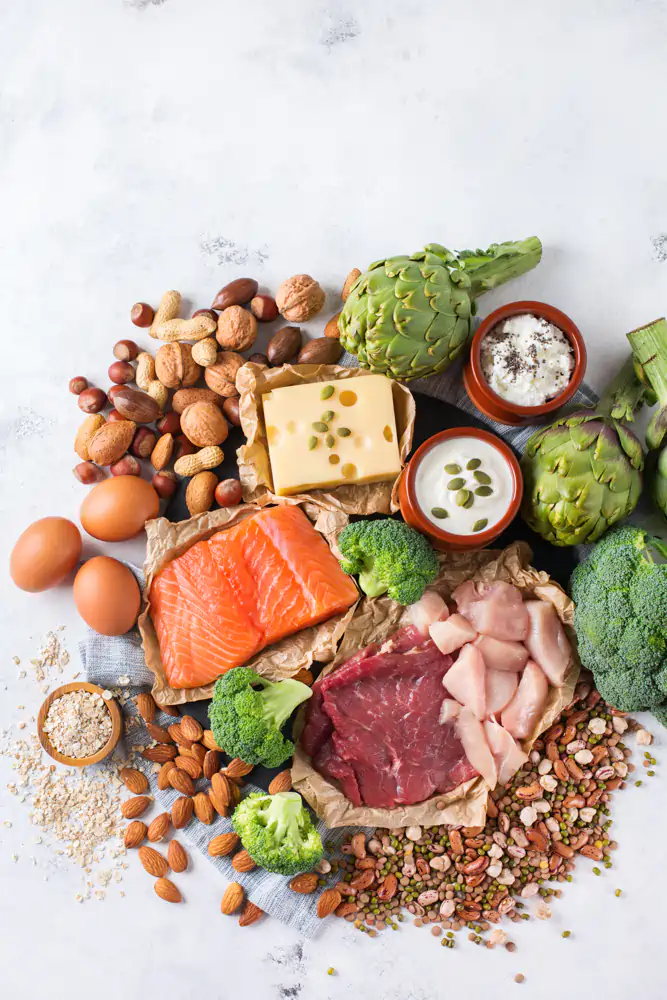
Foods to Eat on Keto
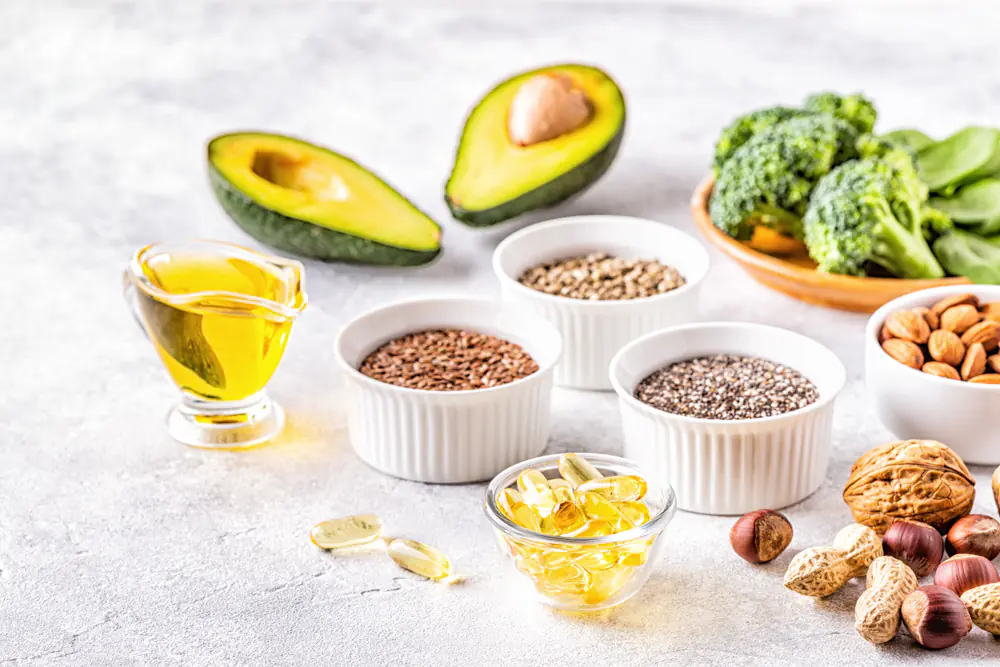
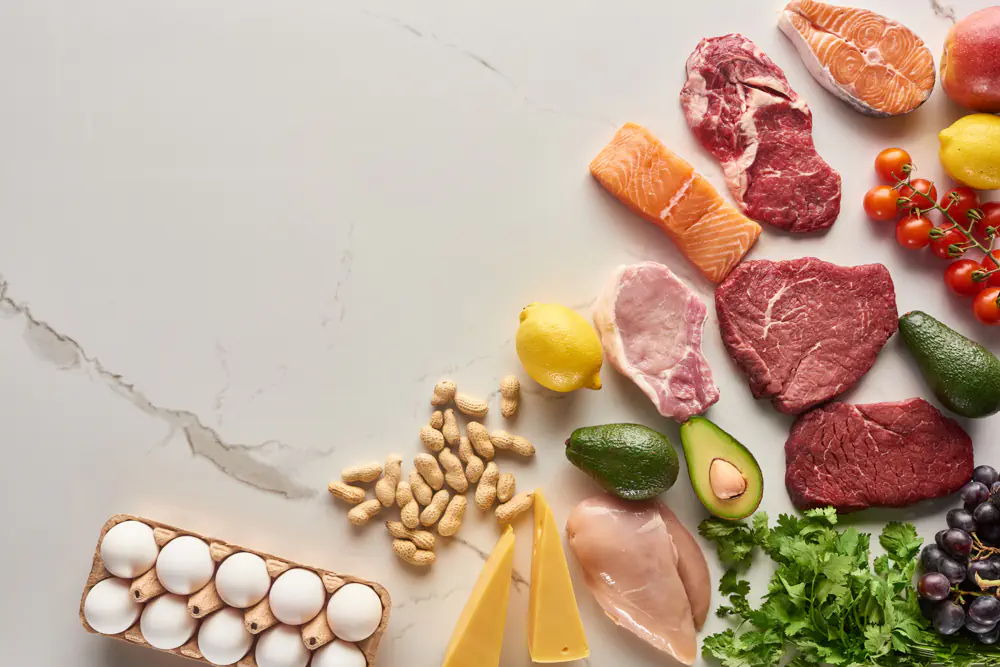
Healthy Fats
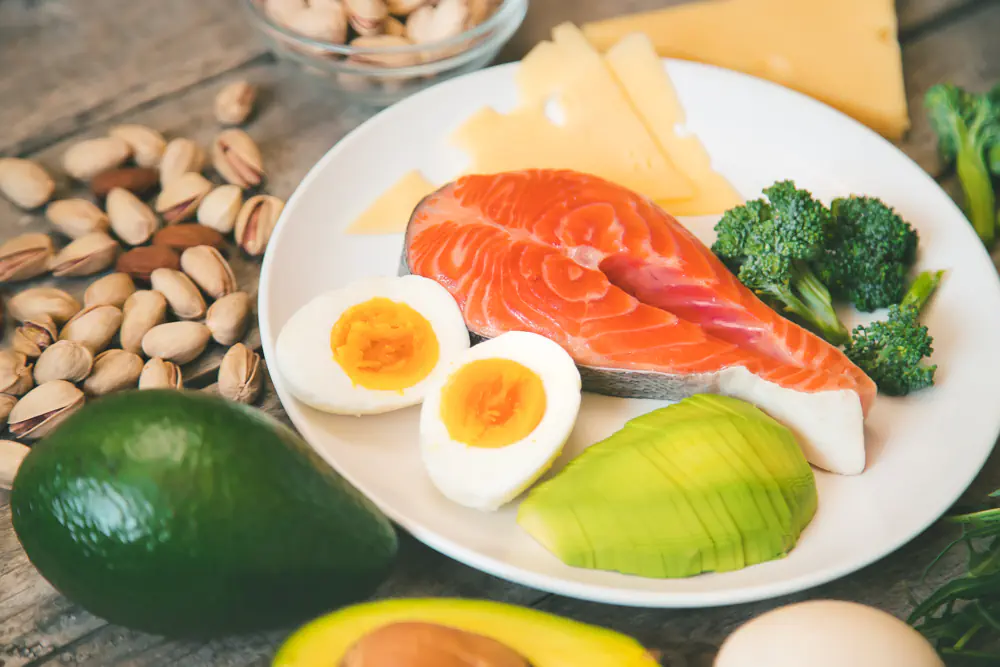
- Fatty fish (salmon, sardines, mackerel)
- Grass-fed butter or ghee
- Nuts and seeds (almonds, chia, flax, walnuts)
- Olive oil and coconut oil
- Avocado and avocado oil
Proteins
- Beef, pork, lamb, poultry
- Fish and seafood
- Eggs
- Plant-based protein, e.g., tofu, tempeh, etc.
- Full-fat dairy, e.g., yoghurt, cheese, and cream
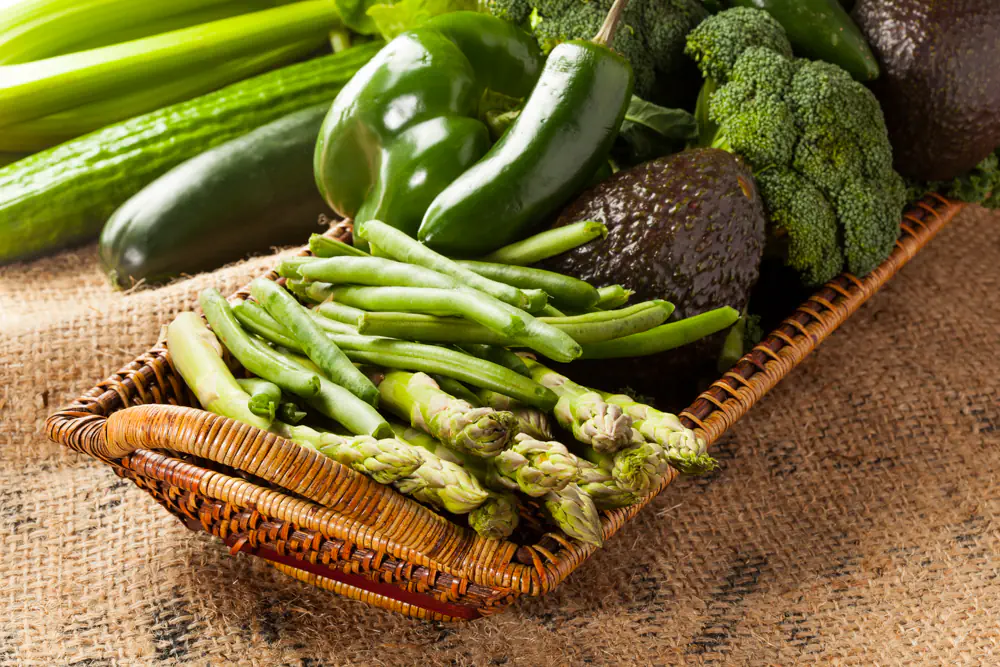
Low-Carb Vegetables
- Leafy greens like spinach, kale, and arugula
- Cruciferous veggies like broccoli, cauliflower, and Brussels sprouts
- Zucchini, cucumber, peppers, mushrooms
- Herbs like basil, parsley, cilantro, and dill
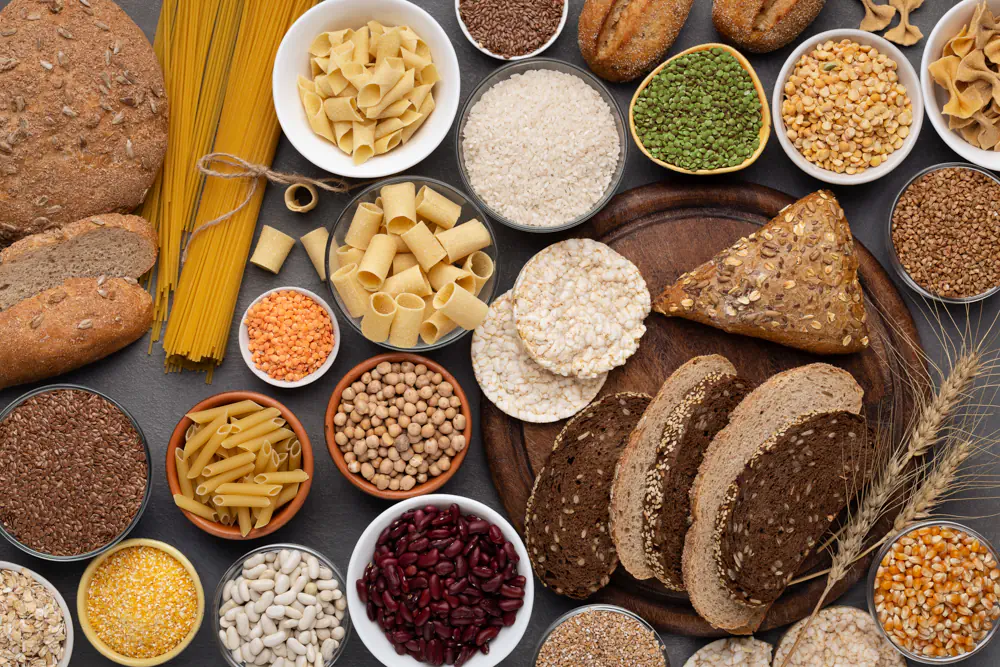
Foods to Avoid on Keto
For your body to stay in ketosis, keep your carbs low. You want to avoid:
- Soda or baked goods, candy, and sweet desserts
- Grains in bread, pasta, rice, corn, and oats
- Starchy vegetables (potatoes, sweet potatoes, peas, carrots)
- Most fruits like bananas, apples, grapes, and oranges. Only stick to berries if needed.
- Processed/packaged foods high in carbs
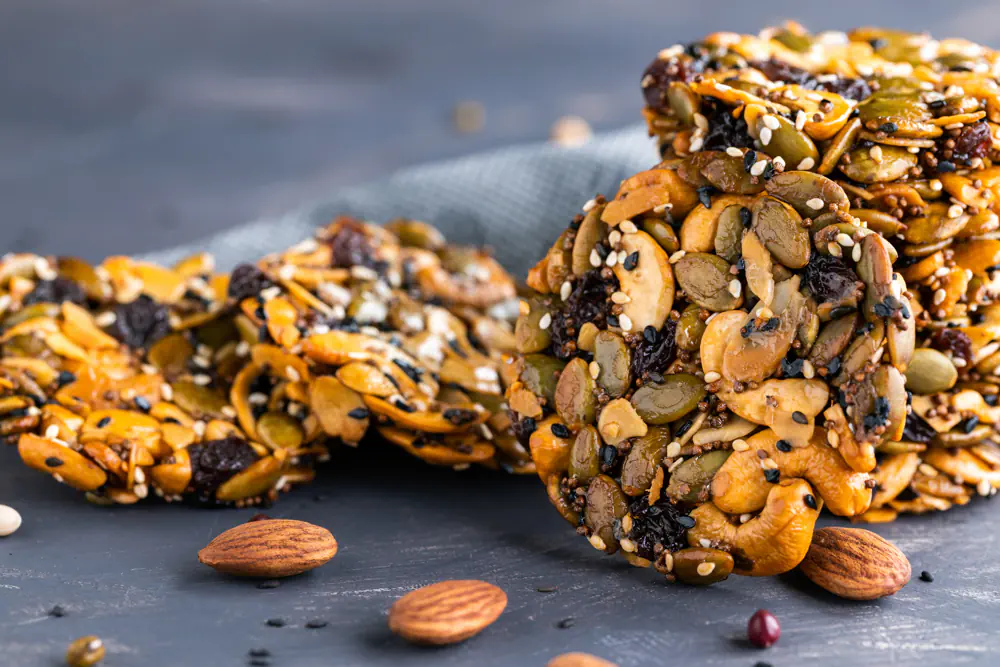
Keto Snacks and Desserts
Now that sweet desserts are not allowed on keto, it doesn’t mean there are no snacks or desserts to enjoy. Here are snacks and desserts to eat on the ketogenic diet:
- Cheese sticks and slices
- Hard-boiled eggs
- Nuts and seeds
- Guacamole with cucumber slices
- Keto-friendly chocolate: sugar-free, high-cocoa
- Chia seed pudding made with almond milk
Generally, you want to keep carbs low, fat high, and minimally processed.
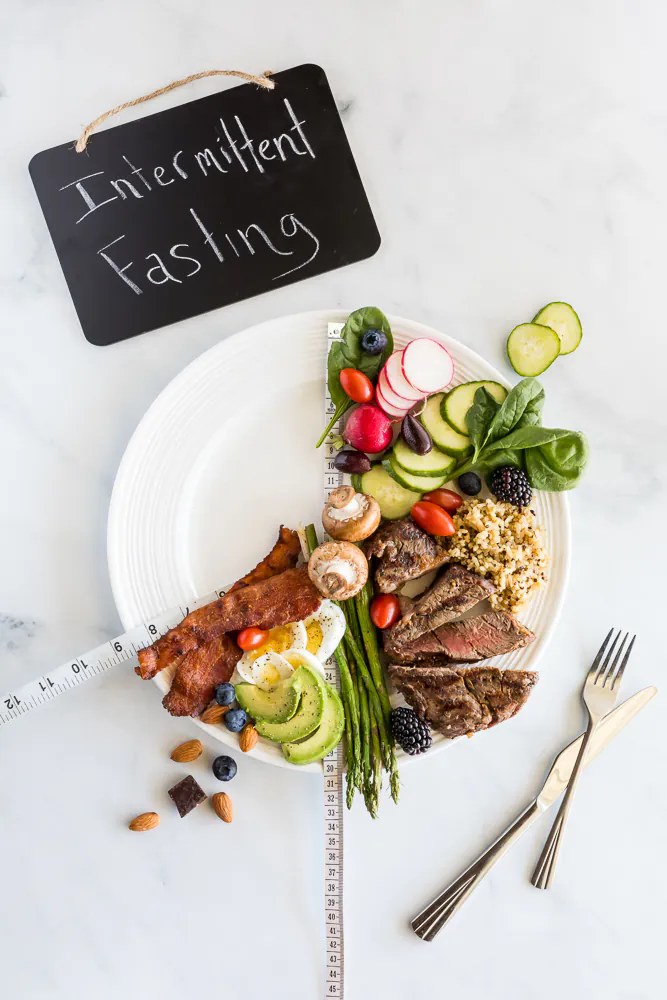
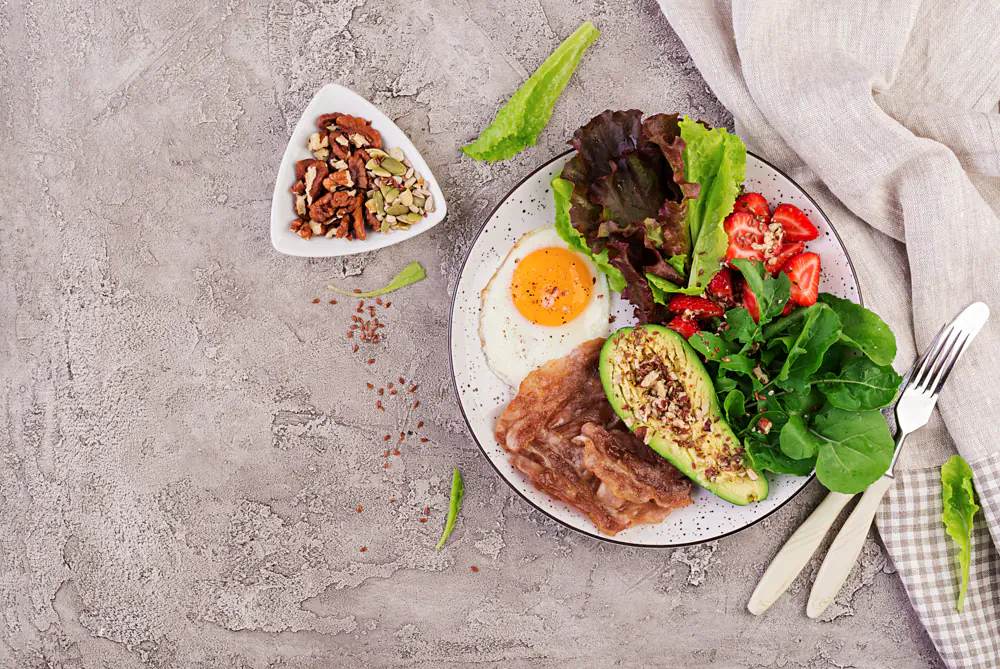
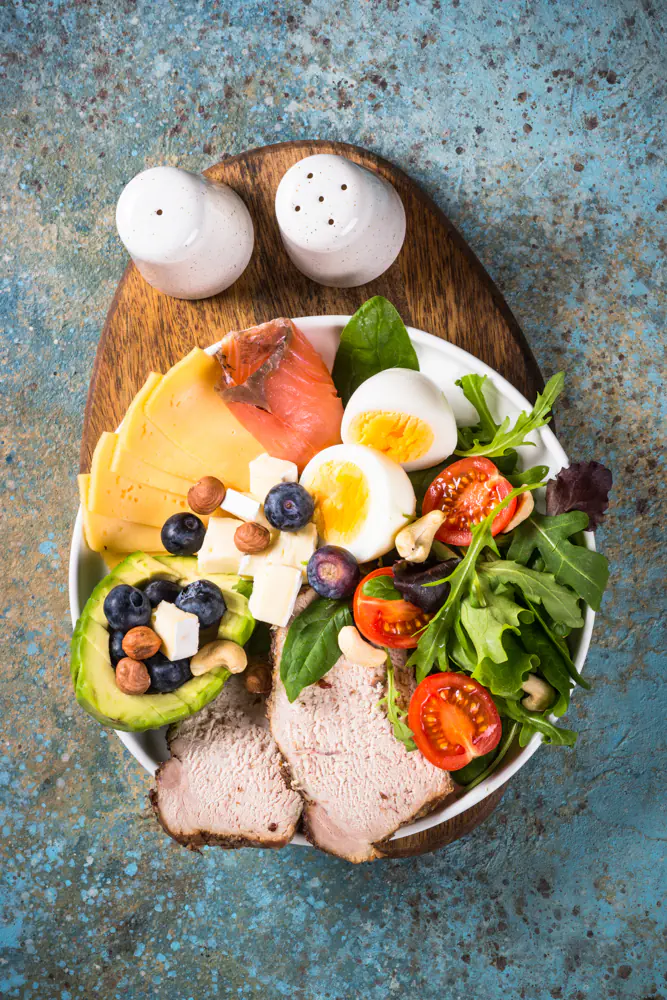
Sample Keto Plate
A balanced keto meal might look like this:
- Protein: Grilled salmon or chicken breast
- Veggies: Steamed broccoli with olive oil
- Healthy fat: Half an avocado or a drizzle of butter
- Optional: A sprinkle of cheese or a handful of nuts on the side
7-Day Keto Meal Plan + Shopping List
Get the Keto Meal Plan
Enter your email below to receive our free 7-Day Keto Meal Plan + Shopping List
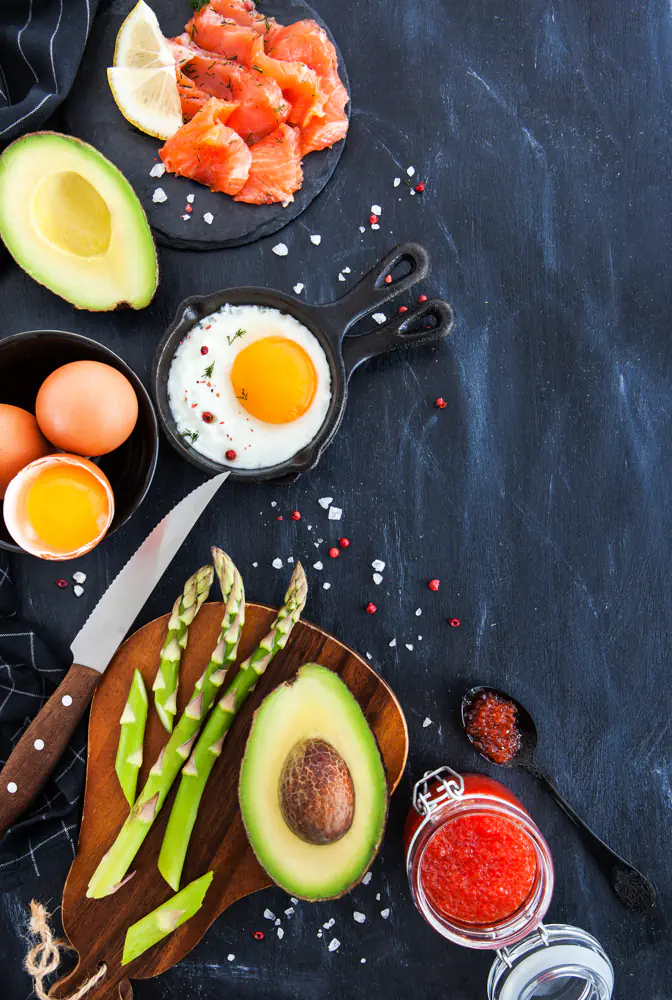
In this 7-Day Keto Meal Plan + Shopping List, you’ll find:
- Easy keto breakfast ideas
- Tasty keto lunch ideas
- Healthy keto snacks
- Quick keto dinner ideas
- Keto desserts
Types of Ketogenic Diets
Keto can have many versions depending on your lifestyle, goals, and needs. For example:
Standard Ketogenic Diet (SKD)
This is the common version. It has 70–75% fat, 20–25% protein, and 5–10% carbs. It’s mostly for beginners and people looking to lose weight.
Targeted Ketogenic Diet (TKD)
This keto version is for people who work out, looking for extra energy. You eat 20-50g of carbs before a workout. For example, a banana or a bowl of oats for extra energy.
High-Protein Ketogenic Diet
A version of keto with more protein: 60% fat, 35% protein, 5% carbs. It’s great for people concerned about muscle loss or don’t feel full on standard keto. They can add chicken, lean beef, or fish alongside keto-friendly fats.
Cyclical Ketogenic Diet (CKD)
A version of keto where you eat carbs in cycles, like 5 days keto + 2 days higher-carb meals, or keto on weekdays and more carbs during weekends. It is common among bodybuilders are people looking to replenish their glycogen stores.
How to Start the Keto Diet (Step-by-Step)
Cutting carbs when you start the Keto diet can feel daunting. However, here are some steps that can make the process easy.
1. Learn the basics
The core principle of keto is low carb, high fat, and moderate protein.
You are aiming for:
- 70–75% fat
- 20–25% protein
- 5–10% carbs
2. Clear Out High-Carb Foods
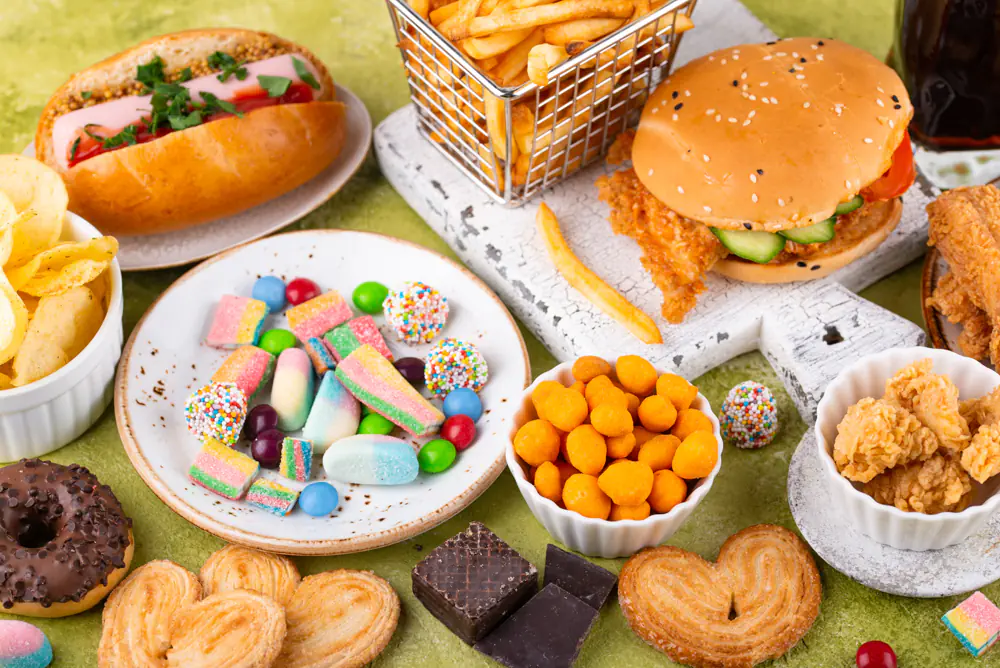
Remove high-carb foods from your fridge and pantry. You don’t want to be tempted, do you? Things like bread, pasta, rice, soda, sugary snacks, potatoes, corn, beans, and other starchy foods.
3. Stock Up on Keto Staples
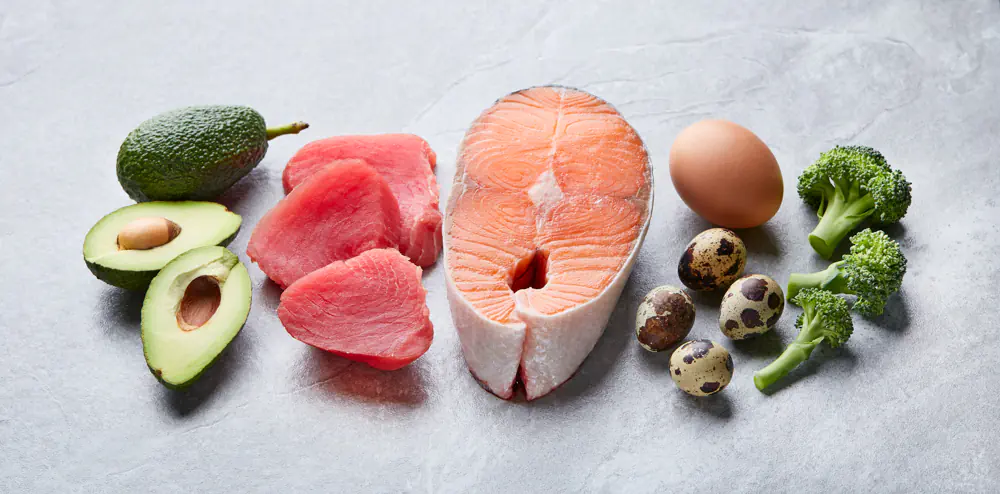
After clearing out your high-carb foods, stock up on keto staples:
- Healthy fats: avocados, olive oil, coconut oil, butter, nuts, seeds
- Proteins: beef, chicken, eggs, fish, pork
- Low-carb veggies: leafy greens, zucchini, cauliflower, broccoli
4. Plan Your Keto Meals
Meal planning saves you time, money, stress, and the temptation to get fast food. You can batch cook proteins like chicken thighs and prep keto snacks like boiled eggs and cheese cubes.
5. Anticipate the ‘Keto Flu’
You can feel tired, foggy, and cranky as your body adjusts to a fat fuel. You’ll definitely want to:
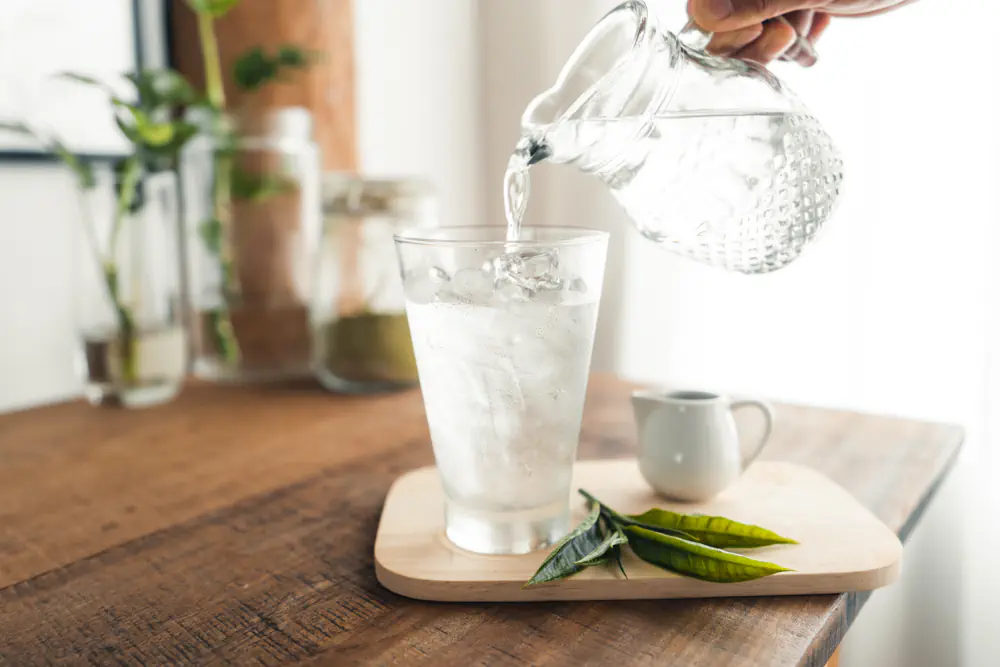
- Hydrate with enough water
- Add electrolytes (salt, potassium, and magnesium)
- Get adequate rest/sleep

6. Ease into Exercise
After immediately switching to keto, light to moderate exercise like walking, yoga, or light strength training can help your body adjust. However, you should avoid high-intensity workouts for later when your body is adjusted.
7. Stay Consistent
Ketosis kicks in in 3-7 days after starting keto.
Keto vs. Other Diets: How Does It Compare?
If you’d like to compare keto with other diets, here are resources on other eating patterns:
Keto Diet Supplements and Support
Moving to a keto diet will be a big change for your body. Supplements are not a must, but they can make the transition smoother.
Here are some of the most recommended:
1. Electrolytes
This post contains affiliate links. I may earn a small commission, at no extra cost to you.
When you cut carbs, your body loses a lot of water and electrolytes, making you feel the keto flu. You can overcome it by:
- Replacing sodium, potassium, and magnesium in your body
- Adding pink salt or sea salt to meals
- Eating avocados, leafy greens, nuts, and seeds
- Using a magnesium supplement if you struggle with sleep or cramps
2. MCT Oil (Medium-Chain Triglycerides)
MCT oil gives you a quick, clean-burning energy from fat while boosting ketone production. You can also add it to coffee, smoothies, or drizzle it on meals.
3. Omega-3 Fatty Acids
Omega-3 fatty acids support your heart and brain health, while balancing out the omega-6 heavy fats in the American diet.
4. Vitamin D
Vitamin D is great for your mood, immunity, and bone health, especially if you don’t get a lot of exposure to the sun.
5. Digestive Support
Keto is heavy on fat, which can upset your stomach. So, digestive enzymes (lipase), probiotics, and fiber supplements like psyllium husk can be helpful.
Risks & Side Effects of the Ketogenic Diet
While keto has many health benefits, it comes with some risks. Here are some of the problems you may experience when starting out with keto:
1. Keto Flu
As your body is adjusting to fats from carbs, you may experience fatigue, brain fog, irritability, headaches, and moods. These can last a few days to a week.
You can minimize it by staying hydrated, taking electrolytes, supplements, and getting enough sleep.

2. Nutrient Deficiencies
Since keto does not include fruits, legumes, and grains, it is easy to miss out on key nutrients like vitamin C, B vitamins, potassium, and magnesium.
To avoid this, eat enough low-carb leafy greens, nuts, and seeds, and take supplements.
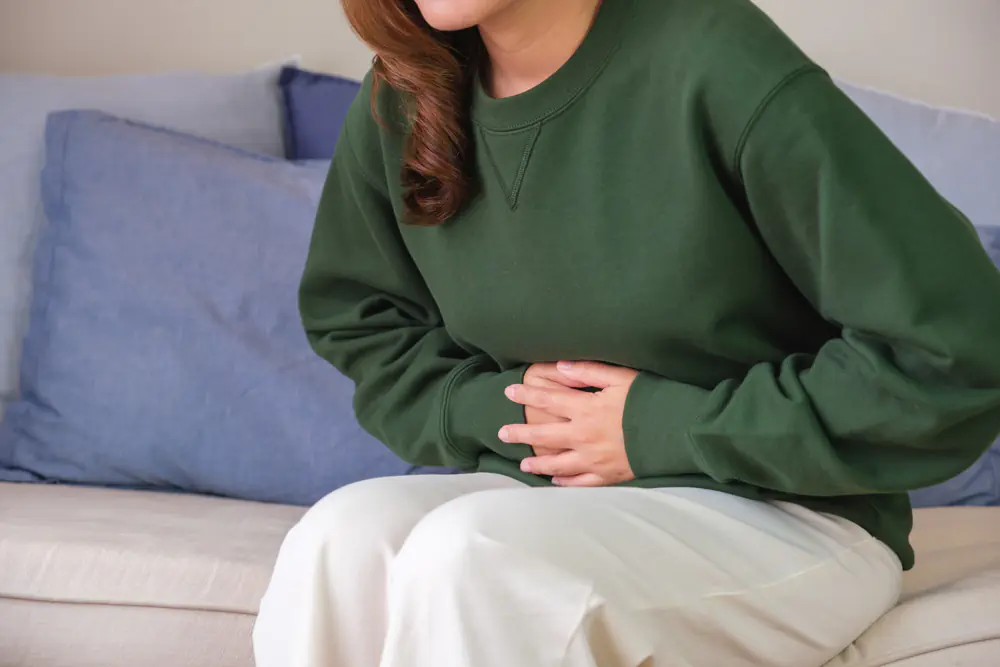
3. Constipation and Digestive Issues
Keto can be a low-fiber, high-fat diet, thus slowing digestion. So, you will want to eat lots of non-starchy vegetables, chia, and flax seeds, and drink a lot of water.
4. Cholesterol Concerns
Since keto is high in fat, a lot of people worry about cholesterol.
However, studies show that keto improves triglycerides and HDL (“good”) cholesterol. Nonetheless, in some people, LDL (“bad”) cholesterol may rise due to genetic predispositions. In this case, the best approach is to focus on healthy fats from avocados, olive oil, and fatty fish.
Who Should Avoid Keto
1. Pregnant or breastfeeding women
2. People with medical conditions, especially serious or chronic conditions or diseases associated with blood sugar
3. Anyone with a history of eating disorders
Conclusion
Keto works by shifting your metabolism from carbs to fats (ketosis). Its main foods are healthy fats, quality proteins, and low-carb vegetables. It’s very popular because it helps with weight loss, blood sugar control, energy, and focus.