Low-Carb Diet Guide: Benefits, Risks, and Complete Food List
Low-carb diet has become very popular. Why? Because it helps people feel and look better. Plus, who who doesn’t want to button their jeans without pulling back their stomach?
Lets break down what a low-carb diet is, how it’ll benefit you, the risks of a low-carb diet, and foods to eat and avoid on the low-carb diet.
What is a Low-Carb Diet exactly?
A low-carb diet is a way of eating by limiting the amount of carbs you consume. You know, things like bread, pasta, rice, etc.
So, how low is ‘low’?
Clean eating involves 100-150g carbs/day, while low-carb diets fall into the 50-100g carbs/day zone. 20-50g carbs/day is in the Keto diet territory.
Why reduce the carbs you consume?
When you cut down on eating carbs, your body starts to burn fat for energy. This leads to weight loss, balanced blood sugar, less energy crashes, and even better skin, sleep, and moods.
How is a low-carb diet different from Keto
Keto is stricter. About 20-50g of carbs/day max. It makes the body go into Ketosis, a state where your body burns fat for fuel.
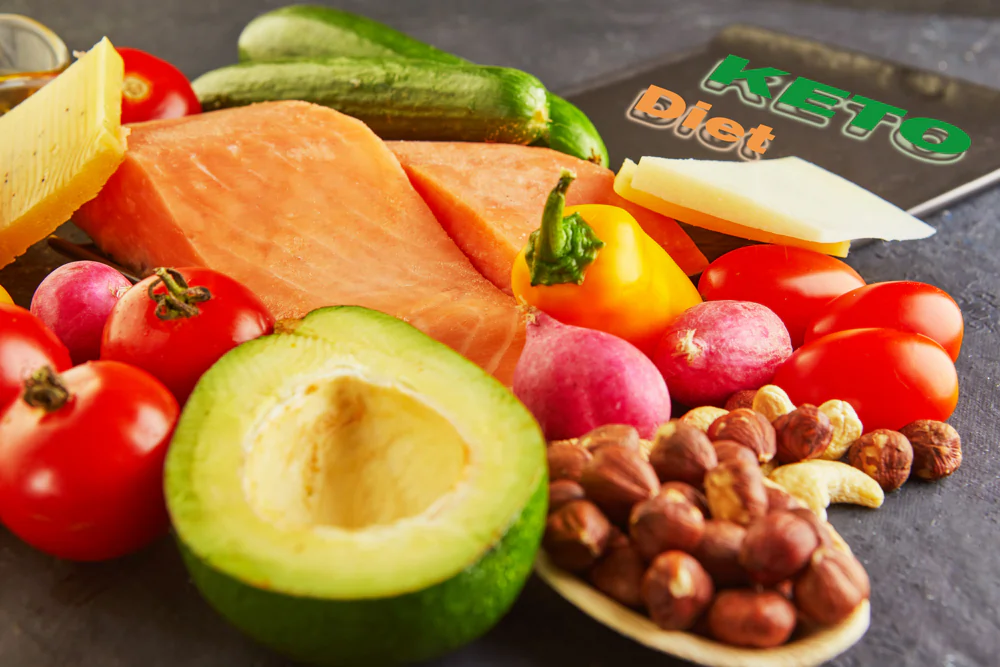
However, low-carb involves reducing carbs to feel better and lose weight without obsessively skipping your fave fruits, etc.
What Can You Eat (and Not Eat) on a Low-Carb Diet?
Low-Carb Foods You Should Eat
This post contains affiliate links. I may earn a small commission, at no extra cost to you.
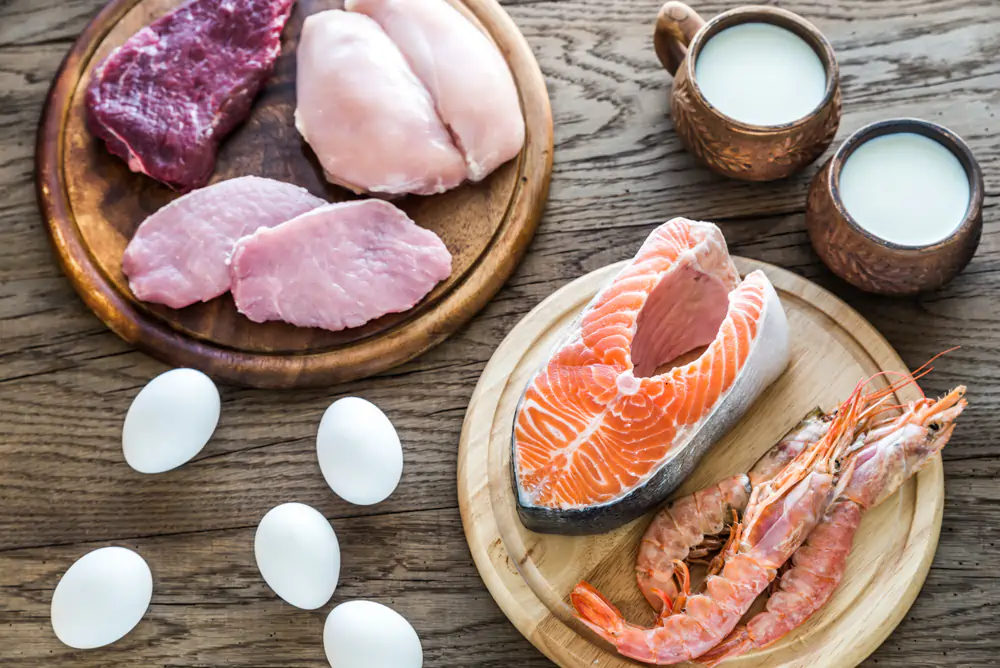
Proteins
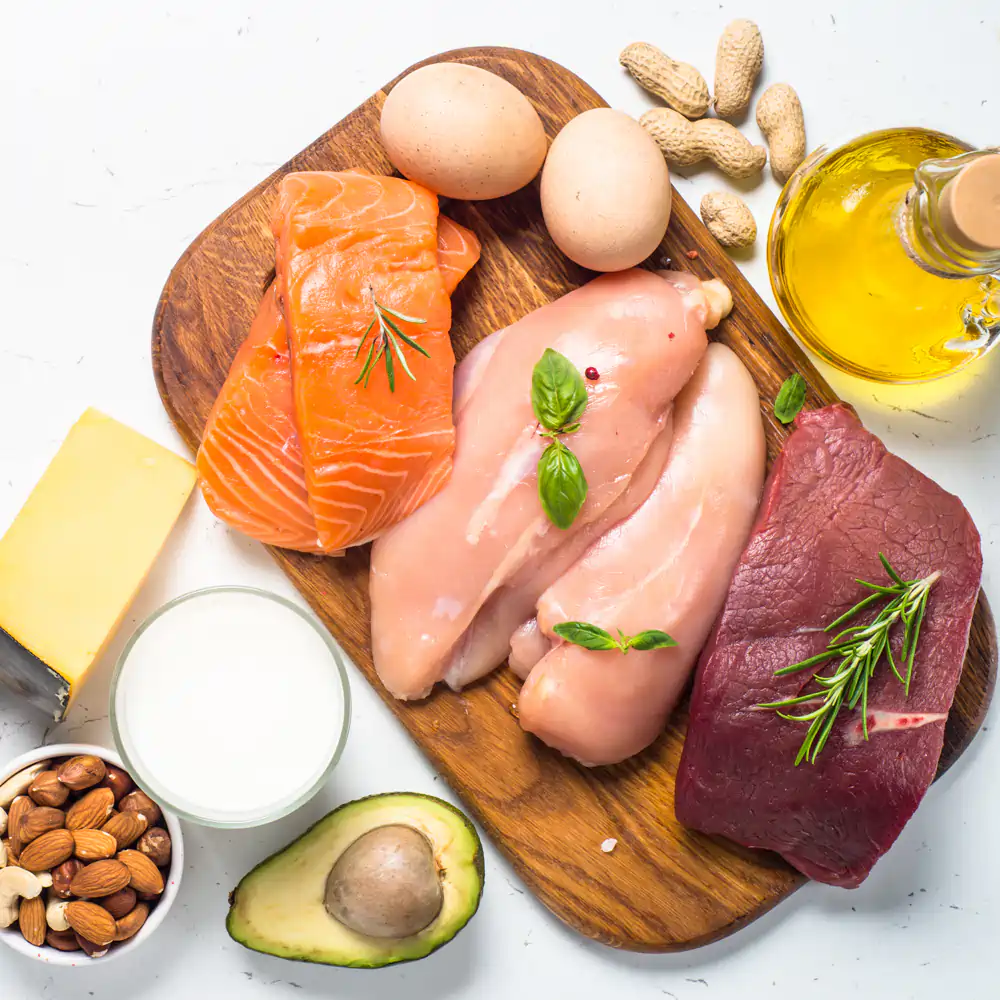
Beef, chicken, eggs, turkey, lamb, fish (especially salmon, sardines, mackerel)
Low-Starch Veggies
Spinach, kale, broccoli, arugula, zucchini, cabbage, Brussels sprouts, etc.
Nuts and Dairy (if tolerant)
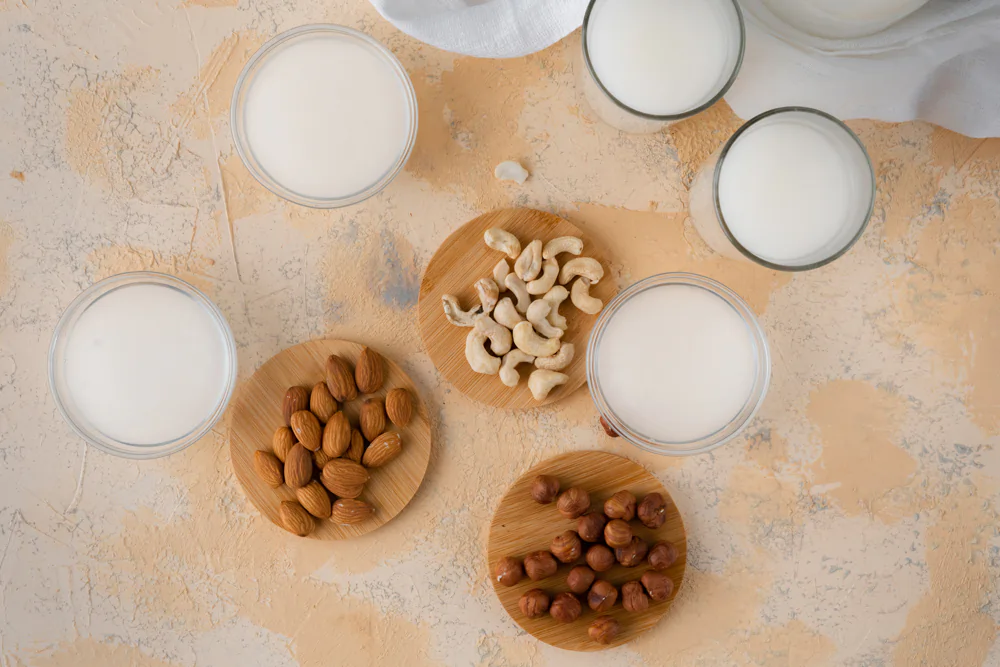
Nuts, seeds, olives, coconut oil, olive oil, grass-fed butter, and ghee.
Low Sugar Fruits
Berries, lemons, limes, and avocado.
Extras
Dark chocolate (85%+), nut butters, low-carb granolas, spices, and herbs.
Foods to Avoid on a Low-Carb Diet
Refined Carbs and Sugars
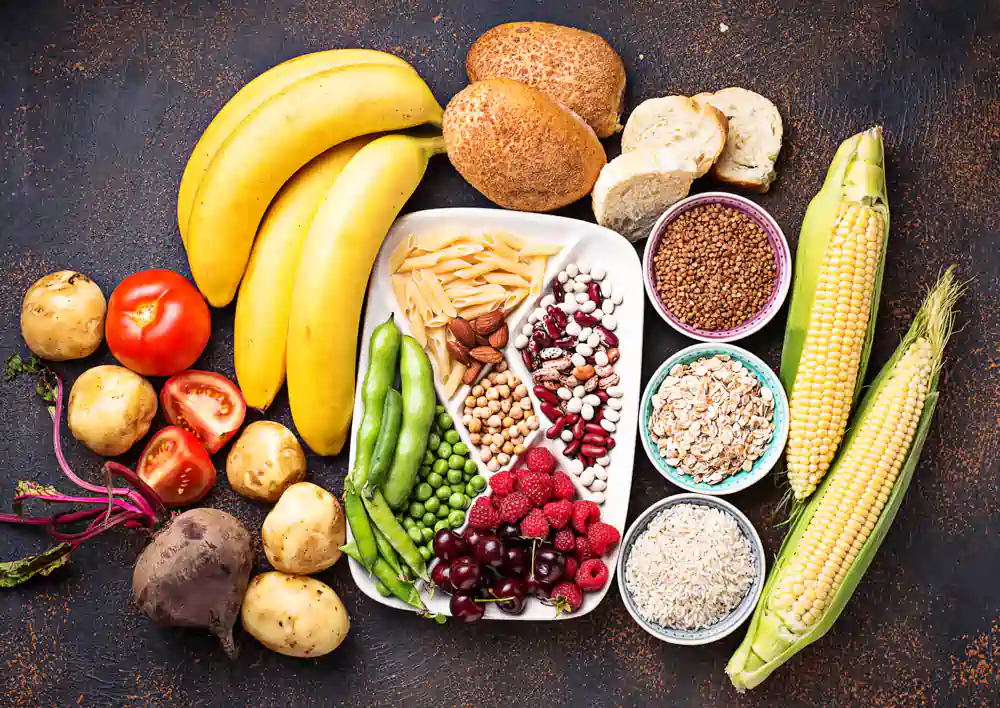
White rice, white bread, pasta, pastries, cakes, cookies, soda, and candy. These are simple carbs you should avoid.
Highly Processed & Fast Foods
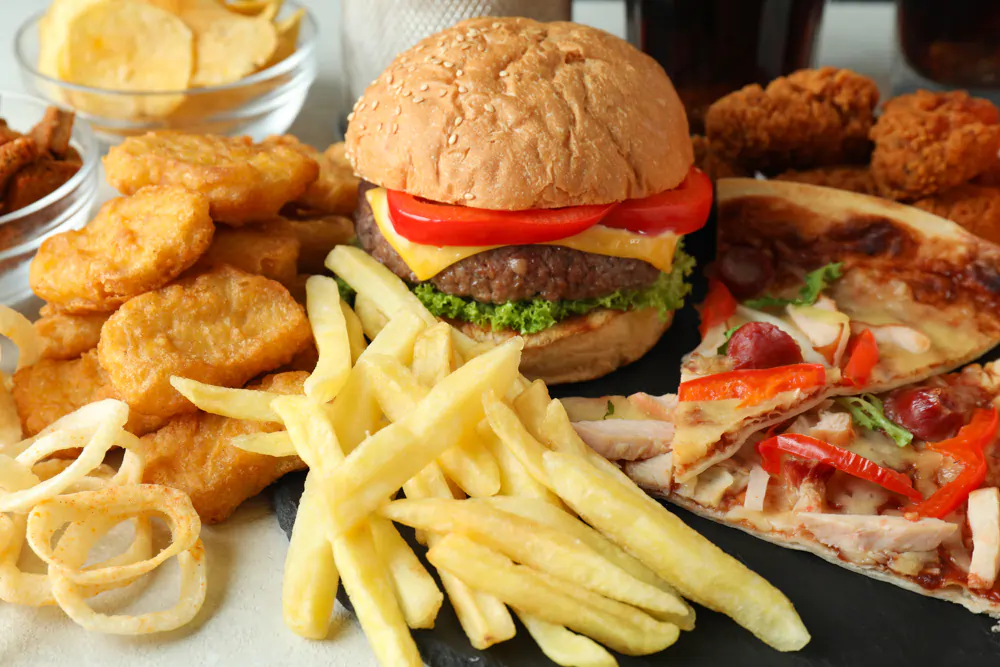
Fries, chips, nuggets, processed snacks, and anything ‘low fat’ (often high sugar; unhealthy carbs).
High Starch Foods
Potatoes, corn, peas, bananas, oatmeal, tortillas, and cereals.
Carb Swaps You’ll Love
To cut carbs, eat:
- Cauliflower rice instead of white rice
- Zoodles or shirataki noodles instead of pasta
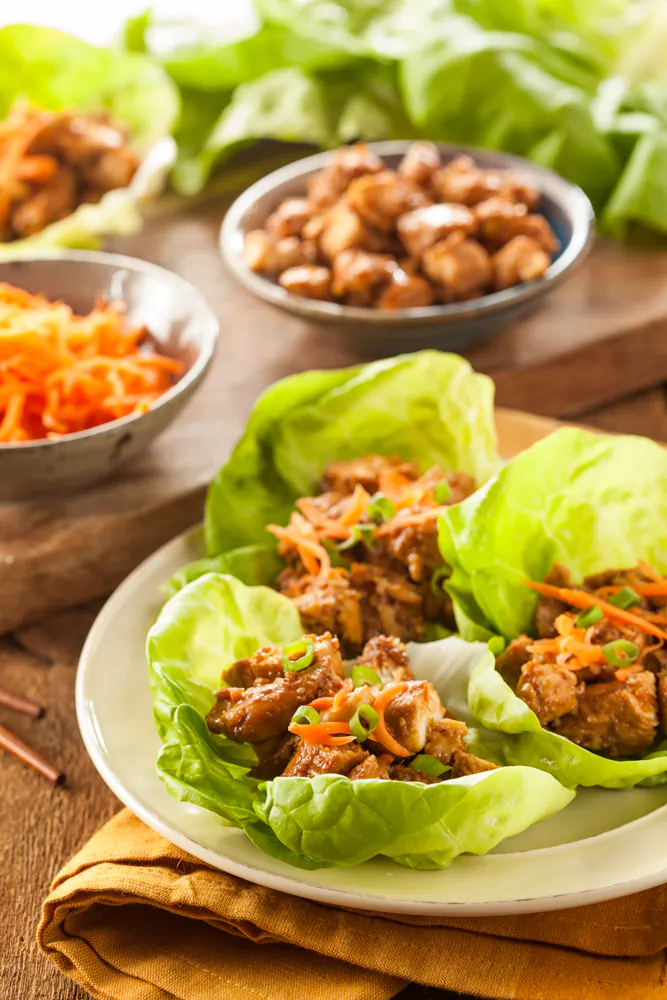
- Lettuce wraps, egg wraps, or almond flour tortillas instead of tortillas
- Seaweed snacks, parmesan crisps, or roasted chickpeas instead of potato chips
- Low-carb granola instead of sugary granolas
Low-Carb Grocery List Starter Pack
Here is your feel-good, clean-eating grocery haul:
- Avocados
- Salmon fillet
- Organic arugula and spinach
- Chia seeds and flax seeds
- Eggs
- Almond milk (unsweetened)
- Cauliflower rice
- Berries
- Dark chocolate
- Butter and ghee
What are the Benefits of a Low-Carb Diet?
If you are going to skip croissants, it better be worth it, right? Here is exactly what a low-carb diet does:
1. Weight loss
A low-carb diet is great for weight loss because:
- It lowers insulin levels, making your body burn fat.
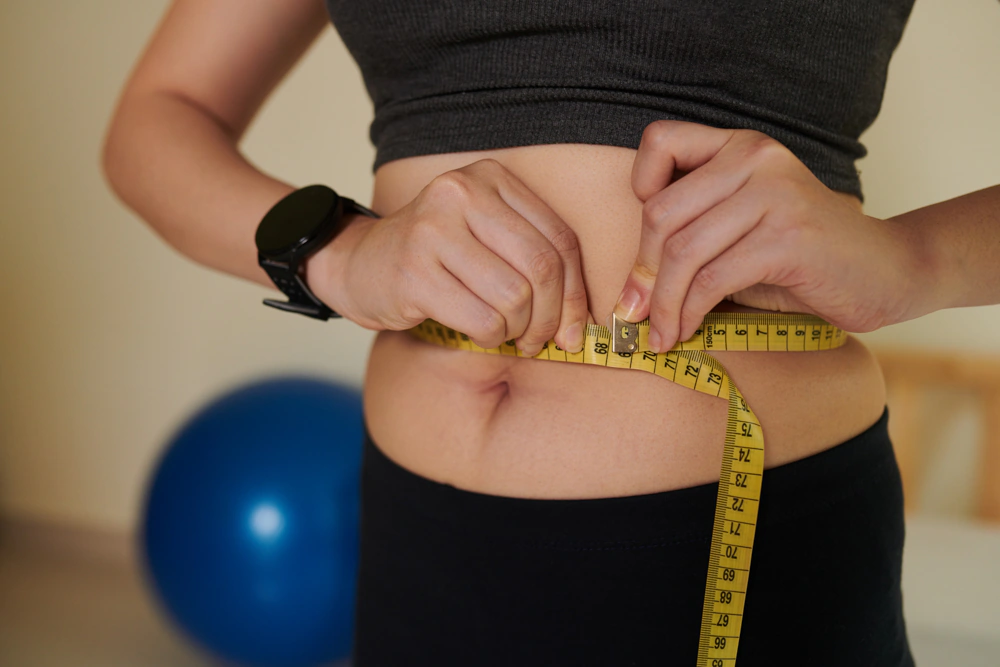
- Your body loses excess water weight first (flat tummy), then body weight over time.
- Makes you less hungry; fewer fridge and snack trips.
In fact, studies show that low-carb diets are more effective for weight loss than options such as low-fat diets.
2. Stable Blood Sugar and Insulin Control
Low-carb diets stabilize your blood sugar levels and improve insulin sensitivity. They also help prevent and reverse type 2 diabetes and prediabetes.
3. Better Focus: More energy, Less Brain Fog
You know how you feel sluggish or sleepy after a heavy (carb) meal? That’s your sugar spiking, then crushing.
A low-carb diet keeps your energy consistent, your brain sharp, and your sleep better.

4. Hormonal Balance (ESP for Women)
A low-carb diet improves hormones related to insulin/blood sugar (tied to your reproductive health), cortisol (stress hormone), and leptin/ghrelin (hunger/fullness hormone).
For women with PCOS, irregular periods, PMS, or fertility concerns, a low-carb diet with whole foods helps regulate cycles and ease symptoms.
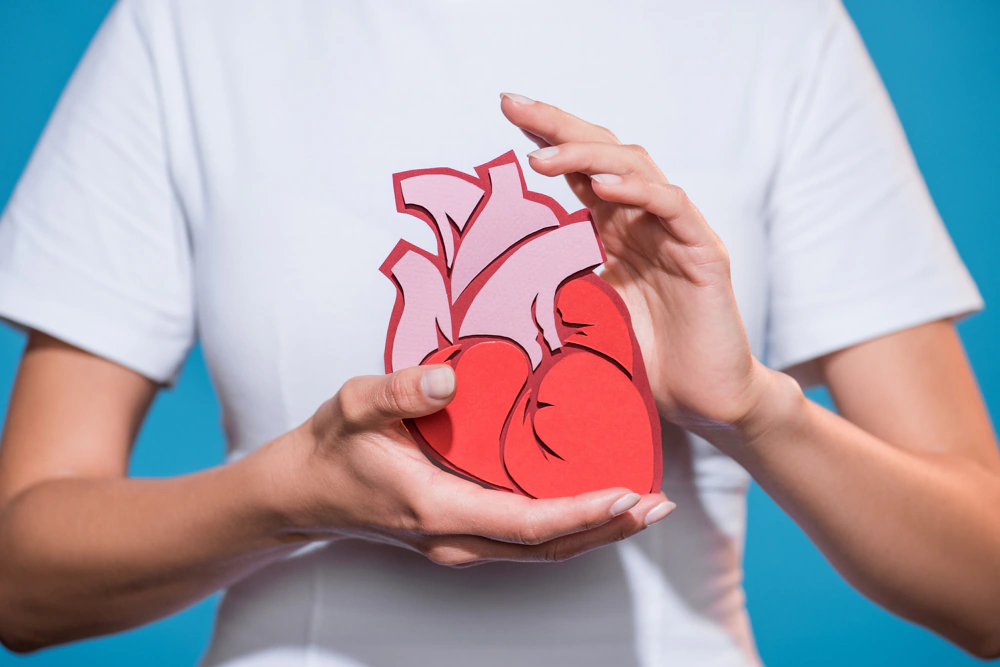
5. Heart Health
The good fats in a low-carb diet (from avocados, olive oil, nuts, and fish), minus sugar from processed foods, help keep your heart healthy. A low-carb diet is also linked with good cholesterol and reduced inflammation.
6. Reduces Bloating, Cravings, and Inflammation
A low-carb diet reduces puffiness and water retention associated with bloating, sugar cravings, and skin breakouts.
Risks and Side Effects of a Low-Carb Diet
You know how doctors say it’s going to feel a little worse before it gets better? Adjusting to a low-carb diet will definitely come with a few issues. Here’s what you need to know before you start:
1. The ‘Low-Carb Flu’ (Keto Flu)
The ‘Low-Carb Flu’ is when your body is going through carb withdrawals.
Common symptoms of the ‘Low-Carb Flu’ in the first 3-7 days:

- Headaches
- Brain fog
- Fatigue
- Dizziness
- Muscle cramps
- Irritability
Why: When you suddenly reduce carbs, your body flushes out water and electrolytes.
Fix: Hydrate! Add electrolytes (LMNT, Nuun, or a pinch of salt + lemon in your water), magnesium, and potassium (avocados, leafy greens, salmon).
2. Digestive Issues
A low-carb diet means cutting down on grains, fruits, and legumes, which are your sources of fiber. This slows down your bowel movements.
Fix: Add low-carb fibers like chia seeds, flaxseeds, leafy greens, avocado, and zucchini.

3. Mood Swings and Feeling Off
Cutting carbs reduces your brain’s glucose, making you feel some type of way. Although temporary, it’s very real, especially for people sensitive to dietary shifts.
Hack: Don’t cut carbs abruptly. Ease into it by reading quantities over a week or two. Also, eat enough protein and fat to stay full and happy.
4. Hormonal Fluctuations
Some women may experience irregular periods, missed cycles, and thinning hair, especially those with high stress or low body fat.
Tip: Avoid under-eating. Get enough calories and healthy carbs.
5. Nutrient Deficiencies
Cutting carbs increases the risk of missing out on essential nutrients: Magnesium, potassium, B-vitamins, and fiber.
Quality will matter. A low-carb diet with only eggs and steak isn’t the same as one with whole foods and nutrient-dense foods.
Tip: It’s not just about reducing carbs. You also want to add real food, colorful veggies, protein, and healthy fats.
6. Low-Carb Diets Are Not For Everyone
If you are pregnant, have diabetes, have a history of disordered eating, or are an athlete, then you might want to consider carefully what a low-carb diet will do for you.
Common Low-Carb Mistakes and How to Avoid Them
After stocking up on low-carb foods, most people tend to make several low-carb mistakes. Here is what you need to know and avoid:
1. Cutting All Carbs at Once
Low-carb doesn’t mean no carbs. After kicking out refined, processed, and fast foods, focus on nutrient-dense and slow-digesting carbs like leafy greens, berries, sweet potatoes, quinoa, and lentils.
2. Under-Eating or Not Eating Enough Calories
When you start a low-carb diet, you might be tempted to reduce your calories or portions. However, low-carb doesn’t have to be low-calorie. You need enough protein for your muscles and healthy fats for your brain.
3. Neglecting Electrolytes
As mentioned earlier, a low-carb diet needs serious hydration. Apart from drinking water, you will need sodium, potassium, and magnesium minerals. You can get these from salt, LMNT, Nuun, or Hydrant and foods like avocados, salmon, nuts, seeds, and leafy greens.
4. Not Planning Ahead
A low-carb diet needs preparation and planning. Otherwise, you will find yourself grabbing several muffins or other high-carb snacks.
To avoid this, stock on jerky, boiled eggs, nut packets, and low-carb protein bars.
5. Thinking ‘Keto’ or ‘Low-Carb’ is Actually Low-Carb
Relying on labels on packaged bars, shakes, or cookies is a common low-carb mistake. Most of these products have synthetic sweeteners.
You want to use these as treats and concentrate on real veggies, proteins, and fats.
How to Start A Low-Carb Diet Without Risks/Side Effects
Ease Into It
Don’t cut all carbs at once. Start with obvious sugars, then swap foods like white rice with low-carb options, and slowly increase proteins and healthy fats.
Hydrate
A low-carb diet removes water and electrolytes from your body. So, you will need to drink more water than usual and with electrolytes from salt and supplements like LMNT, Ultima, or Nuun.

Stock Protein and Healthy Fat
Low-carb beginners do not eat enough calories. To get enough calories, stock eggs, chicken, fish, beef, avocado, olive oil, and nuts.
Listen to Your Body
Some people need very little carbs, while others need quite a bit more. So, feel free to adjust and listen to your body accordingly.
Common Low-Carb Questions Answered
Recap
Don’t cut all carbs at once. Also remember to hydrate. Otherwise, reach out for any questions or comments:)