8 Personal Wellness Areas for Building a Happier, Healthier Life
We all want success. To be fit. Have a great job. A beautiful home. Friends and relationships we are excited about. And people who are excited about us. We want to be happy and have some kind of personal wellness!
The truth is personal wellness goes beyond money, physical fitness, and other superficial things.
Let’s break down what personal wellness is and the 8 key areas of personal wellness you should focus on, and how to cultivate each. Remember to get a FREE Wellness Wheel worksheet at the end to evaluate each area of your wellness.
So, what is Personal Wellness?
Personal wellness is simply taking care of yourself to be happy and fulfilled. It is an active process of making choices that lead to a healthier, happier life.
Here’s the kicker, all aspects of your life are interconnected. For instance, improving your sleep and nutrition will likely improve your productivity, health, relationships, sex, etc. Similarly, ignoring one aspect of your wellness, like your or finances, will throw off your balance.
Why Is Personal Wellness Important?
Paying attention to your personal wellness will help you:
- Develop stronger mental health, meaning less stress and anxiety.
- Have energy, be more productive, and improve your focus.
- Improve your communication and build better relationships and deeper connections.
- Enhance your health and make you less likely to get sick or develop chronic diseases.
- Most importantly, be happy.
However, ignoring your wellness can lead to serious problems like chronic stress, emotional exhaustion, financial crises, and even long-term health issues.
There are 8 key areas of wellness you should focus on. Let’s break them down:
Physical Wellness
Move more. Eat better.
Physical wellness involves caring for your body through a healthy diet, fitness, weight management, and adequate sleep. It also involves personal safety and limiting unhealthy behaviors like smoking and excessive alcohol.
Fun fact: Regular physical activity can add up to five years to your life!

Tips to Develop Physical Wellness:
- Engage in the recommended 150 minutes of moderate physical activity weekly. Walk. Dance. Run. Exercise. Yoga. Just move your body! Did you know that only a quarter of American adults get enough exercise every day?
- Add strength training exercises twice a week. Steps are great, but lifting weights is a whole other level of fitness.
- Don’t just eat balanced diet. Find out which diet works for you. Like Keto if you’re looking to lose weight, paleo if you like your food natural, Mediterranean if you like wine but also want to protect your heart. Also choose complex carbs, superfoods, high protein & fiber diets etc.
- Hydrate! 8 glasses of water daily. Or herbal teas. And electrolytes.
- Sleep is your superpower; aim for 7-9 hours every night.
- Avoid smoking and limit alcohol consumption.
Social Wellness
Connect with Others.
“We can live without religion and meditation, but we cannot survive without human affection.” — Dalai Lama
One of my favorite TED talks is about happiness and what makes a good life. It comes from a 75-year study about people who are happy in life. Here’s the video:
According to this study, good relationships are the key to long-term happiness and health:
- People with close social connections (family, friends, community) are happier, live longer, and experience less chronic illness. In contrast, loneliness is harmful. It causes earlier physical and mental decline.
- Quality over quantity! You don’t need many friends; you need deep, supportive relationships. Also, toxic relationships (filled with conflict) are as harmful as smoking or excessive alcohol.
- Good relationships protect our brains. Being in secure, trusting relationships keeps you mentally sharper. Also, emotional support reduces stress and prevents memory decline.
Social wellness is simply about having meaningful connections: family, friends, and community. Healthy relationships reduce your stress, increase your happiness, and provide you with emotional support.
Emotional & Mental Wellness
Practice Gratitude.
Emotional wellness is being able to understand, express, and manage your emotions in a healthy way. Being emotionally well is vital for a healthy relationship with yourself and others. And to deal effectively with life’s difficulties.
On the other hand, mental wellness is about being resilient, self-aware, and able to manage stress.
How to improve your Emotional and Mental Wellness:
- Journal to express your thoughts and feelings. Journaling helps to disclose emotions rather than stuff them down. It also helps you process experiences.
- Meditate and practice mindfulness. This could be as easy as taking 5 minutes to relax and focus on your breathing and just calm down from distractions.
- Notice when you’re stressed and develop healthy coping mechanisms.
- Practice positive self-talk and self-compassion.
- Connect with supportive family and friends.
- Immerse yourself in creative outlets like art or music. And any activities that bring joy and relaxation.
- Set realistic goals and celebrate when you achieve them.
Intellectual Wellness
Boost your Brain.
“Once you stop learning, you start dying.” — Albert Einstein
Intellectual wellness is about remaining curious, expanding your knowledge, creativity, and critical thinking. Basically, find ways to engage and develop your mind. An active and open mind leads to a life filled with passion and purpose.

Practical Ways to Develop Intellectual Wellness
- Read books, articles and listen to podcasts and TED Talks often.
- Learn a new skill or language.
- Stay updated with current events.
- Write a journal or blog.
- Solve puzzles and play brain games. If you’re into boardgames, please leave a comment 😀
- Immerse yourself in a new culture or explore new perspectives. Travel. Engage.
- Engage in debates and meaningful discussions.
- Set learning goals for personal growth.
Spiritual Wellness
Nourish Your Soul.
Are you at peace?
Spiritual wellness is about having a sense of purpose, inner peace, and meaning in life. It is the harmony that comes from understanding your values, beliefs, and what truly fulfills you.
You don’t necessarily have to practice religion. Spiritual health can involve connecting with nature, self-reflection, meditation, and more.

Ways to Nurture Spiritual Wellness:
- Meditate or pray.
- Spend time in nature to reflect. Touch grass! 😊
- Keep a gratitude journal.
- Be kind.
- Create a vision board for life goals.
- Practice mindfulness and self-awareness.
- Let go of negative emotions and focus on forgiveness.
Occupational Wellness
Do fulfilling Work.
“Your work is going to fill a large part of your life, and the only way to be truly satisfied is to do what you believe is great work.” — Steve Jobs
On average, people spend about 34% of their time at work. If you are unhappy about your work, work environment, or personal growth, your occupational wellness will suffer, impacting your health and happiness!

So, get a job about something you enjoy. Plus a positive work environment, surrounded by people who support you and your goals. And strive for a healthy work-life balance.
Occupational wellness is finding satisfaction, balance, and growth in your career and work.
Tips for Cultivating Occupational Wellness:
- Choose work or a career in a field you are excited about.
- Maintain a healthy work-life balance.
- Continuously develop new professional skills.
- Create a positive and organized workspace.
- Rest/take breaks to prevent burnout.
- Communicate effectively with colleagues.
- Explore side projects or hobbies for fulfillment.
Financial Wellness
Plan Your Money.
Fun Fact
Studies show that financial stress is one of the leading causes of anxiety and relationship issues.
Over 60% of Americans live paycheck to paycheck. And about 50% of those earning $100,000 also live paycheck to paycheck. So, it’s not about how much you earn; it’s how you spend and save. But, how do you become financially ‘well’?
Financial wellness means managing money effectively and securing your future. Poor financial decisions impact your life severely.

8 Steps to Build Your Financial Wellness:
- Create and stick to a budget. A budget tells your money where to go instead of wondering where it goes.
- Track your daily expenses.
- Save at least 20% of your income. Warren Buffet says people should not save what is left after spending but spend what is left after saving.
- Pay off debts systematically.
- Invest in long-term financial goals. This can take the form of planning for retirement early.
- Build an emergency fund.
- Avoid impulse purchases.
- Learn about personal finance through books, courses, professionals, or communities such as r/personalfinance.
Environmental Wellness
Care for the Earth.
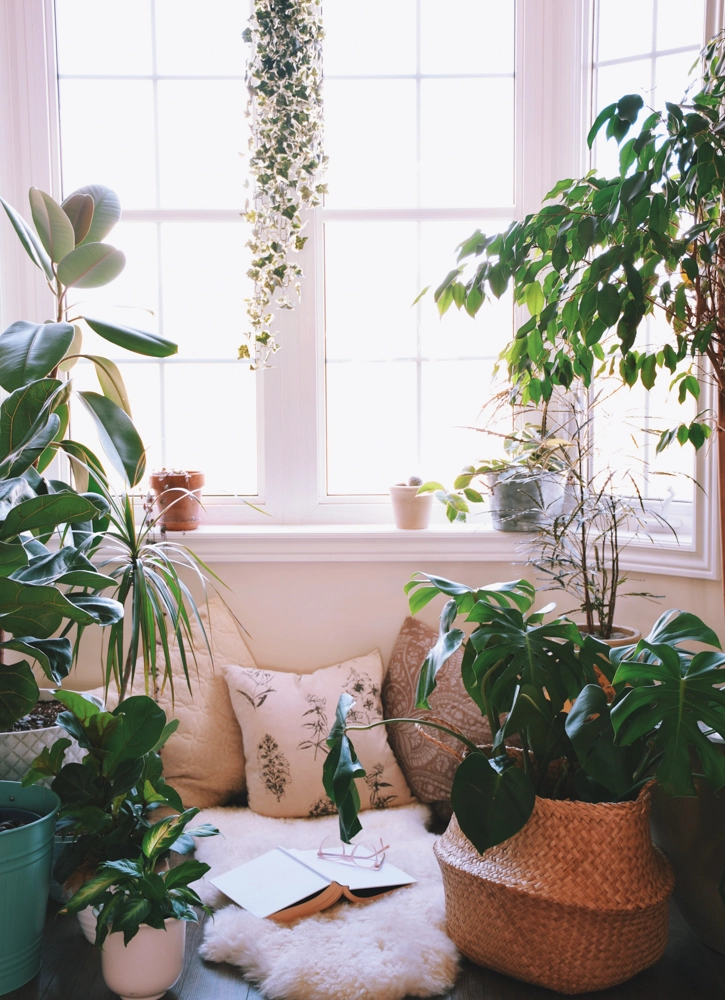
Environmental wellness involves caring for the spaces around you; your home, workplace, etc. A clean, safe, and organized space reduces stress and enhances productivity.
Tips for Environmental Wellness:
- Keep a clean, organized house or environment.
- Grow indoor plants or start a garden.
- Use scents you enjoy around your house or place you spend time.
- Reduce, reuse, and recycle. Use eco-friendly products and minimize plastic use.
- Conserve water and energy.
The Wellness Wheel
Evaluate Your Personal Wellness.
The Wellness Wheel illustrates the 8 key areas of wellness and tells you how you are doing in each wellness dimension. All areas of your well-being must be healthy and cared for you to be optimally healthy.
Here is a blank wellness wheel worksheet to print and fill in:
Get the Wellness Wheel worksheet
Enter your email below to receive a free Wellness Wheel worksheet delivered to your inbox.
It has sample questions to help you with each area. Fill in the sections of the wellness wheel using a scale of 1-5, with 5 meaning you are fully content with that dimension, while 1 means you think that dimension needs immediate improvement. The idea is that you to visualize the dimensions that need work by those sections extending toward the outside edge of the wheel.
I hope you find this guide helpful in your wellness journey:) You can find other wellness materials below or share your feedback and ask questions.