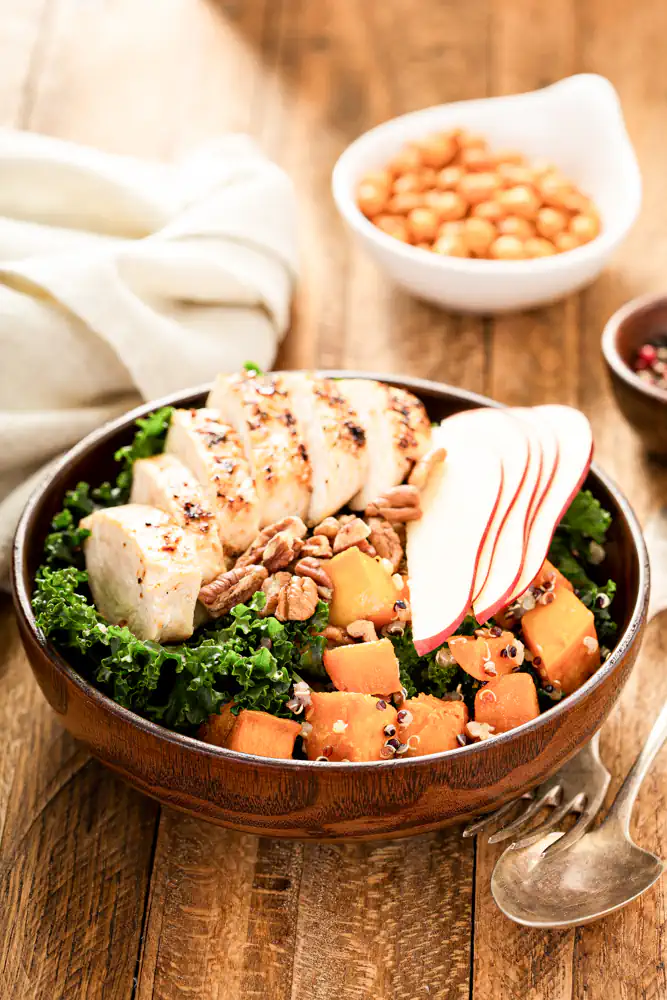
Mediterranean Diet 101: Food List, Benefits & How to Start As A Beginner
When I hear “Mediterranean diet“, I picture a Greek market; grapes, fresh vegetables, the smell of fish and a salty sea breeze…
In the next few minutes, we unpack what the Mediterranean diet is, foods in the Mediterranean diet food list and the health benefits that make the Med diet one of the best eating patterns worldwide. By the end, you’ll know how to Mediterraneanize your meals, get a Mediterranean diet meal plan and discover the mistakes to avoid when starting out.
This post contains affiliate links. I may earn a small commission, at no extra cost to you.
What Is the Mediterranean Diet?
The Mediterranean diet is a style of eating that encourages plant-based foods and healthy fats. At its heart, Mediterranean-style eating involves
- Fresh seasonal produce like veggies and fruits
- Healthy fats like extra virgin olive oil
- Fish, seafood, and poultry
- Whole grains and legumes
- and wine in moderation

Fun Fact: The Mediterranean comes from the people living along the Mediterranean Sea (Southern Italy, Greece, Spain, Morocco). In the 1960s, researchers noticed these populations had remarkably low heart disease rates and longer life expectancies. This started the Mediterranean diet, which is now one of the healthiest diets in the world, and ranked #1 by U.S. News & World Report.
Mediterranean Diet Food List
What To Eat on the Mediterranean Diet
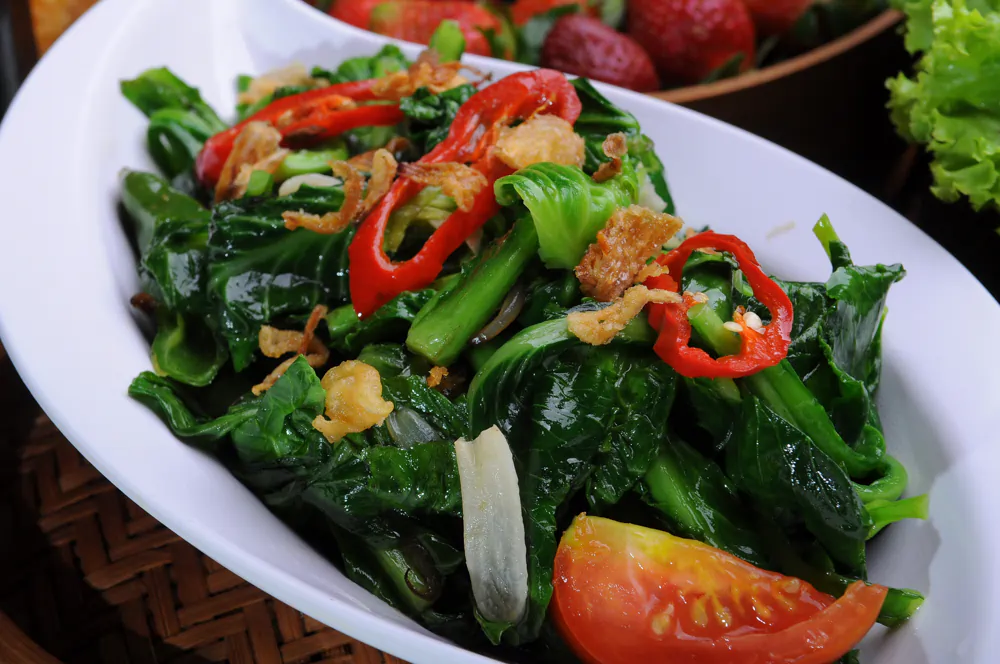
1. Vegetables
Eat these with every meal. You can grill, roast, eat them raw, or toss them in olive oil.
They include leafy greens like spinach, arugula, kale; tomatoes, zucchini, eggplants, bell peppers, onions, garlic, mushrooms, broccoli, cauliflower, and artichokes.
2. Fruits
Eat these as dessert, breakfast, or snacks:
Oranges, grapefruit, lemons, apples, pears, grapes, berries, figs, dates, watermelon, and pomegranate.

3. Legumes.
Legumes are excellent sources of fiber and protein. They are also budget-friendly and gut-friendly:
Chickpeas, lentils, all kinds of beans, and edamame.

4. Whole Grains
Yes, the Med Diet allows healthy carbs, but not refined carbs. Whole grains are nutrient-dense:
Oats, whole grain sourdough, brown rice, quinoa, bulgur, farro, and couscous.
5. Proteins (from fish, seafood, and plants)

Unlike the carnivore diet that advocates for fatty red meat, the Mediterranean diet involves eating fish and lean proteins:
Fish and seafood: Salmon, sardines, tuna, mackerel, shellfish, and shrimp.
Poultry: Chicken, turkey, and eggs.
Dairy products: Greek yoghurt, kefir, cottage cheese.
6. Healthy Fats (Core Mediterranean Food)
Healthy fats are the heart of the Mediterranean diet:
Extra virgin olive oil, avocados, nuts like almonds, walnuts, pistachios; seeds like flax, chia, sunflower, and sesame; and nut butters.
7. Flavor and spices
The Mediterranean diet is delicious because it’s seasoned with:
Fresh herbs like parsley, basil, mint, garlic, onions, shallots; spices like cumin, paprika, and cinnamon; vinegars like balsamic and red wine; lemon juice, olives, and capers.
8. Occasional treats

Ladies, gather here. If you like a little wine every now and then, here’s the good news. The Mediterranean diet encourages a glass of red wine with dinner (optional, not mandatory). Plus dark chocolate.
Other treats are small amounts of red meat, coffee and espresso.
What Not To Eat on the Mediterranean Diet:
On the Med diet, avoid sugary drinks (sodas), processed snacks (cookies and chips), fast food, and deep-fried foods, refined carbs (white bread and pasta), ultra-processed meats (hotdogs, bacon, and sausages), and lastly, anything artificial.
What a Day of Eating the Mediterranean Diet Looks Like
Breakfast
Avocado toast with olive oil and cherry tomatoes. A boiled egg and mint/lemon tea on the side.
Mid-morning Snack
Greek yoghurt with berries or a sprinkle of walnuts.

Lunch
Chickpea + roasted veggies with whole grain pita or farro on the side.
A glass of water.
Afternoon Snack
A small black coffee or espresso with a few almonds.
Or a square of dark chocolate.
Dinner

Grilled salmon with quinoa and sautéed greens.
And a glass of red wine.
Evening Treat
A sliced pear.
Or grapes and herbal tea.
7-Day Mediterranean Diet Meal Plan
(Delicious, beauty boosting, gut-friendly Mediterranean meals)
Get the Meal Plan
Enter your email below to receive our free 7-Day Mediterranean Diet Meal Plan delivered to your inbox.
Health Benefits of the Mediterranean Diet
1. Feel Better!
It’s one thing to read about a healthy diet. It’s another thing to actually experience it. The Mediterranean diet makes your body feel great. Within weeks, people on the Med diet report:
- More stable energy
- Fewer cravings
- Less bloating and better digestion
- Improved mood
- A lighter, more nourished body
- A clearer skin
2. Heart health
The Mediterranean diet encourages healthy fats, which reduce bad cholesterol. It also lowers blood pressure and improves blood vessel function.
3. Anti-Inflammatory Effects
Antioxidants and polyphenols from vegetables, fruits, and red wine in the Mediterranean eating style reduce inflammation in the body.

4. Brain Protection and Mood Support
The Mediterranean lifestyle is rich in omega-3s, B vitamins, and magnesium, which prevent cognitive decline and the risk of depression.
5. Weight Management without Dieting
This Greek eating style regulates your appetite due to fiber and healthy fats that keep you full. In fact, the Mediterranean diet is known to reduce cravings.
6. Beauty: Mediterranean Glow-Up
The Med-diet is low-key a skincare routine. Here’s how:
Glowing Skin: Olive oil, avocados, and nuts support your skin health and boost hydration.
Anti-aging: Antioxidants in red wine and berries protect your cells.
Hormone regulation: Fiber and healthy fats in the Mediterranean regulate estrogen, PMS, and the menstrual cycle.
Mood = Beauty: A balanced blood sugar reduces mood swings and stress, thus fewer skin flare-ups.
“Healthy skin starts from inside. The Mediterranean Diet supports hydration, collagen, and hormone balance, which are essential for a healthy, glowing skin.”
— Dr. Whitney Bowe, dermatologist & nutrition researcher
What Women Love about the Mediterranean Diet:

- You don’t have to count or give up carbs.
- Wine and dark chocolates.
- It’s more about pleasure than restriction.
- Excellent for calming hormones, PMS, and cycle health.
- It looks beautiful on your plate and Pinterest board.
Mediterranean Diet Mistakes Most Beginners Make
Although this diet is simple, it’s easy to go wrong with a few things:
1. Overloading on Bread, Pasta, and Cheese
Healthy carbs are allowed on the Mediterranean diet. However, that doesn’t mean bottomless bowls of spaghetti and mozzarella sticks.
Choose whole grains. Pair them with healthy fats and protein to avoid blood sugar spikes. Also, portion mindfully.
2. Thinking Wine and Olive Oil are Magic Fixes
Olive oil and red wine are Med diet staples. But they are not magic wands for longevity and glowing skin.
Use extra virgin olive oil, not any other oils. Also, drink only one small glass of wine with dinner, if any. Remember Med diet is a whole pattern and not two ingredients.
3. Underestimating Prep Time
Fresh veggies and home-made meals take time and preparation. Without this, it’s easy to fall off and UberEats pizza.

Tip: Batch-cook or buy grains and legumes on the weekends. Keep chopped veggies on hand. Also, stock up on Mediterranean staples in your freezer and pantry.
4. Forgetting That Lifestyle Is Part of the Diet
The Mediterranean diet is as much about how you live as what you eat.
Tips: Walk after meals. Make meal times sacred; no scrolling, and eat slowly and mindfully. Also, eat with others when possible: community is medicine.
5. Trying to Take it “Perfect” from Day One
Mediterranean eating is flexible. Start with one upgraded meal a day and give yourself time to adjust.
Mediterranean Diet vs Keto, Paleo, and DASH — Which One Fits You Best?
Quick Diet Comparison Chart
| Feature | Mediterranean | Keto | Paleo | DASH |
| Whole Foods Focus | High | High | High | High |
| Whole Grains | Encouraged | Avoided | Avoided | Limited |
| Refined Carbs | Minimized | Avoided | Avoided | Minimized |
| Animal Protein | Lean + Fish | High (often fatty) | Moderate/High | Lean |
| Dairy | Moderate (yogurt, cheese) | High (heavy cream, cheese) | None | Low-fat |
| Wine Allowed? | Yes (moderation) | No | No | Rare |
| Heart-Healthy? | Yes (evidence-based) | Mixed evidence | Limited studies | Yes |
| Weight Loss Potential | Strong (balanced) | Rapid (short-term) | Moderate | Moderate |
| Lifestyle Friendly? | Yes | Restrictive | Restrictive | Medical-feeling |
| Backed by Science | Extensive | Emerging | Limited | Clinical guidelines |
Which Diet Is Best for YOU?
The Mediterranean diet is the best choice for you if you want:
- Long-term health and beauty benefits
- A flexible way of eating
- Glowing skin, hormonal balance, and gut-friendly meals.
- To enjoy carbs, dairy, and occasional wine
However, it is not a great choice for if you are looking for:
- Rapid weight loss without a lifestyle change
- Not cooking or prepping fresh food
- Following a therapeutic diet like medical keto
“The Mediterranean Diet is one of the few scientifically researched diets that supports heart, brain, metabolic, and hormone health without extremes.”
— Dr. David Katz, founder of Yale-Griffin Prevention Research Center
Mediterranean Diet Myths & Misconceptions
1. The Mediterranean Diet is Eating Pasta, Cheese, and Wine Every Day
Pasta, wine, and cheese are just some parts of the Med diet. But the real foundation of the Mediterranean diet is veggies, healthy fats, legumes, and whole grains.

2. It’s Only for People Who Live in Europe
The Med diet is inspired by people living around the Mediterranean Sea, but anyone can Mediterraneanize their meals with fresh produce, extra virgin olive oil, fish, and whole grains.
3. You Have to Drink Red Wine
No, it’s optional. There is also grape juice, berries, pomegranate, and hibiscus tea, which also have polyphenols.

4. It’s Too Expensive
The Med diet can be luxurious or budget-friendly, depending on your plan. Legumes, whole grains, and fresh produce are affordable. Or you can splurge on premium extra virgin olive oil if you want to.
5. It’s Another Weight Loss Diet
This diet is not for shrinking, but it can result in weight loss. The Mediterranean diet nourishes your body for longevity, beauty, and balance.
Mediterranean Diet FAQs with Expert-Backed Answers
1. Can I lose weight on the Mediterranean Diet?
Yes. The Mediterranean diet is not restrictive but is high in fiber and healthy fats that regulate metabolism.
2. Is the Mediterranean Diet good for vegetarians or vegans?
Yes, the Med diet is mainly plant-based. Fish can be replaced with legumes, eggs, and dairy for vegetarians, and veggies, legumes, and olive oil for vegans.

3. Is the Mediterranean diet safe for people with diabetes or PCOS?
Yes. The Med diet is low glycemic, rich in fiber, and high in anti-inflammatory foods. So, it reduces insulin resistance and promotes healthy blood sugar levels.
4. What if I don’t like fish or olives?
Eat legumes, eggs, tofu, tempeh, or chicken. There is also olive oil, nuts, and herbs.

5. Is this diet okay for kids and families?
Yes, it’s safe and nourishing for all ages. Manage portion sizes and obviously don’t give kids wine.
6. Do I need to count Calories?
No. Focus on whole foods, portion control, and enjoy your meals.
Mediterranean Diet Resources:
Recap and Conclusion
The Mediterranean largely consists of fresh produce, legumes, whole grains, lean meats like fish and seafood; as well as wine.
There is no specific way of eating the Mediterranean diet. The idea is to find what works for you and stick with it.