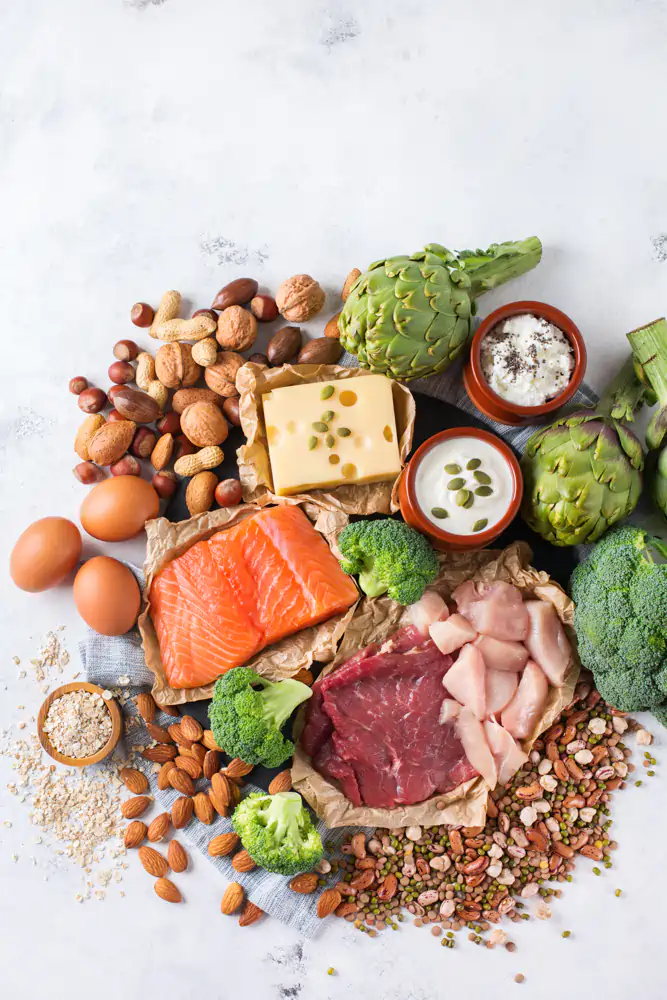
Fiber: Types, Benefits, How Much We Need & Best Sources
Although often overlooked, fiber has numerous health benefits. They include digestion, weight management, cardiovascular health, and brain and mental health.
Fiber is a type of complex carb made up of the part of plant foods our bodies can’t fully digest. It passes through the digestive system almost intact.
In this guide, we’ll break down types of fiber, what fiber does in our bodies, how much fiber we need, the best sources of fiber, health benefits of fiber, and tips for increasing fiber intake without bloating.
Why Is Fiber Important?
Eating a fiber-rich diet helps with:
- Digestion and preventing constipation
- Reducing cholesterol and risk of heart disease
- Weight control and stable blood sugar
- Healthy gut microbiome
- Lowering the risk of colorectal cancer and inflammatory diseases
Types of Fiber (Soluble vs. Insoluble + Resistant Starch)
There are three main types of fiber:
1. Soluble Fiber

Soluble fiber dissolves in water and forms a gel-like substance that slows digestion. It also helps control blood sugar and lower cholesterol.
This makes it great for people with diabetes and heart conditions. Also, slowing digestion helps with weight loss and weight management.
Sources of Soluble Fiber
- Oats
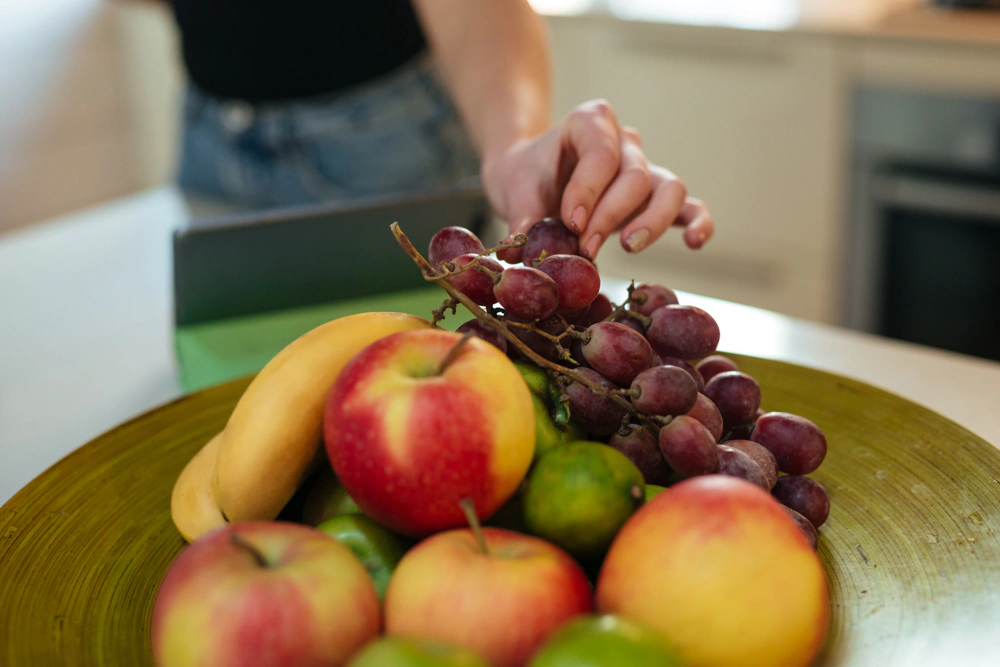
- Apples
- Citrus fruits
- Barley
- Beans
- Lentils
- Psyllium husk
2. Insoluble Fiber
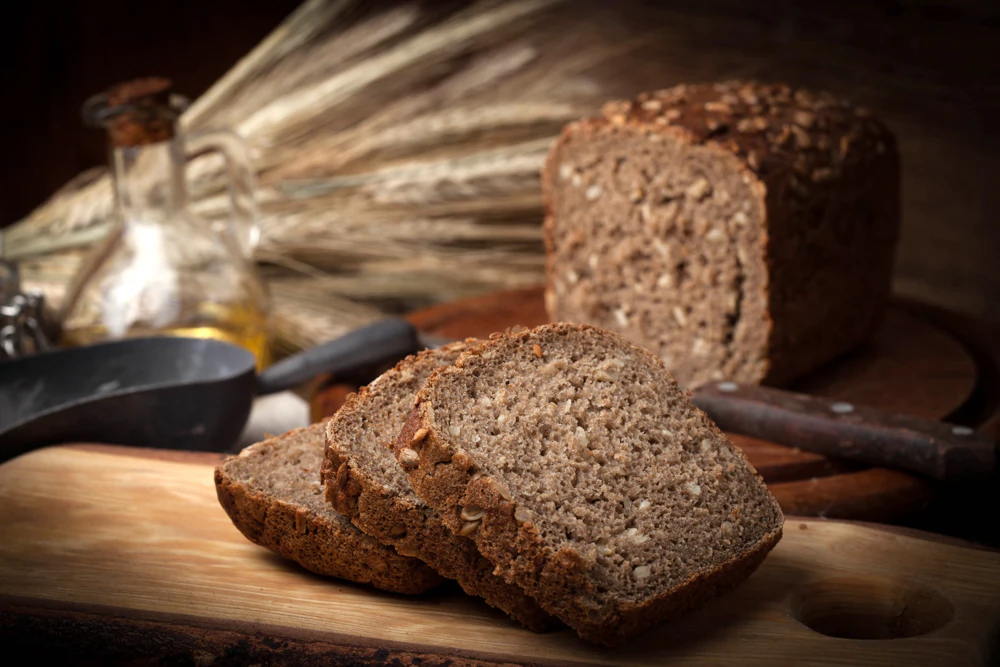
Unlike soluble fiber, which dissolves in water, insoluble fiber does not dissolve in water. It adds bulk to stool and helps food to pass through the digestive system.
Thus, it helps clear waste and prevents constipation and conditions like diverticulitis and hemorrhoids.
Tip: If you have irregular bowels, try eating foods with insoluble fiber.
Sources of Insoluble Fiber
- Whole wheat
- Brown rice
- Nuts
- Cauliflower
- Green beans
- Potatoes (especially skin)
- Wheat bran
3. Resistant Starch (Great for a healthy microbiome)

Resistant starch is a special kind of starch that does not digest in the small intestines. Instead, it ferments in the large intestine and acts as prebiotic fiber.
Resistant starch feeds healthy bacteria in our gut. It also helps produce butyrate, which improves insulin sensitivity.
Sources of Resistant Starch
- Green bananas
- Cooked and cooled potatoes
- Cooked and cooled rice
- Legumes
- Whole grains
Fiber’s Role in the Digestive System
1. Slows Down Digestion (Which is a Good Thing)
Soluble fiber absorbs water and expands, creating a gel-like substance that slows digestion. This makes you feel full for longer and helps with glucose and nutrient absorption.
Fun fact: A fiber-rich meal can extend digestion from 2 to 4+ hours!
2. Adds Bulk to Stool and Clears Waste
Insoluble fiber adds volume to your waste and helps it move along the digestive system. It prevents constipation and keeps your bowels regular.
3. Feeds Your Good Bacteria
Fibers such as resistant starch and inulin (from bananas) act as prebiotics, which feed your good bacteria.
They also help produce short-chain fatty acids like butyrate that strengthen the gut lining, reduce inflammation, and enhance immune function.
Fun fact: Our gut has over 100 trillion microbes that feed on Fiber.
4. Improves Bowel pH & Protects the Colon
Fiber produces acid as it ferments in the large intestine, lowering the colon’s pH. This helps protect the gut against harmful bacteria and colectoral cancer.
High-Fiber Foods to Eat (Categorized by Type & Source)
I. By Type of Fiber
Soluble Fiber (slows digestion, lowers cholesterol)
- Oats (1/2 cup dry) 4g
- Apples (1 medium) 4.4g
- Citrus fruits (1 orange) 3.1g
- Carrots (1 cup raw) 3.6g
- Flaxseed (1 tbsp) 2.8g
- Barley (1/2 cup cooked) 3g
- Psyllium husk (1 tbsp) 6g

Insoluble Fiber (adds bulk, supports bowel movements)
- Whole wheat bread (1 slice) 2g
- Brown rice (1 cup cooked) 3.5g
- Kale (1 cup raw) 1g
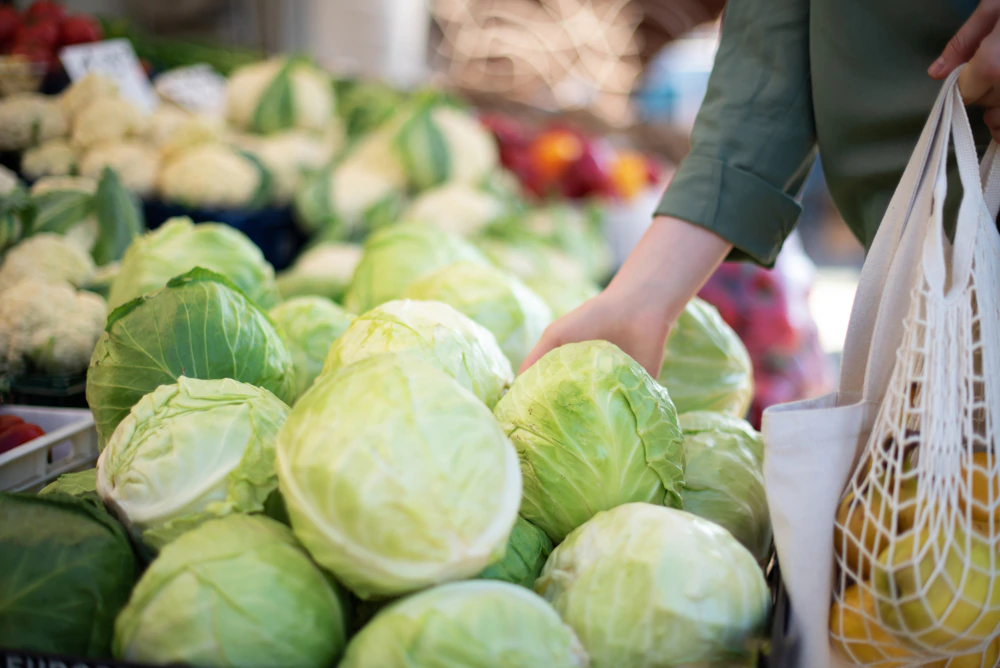
- Cabbage (1 cup raw) 2g
- Nuts (1 oz almonds) 3.5g
- Green beans (1 cup cooked) 4g
Resistant Starch & Prebiotic Fiber (feeds good bacteria)
- Cooked & cooled potatoes Resistant starch
- Green bananas Resistant starch
- Chicory root Prebiotic (inulin)
- Garlic & onions Prebiotic
- Leeks & asparagus Prebiotic
- Lentils (1 cup cooked) Resistant starch + Fiber

II. By Food Group
Fruits
- Raspberries (1 cup) 8g
- Pear with skin (1 med) 5.5g
- Avocado (1/2 fruit) 5g
- Banana (1 medium) 3g
- Figs (2 medium) 3.5g
- Prunes (5 pieces) 3g
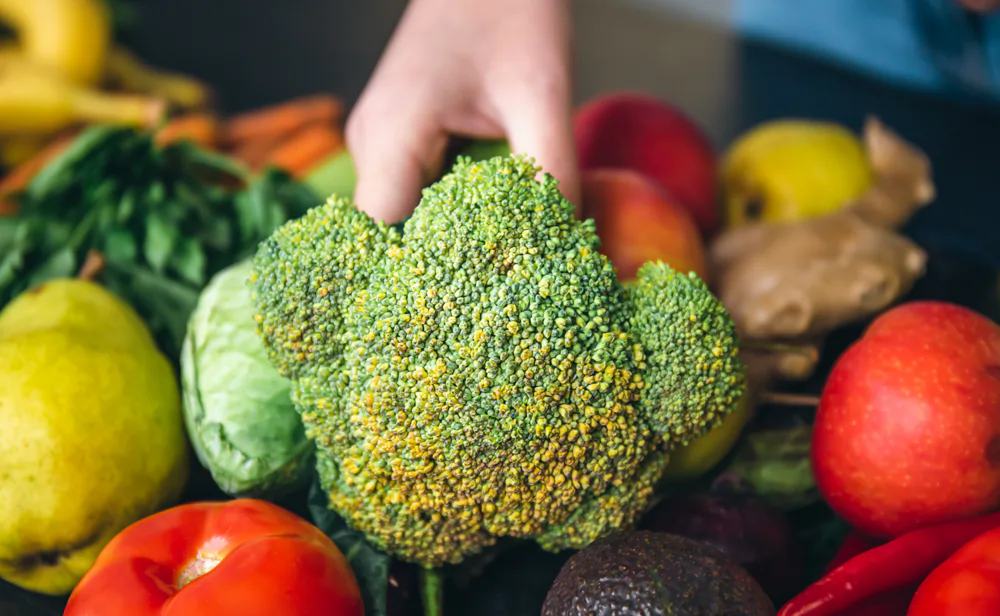
Vegetables
- Artichokes (1 med) 10g
- Broccoli (1 cup cooked) 5g
- Sweet potato (1 med) 4g
- Brussels sprouts (1 cup) 4g
- Peas (1/2 cup) 4g
- Corn (1 ear) 2g
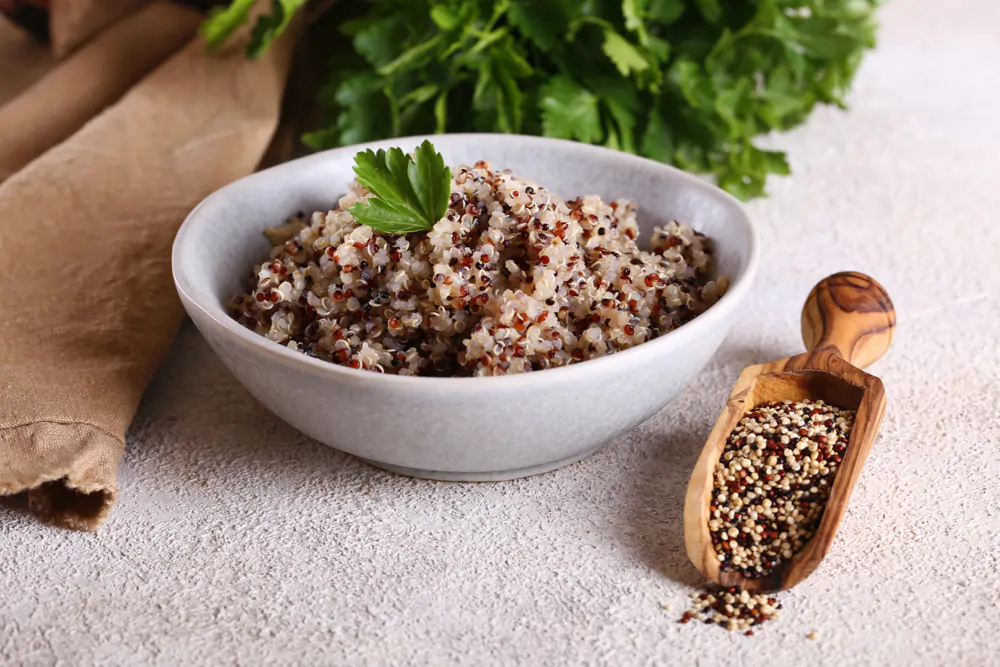
Whole Grains
- Quinoa (1 cup cooked) 5g
- Bulgur (1 cup cooked) 8g
- Oatmeal (1 cup cooked) 4g
- Brown rice (1 cup) 3.5g
- Whole wheat pasta (1 cup) 6g
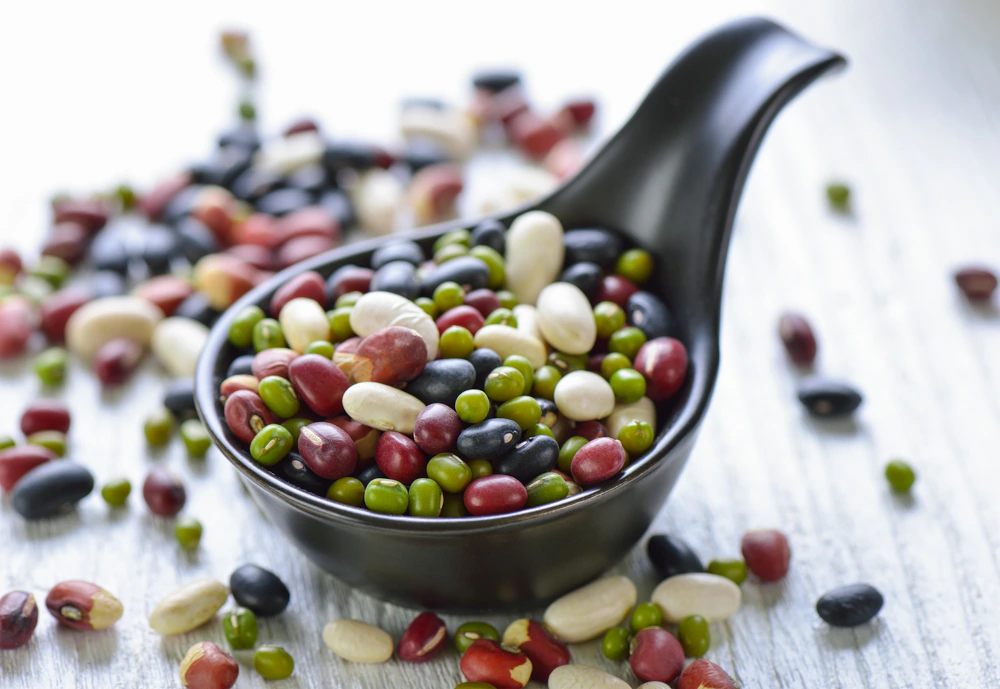
Legumes
- Lentils (1 cup cooked) 15.6g
- Black beans (1 cup) 15g
- Chickpeas (1 cup) 12g
- Kidney beans (1 cup) 13g
- Edamame (1/2 cup) 4g
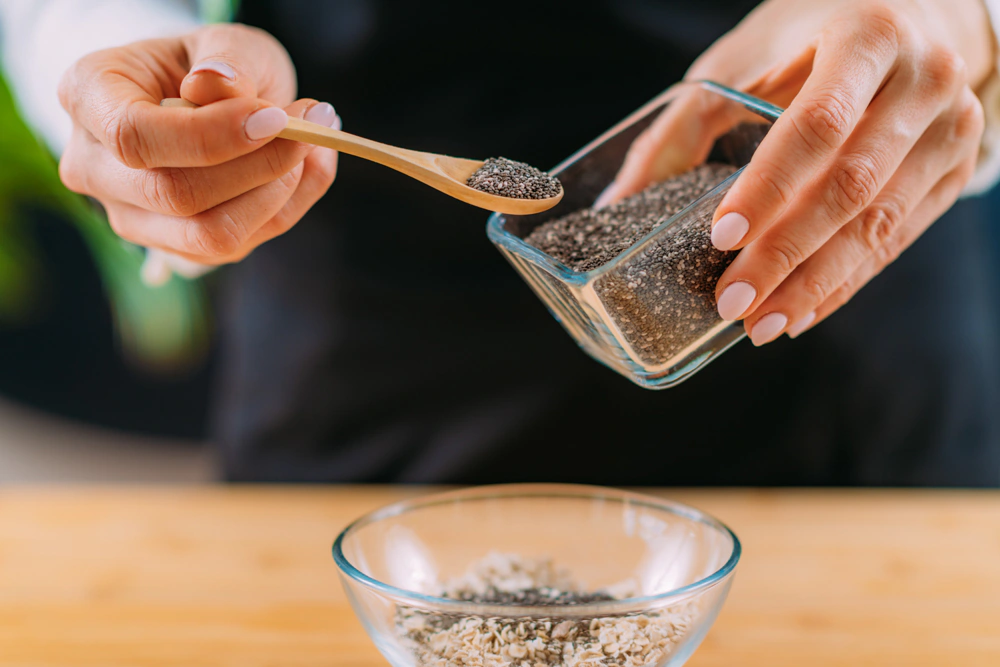
Nuts & Seeds
- Chia seeds (1 oz) 10g
- Flaxseeds (1 tbsp) 2.8g
- Almonds (1 oz) 3.5g
- Pistachios (1 oz) 2.9g
- Sunflower seeds (1 oz) 2.4g

III. High-Fiber Combos for Meals & Snacks
- Overnight oats with chia, berries & flax 12–15g
- Lentil soup with barley and veggies 15–18g
- Avocado toast on whole grain bread + tomato 9–11g
- Roasted chickpeas + apple slices 10g
- Smoothie with kale, banana, oats & psyllium 10–14g
Tip: Variety is everything. Different fibers have different benefits. Mix soluble, insoluble, and fermentable fibers.
Fiber Health Benefits Beyond Digestion
Aside from digestion, fiber has numerous health benefits for our bodies.
1. Cardiovascular Health
Soluble fiber reduces cholesterol and improves blood pressure and inflammation. In fact, numerous studies have found that eating 7g of Fiber a day can lower heart disease risk by 9%.
2. Blood Sugar Control: Hello Diabetics!
If you have diabetes (or know someone who does), you should note that fiber slows down sugar absorption. This leads to lower post-meal glucose spikes and improved insulin sensitivity.
Research also shows that high fiber intake is associated with a 20-30% reduction in type 2 diabetes risk.
3. Weight Management: Natural Appetite Regulator
Eating fiber helps you manage weight by triggering the hormones that make you feel full. Moreover, slower digestion (from fiber) reduces cravings and snacking.
You can reduce your calories by adding more fiber to your meals!

4. Preventing Cancer
We’ve mentioned how fiber prevents colectoral cancer.
5. Hormonal Balance
Fiber helps remove excess estrogen through stool. High-fiber diets also lower PMS symptoms.
6. Mental & Brain Health
Putting fiber in your gut enhances the production of mood-regulating hormones such as serotonin. It also improves systemic inflammation and improves mental clarity.
Fun fact: Your gut produces 90% of the serotonin in your body.

How Much Fiber Do You Actually Need?
According to the Dietary Guidelines for Americans, here are the recommendations:
Women (19–50 yrs) 25 grams/day
Women (51+ yrs) 21 grams/day
Men (19–50 yrs) 38 grams/day
Men (51+ yrs) 30 grams/day
Children (4–18 yrs) 19–31 grams/day (varies)
Pregnant Women 28 grams/day
Breastfeeding Women 29 grams/day
Fact: On average, most people eat only 15 grams/day, barely half the recommended amount.
Easy Ways to Increase Fiber Naturally
- Swap refined foods with whole foods
- Add beans to everything
- Leave the skins on: Apples, pears, cucumbers, potatoes
- Add seeds: Chia, flax, hemp in smoothies, oatmeal, yogurt
5. Double your veggies: Add extra greens to everything
6. Increase fiber gradually. Don’t go from 10 to 35g overnight. You’ll get bloated
Also, fiber needs a lot of water. As you increase fiber, also increase the water you drink to 8 gasses/day.
Common Questions about Fiber
I hope this fiber guide has been helpful. You can read more about carbs and healthy eating below.